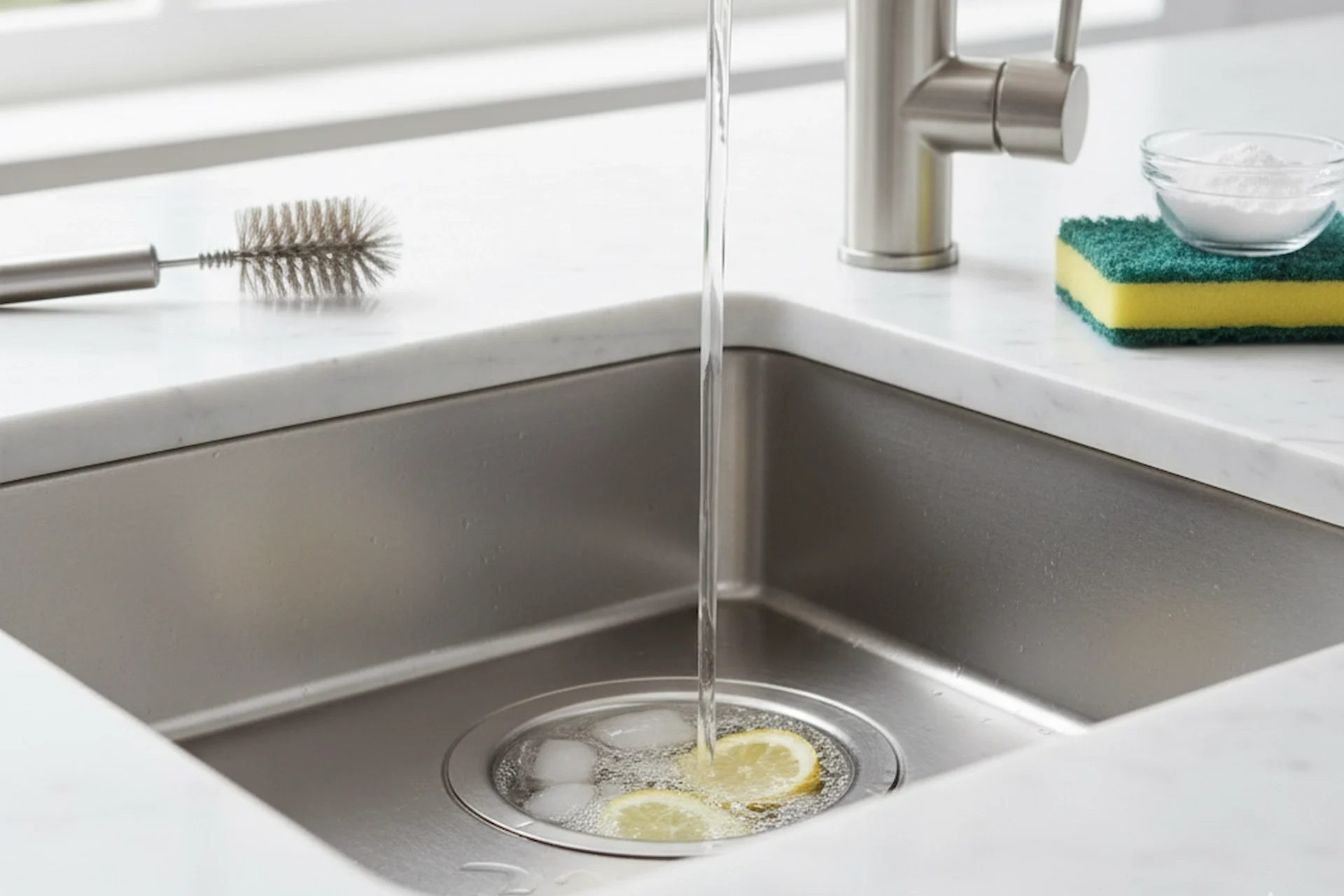
Question: What Is the Best Way to Clean Your Garbage Disposal?
Answer: The best way to clean your garbage disposal is to first grind ice cubes and coarse salt to scrub the blades. Then, add citrus peels to deodorize. For a deeper clean, pour baking soda and vinegar down the drain, let it fizz, and rinse with hot water.
Finding the Best Method to Clean Your Garbage Disposal
A garbage disposal is a powerful kitchen appliance. It streamlines meal cleanup and helps manage food waste efficiently. Over time, however, small food particles, grease, and other residues can accumulate inside the grinding chamber. This buildup often leads to unpleasant odours, slow drains, and potential clogs. A dirty disposal can also attract pests and shorten the operational life of the unit. Proper and regular cleaning is essential to prevent these common problems.
Many homeowners wonder what the best way to clean a garbage disposal is. The most effective approach is not a single trick but a consistent routine. It combines simple, daily maintenance habits with a more thorough deep cleaning process performed monthly. This strategy ensures your appliance remains fresh, functional, and free of blockages. This article will show you exactly how to care for your unit with clear, actionable steps for both light and deep cleaning tasks.
We will explore several proven techniques. You will learn how to use common household items like ice, citrus peels, baking soda, and vinegar to effectively clean and deodorize your disposal. We will also provide a crucial list of items you should never put down your drain to avoid damage and clogs. Following this advice will help you maintain a clean kitchen and a healthy plumbing system, ensuring your garbage disposal serves you well for many years.
Why You Must Clean Your Garbage Disposal Regularly
A clean garbage disposal performs better and has a longer lifespan. When food scraps remain inside the unit, they begin to decay. This decomposition process produces foul odours that can quickly spread throughout your kitchen. The dark, damp environment of the disposal is also an ideal breeding ground for bacteria and mould, posing a potential health concern. Regular cleaning eliminates the food source for these microorganisms and keeps your sink smelling fresh.
The buildup of food waste and grease affects more than just the smell. This sludge can harden over time, restricting water flow and causing your sink to drain slowly. If left unchecked, this can result in a complete clog that requires professional plumbing services to resolve. A severe clog can put a strain on the disposal’s motor, leading to overheating and mechanical failure. Simple, routine cleaning is a preventative measure that helps you avoid inconvenient and expensive repairs.
Cleaning also preserves the appliance’s mechanical parts. Food particles, especially acidic ones, can cause corrosion on the metal impellers and the grinding chamber. By regularly flushing out this debris, you protect the components from premature wear and tear. This ensures the disposal continues to grind food waste effectively. A little maintenance goes a long way in saving you from the cost and hassle of a full replacement.
Click here for more information on Toronto cabinet refacing
Related Article: Why Does My Garbage Disposal Stink Even After Cleaning?
Related Article: Do Ice Cubes Clean the Garbage Disposal?
How to Deep Clean Your Garbage Disposal
A monthly deep clean removes stubborn grime and kills odour-causing bacteria. This process targets the areas that daily cleaning methods might miss, like the underside of the splash guard. It is the definitive answer to the question of what is the best way to clean your garbage disposal for long-term health. Before you start, your safety is the top priority. You must disconnect the power to the appliance to prevent it from turning on accidentally.
Unplug the unit from the electrical outlet under the sink. If you cannot reach the plug, turn off the corresponding circuit breaker in your home’s electrical panel. This single step is crucial for preventing injury while you work. Once you confirm the power is off, you can proceed with the cleaning steps confidently and safely. This deep cleaning method uses simple household ingredients to achieve a powerful result.
-
Use Baking Soda and Vinegar
This classic pairing creates a powerful foaming action that cleans and deodorizes. Pour about half a cup of baking soda directly into the disposal drain. Next, slowly pour one cup of plain white vinegar on top of the baking soda. The mixture will immediately begin to fizz and bubble. This chemical reaction works to break down grease and dislodge trapped food particles. Place a sink stopper over the drain and let the solution work for at least 15 minutes.
-
Scrub the Splash Guard
The black rubber splash guard is a magnet for slime and food residue, making it a primary source of kitchen sink odours. While the baking soda and vinegar solution is working, clean this part thoroughly. Use a long-handled scrub brush with dish soap and warm water. Carefully lift each rubber flap and scrub both the top and underside. Pay close attention to the crevices where gunk tends to accumulate. Rinse the brush and the guard when you are finished.
-
Finish with a Hot Water Flush
After the foaming has stopped and you have cleaned the splash guard, the final step is to flush everything away. Boil a large pot or kettle of water. Remove the sink stopper and carefully pour the boiling water directly into the drain. The extremely hot water helps to melt any remaining greasy residue and wash all the loosened debris through your pipes. After the flush is complete, you can safely restore power to the garbage disposal.
Items to Avoid Putting in Your Garbage Disposal
Knowing what not to put in your garbage disposal is just as vital as knowing how to clean it. Processing the wrong materials can dull the blades, jam the motor, and create massive clogs in your plumbing. You can prevent most disposal problems by being selective about what you send down the drain. Treat your disposal as a tool designed for light, biodegradable food scraps, not as a substitute for your trash can. This careful habit will protect your investment.
Many common food items are surprisingly bad for your disposal. Being mindful during food preparation and cleanup will save you from the stress and expense of a broken appliance or a backed-up sink. Keep a small compost bin or use your garbage can for problematic food waste. Avoiding a few key categories of waste is the best form of preventative maintenance you can perform.
-
Grease, Fats, and Oils
You should never pour any kind of cooking grease, fat, or oil down your drain. These substances may be liquid when hot, but they solidify as they cool inside your pipes. This creates thick, sticky blockages that trap other debris and are very difficult to clear. This is one of the leading causes of plumbing clogs. Always scrape grease into a container and throw it in the trash once it cools.
-
Fibrous and Starchy Foods
Fibrous vegetables like celery, asparagus, onion skins, and corn husks have stringy fibres that can wrap around the disposal’s impellers and cause the motor to jam. Starchy items also pose a threat. Potato peels, pasta, rice, and bread expand in water, creating a thick, paste-like sludge that can quickly clog the drain. Dispose of these items in your compost or garbage bin instead.
-
Hard Materials
Your garbage disposal is not built to grind very hard objects. Materials like animal bones, fruit pits from peaches and avocados, and even coffee grounds can damage the appliance. Bones and pits can dull or break the grinding components. Coffee grounds do not wash away easily; they accumulate in pipes like wet sand and can cause stubborn clogs over time.
Maintaining a Clean and Efficient Garbage Disposal
The best way to clean your garbage disposal is through a consistent, two-part strategy. This approach combines quick, daily maintenance tasks with a more intensive deep cleaning session each month. Simple habits form the first line of defence. Regularly grinding ice cubes, using citrus peels to deodorize, and always flushing with cold water will prevent the daily accumulation of grime and food particles. These easy steps keep your kitchen sink fresh and your disposal ready for use.
The second part of the strategy is the monthly deep clean. Using a baking soda and vinegar solution effectively breaks down stubborn grease and sanitizes the grinding chamber. This process, along with taking the time to manually scrub the splash guard, removes the hidden sources of persistent odours. Following this deep clean with a boiling water flush ensures that all loosened debris is washed completely out of your plumbing system, preventing future clogs. This thorough cleaning restores your unit to its optimal condition.
Finally, proper usage is just as important as cleaning. By knowing which items to avoid, you protect your disposal from damage and prevent the most common causes of jams and blockages. Keeping grease, starchy foods, and hard materials out of the drain is critical. By adopting this complete maintenance and care routine, you ensure your garbage disposal operates smoothly and efficiently. This protects your appliance, your plumbing, and the overall cleanliness of your kitchen.

Blue Malue Get in touch with Blue here.