Question: Why Should a Kitchen Have More Than One Sink?
Answer: A kitchen should have more than one sink to boost efficiency and hygiene. A second sink creates separate zones for tasks like raw food prep and dishwashing. This improves workflow, especially for multiple cooks, and helps prevent cross-contamination, making the kitchen more functional and sanitary.
The Benefits of Multiple Kitchen Sinks
The kitchen is the functional centre of most homes. It supports daily meal preparation, family gatherings, and social events. Traditionally, kitchen design included one sink to handle all water-related tasks. This single basin served for washing dishes, preparing food, and cleaning hands. For many years, this design was the standard and worked well for simpler kitchen routines. However, modern lifestyles place greater demands on our kitchens. We cook more complex meals, entertain guests frequently, and prioritize food safety.
These new demands often create a bottleneck at the single kitchen sink. One person washing vegetables can block another from rinsing dishes. Cleaning up after handling raw chicken in the same basin used for fresh produce creates significant hygiene concerns. This raises an important question for homeowners and kitchen designers: Is one sink truly enough? The answer for many modern households is no. Adding a second, or even a third, sink is a practical solution that transforms kitchen functionality. This article explains exactly why a kitchen should have more than one sink, detailing the improvements in efficiency, hygiene, and convenience.
Boosting Workflow and Kitchen Efficiency
A single kitchen sink creates a constant traffic jam. All tasks, from rinsing produce to washing greasy pans, compete for the same small space. This slows down meal preparation and cleanup, especially when multiple people are in the kitchen. A second sink immediately resolves this issue by allowing you to create separate work zones. Kitchen designers often separate tasks into three main categories: preparation, cooking, and cleaning. Multiple sinks support this zoning strategy perfectly, leading to a smoother, more efficient workflow.
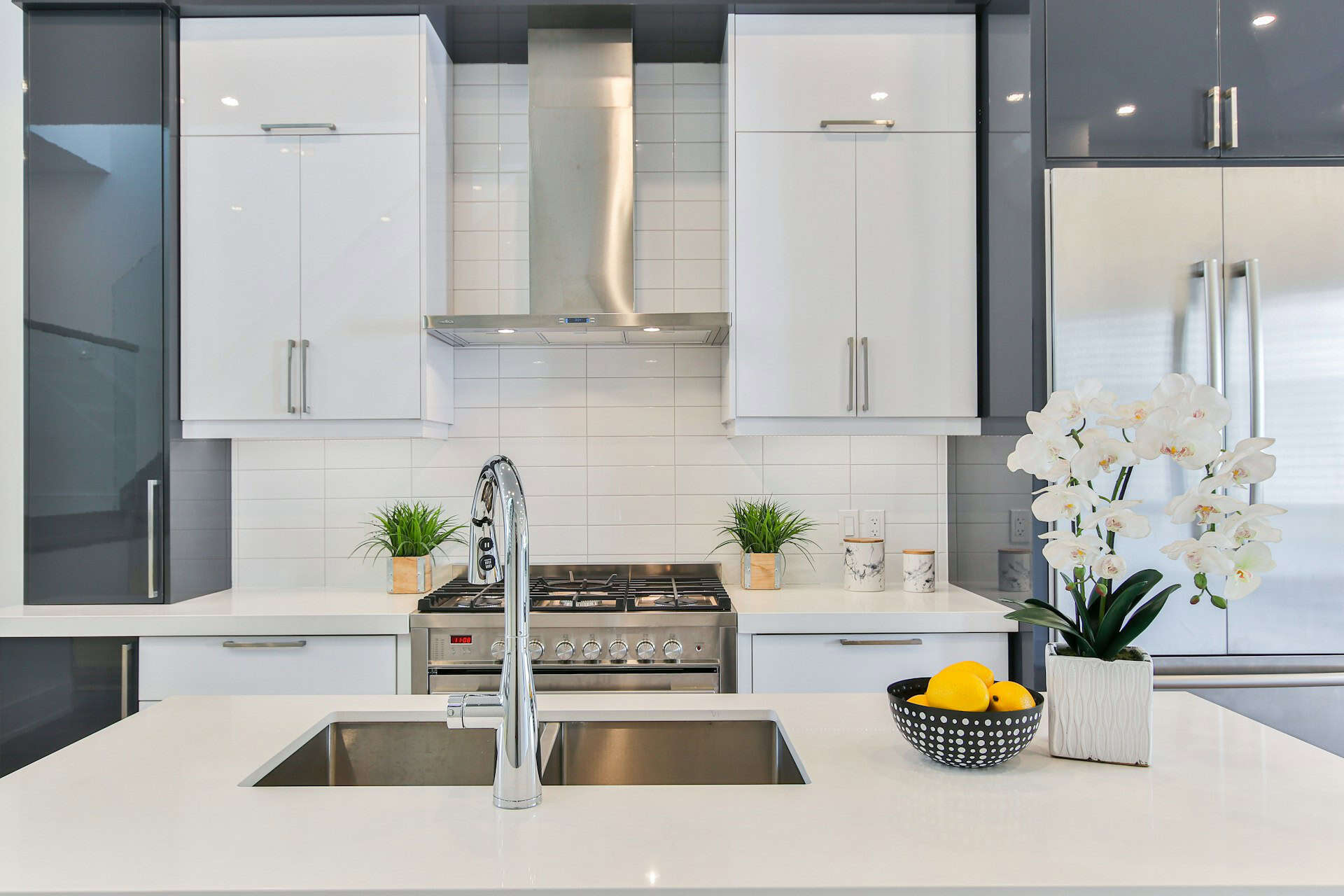
You can dedicate one sink entirely to food preparation. This prep sink, often located on a kitchen island, becomes the station for washing fruits, vegetables, and herbs. It is also the ideal place for thawing meat or filling pots with water. The main sink, usually located near the dishwasher, can then be reserved for cleanup tasks. Soiled dishes, pots, and pans stay contained in one area, away from the food preparation zone. This separation allows two or more people to work in the kitchen simultaneously without conflict. One person can wash dishes while another prepares a salad, doubling productivity and reducing stress during busy meal times.
Click here for more information on kitchen cabinet refacing near me Toronto
Related Article: Are Overmount Sinks Kitchen Outdated?
Related Article: Why Are Some Kitchen Sinks So Expensive?
Popular Types of Secondary Sinks
Adding a second sink offers many choices to suit different kitchen layouts and needs. Homeowners can select a sink type that best matches their cooking and entertaining style. Understanding the common options helps you make an informed decision for your kitchen renovation or new build. Each type serves a specific purpose, from food preparation to beverage service. Here are three popular types of secondary sinks.
-
Prep Sinks
A prep sink is a small to medium-sized basin dedicated to food preparation. Designers typically install these sinks on a kitchen island or a separate countertop section away from the main cleanup area. Their location near the refrigerator and primary cooking surfaces creates an efficient path for preparing ingredients. A prep sink is perfect for washing vegetables, trimming meat, rinsing pasta, or filling pots. Many models come with accessories like cutting boards and colanders to further streamline the cooking process.
-
Bar or Entertainment Sinks
A bar sink, also known as an entertainment sink, is a small, compact sink used for serving beverages. They are commonly found in a butler’s pantry, a home bar area, or a dedicated coffee station within the kitchen. This sink provides a convenient spot for rinsing glassware, washing hands, or mixing drinks. Its placement away from the main work triangle prevents guests from interfering with cooking activities. During parties, a bar sink can be filled with ice to chill bottles, freeing up valuable counter and refrigerator space.
-
Utility Sinks
A utility sink is a deep, large-capacity basin built for heavy-duty cleaning tasks. While often located in an adjacent laundry or mudroom, some large kitchens incorporate them directly. These sinks are made from durable materials like stainless steel or cast iron. A utility sink is ideal for washing oversized pots and pans that do not fit in a standard sink or dishwasher. It is also useful for tasks that are too messy for the main kitchen sink, such as arranging flowers, cleaning paintbrushes, or even bathing a small pet.
Design and Placement Considerations
Integrating a second sink requires thoughtful planning. The placement of each sink is critical to creating an ergonomic and efficient kitchen layout. The goal is to support the natural flow of kitchen activities. For example, a prep sink works best when it is located near the refrigerator and your main food preparation counter. This creates a compact work zone where you can take food out, rinse it, and chop it without walking across the entire kitchen. Easy access to compost or garbage disposal in the prep sink also simplifies cleanup.
The main cleanup sink should be positioned next to the dishwasher. This logical placement makes it easy to scrape and rinse dishes before loading them. You should also consider storage for dishes and cutlery nearby to make unloading the dishwasher quick and simple. A bar sink’s location should support entertaining. Place it near your beverage refrigerator or glassware cabinet to create a self-contained drink station for guests. Proper placement ensures that your multiple sinks enhance your kitchen’s workflow instead of complicating it. You also need to plan for additional plumbing, which is easiest to install during a major renovation or new construction.
Enhancing Entertainment and Hosting
Modern kitchens are often social hubs where guests gather during parties and family events. A single sink can quickly become overwhelmed when you are trying to cook and host at the same time. A secondary sink, particularly a bar or entertainment sink, greatly improves the hosting experience. It provides a separate area where guests can help themselves to drinks, rinse their glasses, or wash their hands. This keeps traffic away from the busy cooking and preparation zones, allowing the host to focus on the meal.
This dedicated beverage station prevents bottlenecks and makes guests feel more welcome and independent. A second sink can also double as a stylish ice bucket for chilling wine, champagne, or other beverages. This frees up counter space and keeps drinks easily accessible. With a separate sink for party-related tasks, the main sink remains available for essential cooking and cleanup duties. This functional separation reduces clutter and stress, making entertaining a much more organized and enjoyable experience for everyone.
A Practical Upgrade for the Modern Kitchen
The decision to add more than one sink to a kitchen is a direct response to the demands of contemporary life. A second sink is not just a luxury feature. It is a practical tool that solves common problems related to efficiency, hygiene, and convenience. By creating distinct work zones, a multiple-sink layout allows for a smoother, faster workflow. It enables several people to work together in the kitchen without obstruction, which is ideal for busy families or those who love to cook together. The improvement in food safety alone is a compelling reason to separate raw food prep from general cleanup.
A kitchen should have multiple sinks to support a safer and more functional environment. Whether you choose a dedicated prep sink on your island, a compact bar sink for entertaining, or a large utility sink for heavy tasks, the benefits are clear. This design choice transforms the kitchen from a one-person workspace into a versatile, multi-functional hub for the entire household. As you plan your next kitchen project, consider how a second sink could improve your daily routine and enhance your home.

Blue Malue Get in touch with Blue here.