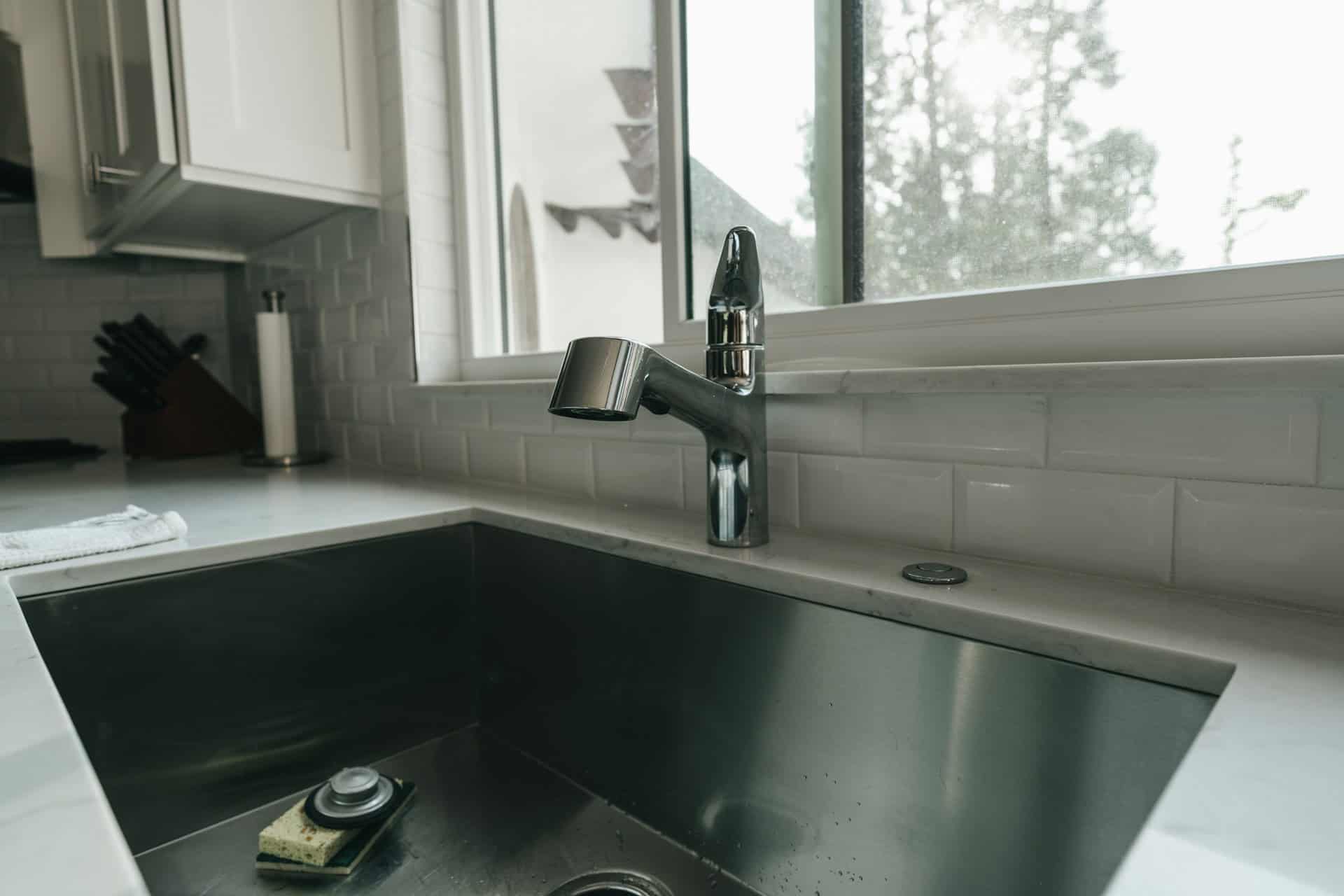
Question: Are Deeper Kitchen Sinks Always Better?
Answer: Deeper kitchen sinks are not always better. While they hide dishes and reduce splashing, very deep sinks (10+ inches) can cause back strain for some users. The ideal depth depends on your height and comfort, balancing capacity with ergonomics. Standard 8-9 inch depths are often best.
Is a Deeper Kitchen Sink the Right Choice for You?
Many homeowners today choose deep kitchen sinks for their modern appeal and perceived utility. These sinks, often nine inches or deeper, promise to hold large pots and hide dirty dishes from view. This feature seems like an obvious upgrade from older, shallower models. The trend in kitchen design often showcases these expansive basins as a must-have element for a functional and stylish space. People see them in showrooms and on renovation shows, and they quickly become part of their dream kitchen plan. The idea of easily washing a large roasting pan without splashing water everywhere is very appealing.
However, the question remains: are deeper kitchen sinks always better? The answer is not a simple yes or no. While a deep sink offers clear advantages for some tasks, it also presents significant drawbacks that can affect your comfort and the kitchen’s overall functionality. The ideal sink depth depends entirely on your personal habits, your physical height, and your kitchen’s layout. A sink that works perfectly for one family might cause daily frustration for another. Before you decide, it is important to look beyond the visual appeal and consider the practical realities of using a deep sink every day. This article explores the benefits, the challenges, and the key factors to help you make an informed decision.
The Advantages of a Deep Kitchen Sink
A deep kitchen sink provides several practical benefits that make it a popular choice in modern kitchens. Its primary advantage is its large capacity. A deeper basin contains splashes far more effectively than a shallow one. When you wash vegetables or fill a large pot, the high walls of the sink prevent water from spraying onto your countertops and floor. This keeps your kitchen cleaner and drier, reducing the time you spend wiping down surfaces after doing the dishes. The containment also helps protect surrounding wooden cabinetry from water damage over time.
The generous volume of a deep sink also offers unique solutions for managing kitchen tasks and maintaining a tidy space. We can explore these benefits in more detail.
-
Hides Dirty Dishes
A deep basin conveniently conceals a pile of dirty dishes. If guests arrive unexpectedly or you lack time to wash up immediately, the dishes remain out of sight. This helps your kitchen appear clean and uncluttered. It provides a temporary holding area that keeps countertops clear for other activities like meal preparation.
-
Accommodates Large Cookware
Washing oversized items becomes a simple task with a deep sink. Large stockpots, baking sheets, and roasting pans fit completely inside the basin. You can soak and scrub them without awkward maneuvering or splashing water all over the kitchen. This makes cleanup after large family meals or holiday cooking much more efficient.
-
Provides Versatile Soaking Space
The extra depth is perfect for soaking multiple items at once. You can leave tough, baked-on dishes to soak without them overflowing or taking up the entire sink. This functionality is also useful for tasks beyond dishwashing, such as hand-washing delicate garments or cleaning large produce like watermelons.
Click here for more information on Please visit
Related Article: How Long Do Kitchen Sinks Typically Last?
Related Article: Are Overmount Sinks Kitchen Outdated?
Standard Sink vs Deep Sink Dimensions
Understanding the actual measurements helps clarify the choice between a standard and a deep sink. Kitchen sink depth is measured from the top of the rim to the bottom of the basin, near the drain. Standard kitchen sinks typically have a depth of about eight inches. For decades, this dimension was the industry norm because it offered a good balance between capacity and comfortable use for most people. An eight-inch sink is deep enough to soak a few dinner plates and some cutlery without requiring you to bend over excessively.
Deep sinks are generally defined as any sink with a depth of nine inches or more. Most models marketed as “deep” today are 10 inches deep, with some options going as far as 12 inches. While a difference of two inches may not sound like much, it has a major impact on both the sink’s volume and its ergonomics. A 10-inch-deep sink holds significantly more than an 8-inch one, making it better for containing large pots. However, those two extra inches also mean you must reach further down, which can be the tipping point between comfort and back strain for many users. Choosing the right depth is about finding the sweet spot for your body and your tasks.
How to Choose the Right Sink Depth for Your Kitchen
Selecting the ideal sink depth requires you to assess your personal needs and your kitchen environment. A thoughtful evaluation will ensure you choose a sink that enhances your daily routine instead of hindering it. Your physical comfort should be the top priority. A stylish sink is a poor investment if it causes you daily pain. Before you commit, take the time to analyze how you and your family will interact with this central kitchen feature. This involves considering your body, your habits, and your physical space.
Making the right choice involves more than just looking at pictures online. You need to consider how the sink will perform in your real-life scenarios.
-
Consider Your Height and Posture
Your height is a critical factor. If you are tall, a deep sink will likely force you to stoop uncomfortably. If you are shorter, you may struggle to reach the bottom of the basin. The best way to test this is to visit a kitchen showroom. Stand in front of sinks with different depths and simulate washing dishes. Pay attention to how much you have to bend and whether you feel any strain in your back or neck.
-
Evaluate Your Cooking and Cleaning Habits
Think honestly about how you use your kitchen sink. Do you frequently hand-wash large pots and pans? Or do you rely heavily on a dishwasher and use the sink mainly for rinsing? If you often let dishes pile up, a deep sink can help conceal the mess. If you wash dishes as you go, a standard-depth sink may be more comfortable and efficient for quick tasks.
-
Measure Your Under-Sink Cabinet
Practicality extends below the counter. Before you buy a deep sink, measure the interior height of your sink base cabinet. Remember to account for the plumbing, a garbage disposal, and any other under-sink components. Ensure there is enough clearance for the deeper basin while still leaving adequate room for your essential storage needs.
Accessories That Improve Sink Functionality
If you love the benefits of a deep sink but worry about the ergonomic drawbacks, accessories can offer a perfect compromise. These tools modify the sink’s working area, bringing tasks closer to you and improving overall usability. A well-chosen accessory can transform a deep basin from a potential source of back strain into a highly efficient and comfortable workspace. They bridge the gap between a sink’s large capacity and your need for an accessible work surface. These additions allow you to enjoy the best of both worlds: ample space when you need it and an elevated platform for daily tasks.
Many modern sinks are designed as workstations with these accessories in mind. Even if yours is not, many universal products are available to enhance its function.
-
Sink Grids and Bottom Racks
A stainless steel sink grid is one of the most valuable accessories for a deep basin. This rack sits on small feet at the bottom of the sink, raising the working surface by about an inch. This seemingly small lift significantly reduces how far you need to bend. It also protects the sink’s finish from scratches and allows water to drain freely, so dishes do not sit in dirty water.
-
Workstation Sinks
Workstation sinks are an innovative solution. They feature a built-in ledge or track around the inside rim. This ledge supports custom-fit accessories like a cutting board, a colander, or a roll-up drying rack. You can slide these components along the track, effectively creating a multi-level workspace directly over the sink. This design lets you chop vegetables, rinse pasta, and dry dishes at a comfortable counter height.
-
High-Arc and Pull-Down Faucets
The right faucet is crucial for a deep sink. A high-arc faucet provides ample clearance for filling tall pots. A model with a pull-down sprayer is even better. The flexible hose allows you to direct the water flow precisely, making it easy to rinse all four corners of a large, deep basin without having to reach and strain.
Conclusion
After weighing the evidence, it is clear that deeper kitchen sinks are not universally better for everyone. Their suitability is highly personal. A deep sink is an excellent choice for certain lifestyles. If you are an avid home cook who frequently washes large stockpots, baking sheets, and other bulky cookware by hand, the extra capacity is a significant advantage. It allows you to contain splashes and manage big cleanup jobs with ease. Similarly, for large families or those who tend to let dishes accumulate, a deep basin helps keep the kitchen looking tidy by hiding the mess from immediate view. For these users, the benefits of capacity and containment often outweigh any potential downsides.
However, for other individuals, a deep sink can be a source of daily discomfort and inconvenience. If you or someone in your household is particularly tall, the ergonomics of a deep sink can lead to chronic back and neck strain from leaning over. Shorter individuals may find it difficult to reach the bottom of the sink to clean it properly. Furthermore, the loss of under-sink cabinet space is a real concern in smaller kitchens where every inch of storage counts. In these cases, a standard-depth sink of eight inches offers a more comfortable and practical solution. Ultimately, the “better” sink is the one that fits your body, your habits, and your kitchen design. The answer to “Are deeper kitchen sinks always better?” is a firm no. The best choice is one that balances your desire for capacity with your need for long-term comfort and functionality.

Blue Malue Get in touch with Blue here.