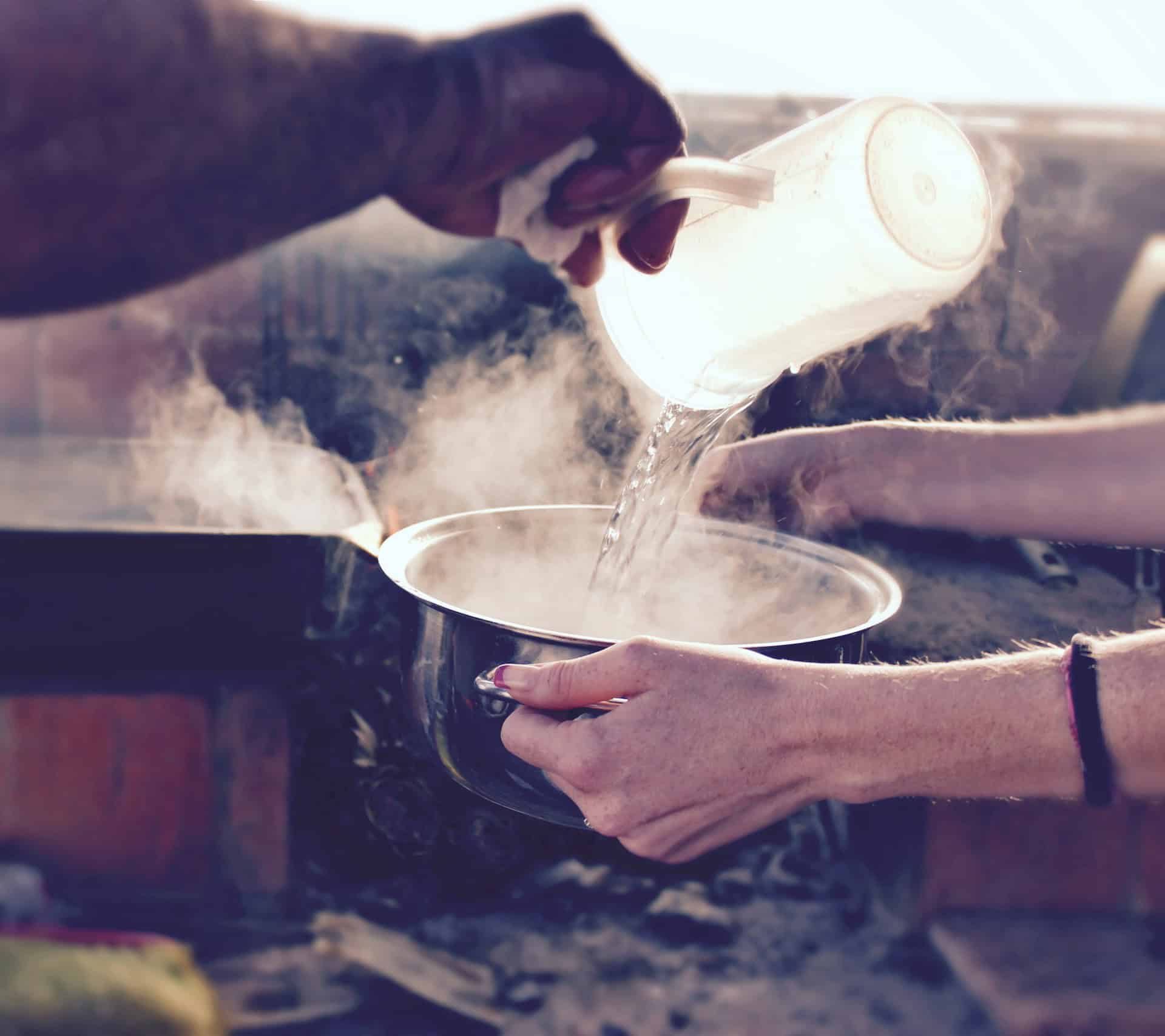
Question: Is It Safe to Pour Boiling Water Down a Garbage Disposal?
Answer: It is not recommended to pour boiling water down a garbage disposal. While it can help dissolve grease and clean the unit, you should immediately follow it with cold water. This flushes away the liquefied grease and prevents it from re-solidifying further down the pipes, which could cause a more serious clog.
Can You Safely Pour Boiling Water Into a Garbage Disposal?
Many homeowners wonder, “Is it safe to pour boiling water down a garbage disposal?” This question is common because people often seek a quick way to clear a slow drain or eliminate bad odours. The idea that hot water melts grease and washes away grime seems logical. However, the answer is not a simple yes or no. The safety of this action depends heavily on your plumbing system and the garbage disposal unit itself. While boiling water might offer a temporary fix, it can also create significant long-term problems.
Pouring boiling water down your drain can harm both the disposal unit and the pipes connected to it. The extreme heat can damage plastic components, warp pipes, and loosen critical seals. It can also worsen grease clogs by moving them deeper into your plumbing system. Understanding these risks is essential before you pour that kettle of hot water into your kitchen sink. This article explains how boiling water affects your disposal and pipes. We will also provide safer, more effective methods for keeping your garbage disposal clean and clear.
How Boiling Water Affects Your Garbage Disposal Unit
Your garbage disposal is a powerful appliance, but it is not indestructible. The unit contains several components that are vulnerable to high temperatures. Inside the disposal, you will find rubber seals, gaskets, and plastic parts that create a watertight barrier. Boiling water, which is 100°C (212°F), can cause these materials to soften, melt, or become brittle over time. This damage compromises the seals, leading to leaks under your sink. A slow leak can go unnoticed for weeks, causing water damage, mould growth, and costly repairs to your cabinetry.
The intense heat can also affect the internal workings of the disposal. Some units have plastic housings or internal components that can warp when exposed to boiling water. This warping can misalign the grinding chamber’s parts, causing the unit to operate inefficiently or fail completely. While some high-end garbage disposals may use more heat-resistant materials, most standard models are not designed to handle frequent exposure to such extreme temperatures. Regular use of boiling water accelerates wear and tear, shortening the lifespan of your appliance and leading to premature replacement.
Click here for more information on a kitchen cabinet refinishing service
Related Article: Should You Always Run Water When Using a Garbage Disposal?
Related Article: Is It Better to Throw Food Away or Use a Garbage Disposal?
The Myth of Boiling Water and Grease Clogs
A primary reason people use boiling water is to clear grease clogs. Many believe that the hot water will melt the greasy buildup and flush it out of the system. This belief is a common plumbing myth. While boiling water does temporarily liquefy fats, oils, and grease, it does not eliminate the problem. Instead, it often makes the situation worse. As the hot, greasy water travels down your pipes, it begins to cool. Once it cools, the grease re-solidifies and sticks to the inside of the pipes, usually further down the line than the original clog.
This process creates a new blockage deep within your plumbing system. These deeper clogs are much harder to reach and remove than clogs located near the sink drain. A simple clog you tried to fix with hot water can quickly turn into a major plumbing issue that requires a professional plumber and specialized equipment, like a mechanical drain auger, to resolve. You essentially move the problem instead of solving it. This makes pouring boiling water down a garbage disposal a counterproductive strategy for managing grease in your drains.
Safe Alternatives for Cleaning Your Garbage Disposal
You can maintain a clean and fresh-smelling garbage disposal without using boiling water. These safe and effective methods protect your disposal and your pipes from damage. They use simple household items to clean the unit, sharpen the blades, and neutralize odours. Incorporate these techniques into your regular cleaning routine to keep your disposal in excellent working condition.
Use Cold Water Consistently
Always run a strong flow of cold water when you use your garbage disposal and for about 30 seconds after you turn it off. Cold water helps keep fats and grease in a solid state. This allows the disposal’s blades to chop them into fine particles and flush them through the pipes more easily, preventing them from coating the inside of your drains.Clean with Ice Cubes and Citrus Peels
For a simple cleaning, fill the disposal with a handful of ice cubes, then turn it on with cold water running. The ice acts as a gentle abrasive, scrubbing the grinding chamber and sharpening the blades. To deodorize the unit, grind up peels from lemons, limes, or oranges. The citrus oils naturally clean the disposal and leave behind a fresh, pleasant scent.Try Baking Soda and Vinegar
This combination provides a deep clean and neutralizes tough odours.- Pour about half a cup of baking soda into the disposal.
- Follow it with one cup of white vinegar. The mixture will fizz and bubble.
- Place a stopper over the drain opening and let the mixture sit for 10 to 15 minutes.
- Remove the stopper and flush the disposal thoroughly with cold water for at least one minute.
When to Call a Professional Plumber
While DIY cleaning methods are effective for routine maintenance, some issues require professional expertise. Knowing when to call a plumber can save you from causing more damage and incurring higher costs. If you notice persistent problems despite your cleaning efforts, it is time to seek professional help. A licensed plumber has the tools and knowledge to diagnose and fix underlying issues safely and efficiently. Do not ignore warning signs, as they often indicate a more serious problem within your plumbing system.
You should contact a professional plumber if you experience any of the following situations. If your garbage disposal repeatedly clogs or your sink drains very slowly, there may be a significant blockage deep in the pipes. Persistent, foul odours that do not disappear after cleaning could signal trapped, decaying food or a problem with your drain vent. If the disposal makes a loud humming or grinding noise but does not operate, it may be jammed or have a motor issue. Finally, any sign of water leaking from the bottom of the disposal unit requires immediate attention to prevent water damage.
Conclusion
The verdict is clear: it is not recommended to pour boiling water down your garbage disposal. The potential for damage far outweighs any short-term benefits. While the immediate effect might seem positive, you risk causing serious harm to your disposal unit’s delicate components, such as rubber seals and plastic parts. The extreme heat can lead to leaks, premature wear, and eventual appliance failure. The risk is even greater for your plumbing, especially if you have modern PVC pipes that can soften, warp, and leak when exposed to boiling temperatures.
Instead of relying on this risky quick fix, adopt safer and more effective maintenance habits. Regularly running cold water, cleaning with ice cubes, and using a baking soda and vinegar solution will keep your garbage disposal clean, fresh, and functioning properly. These methods address the root causes of clogs and odours without endangering your plumbing infrastructure. By choosing these proven alternatives, you protect your investment and ensure the long-term health of your kitchen’s drainage system. Prioritizing proper care prevents costly repairs and keeps your home running smoothly.

Blue Malue Get in touch with Blue here.