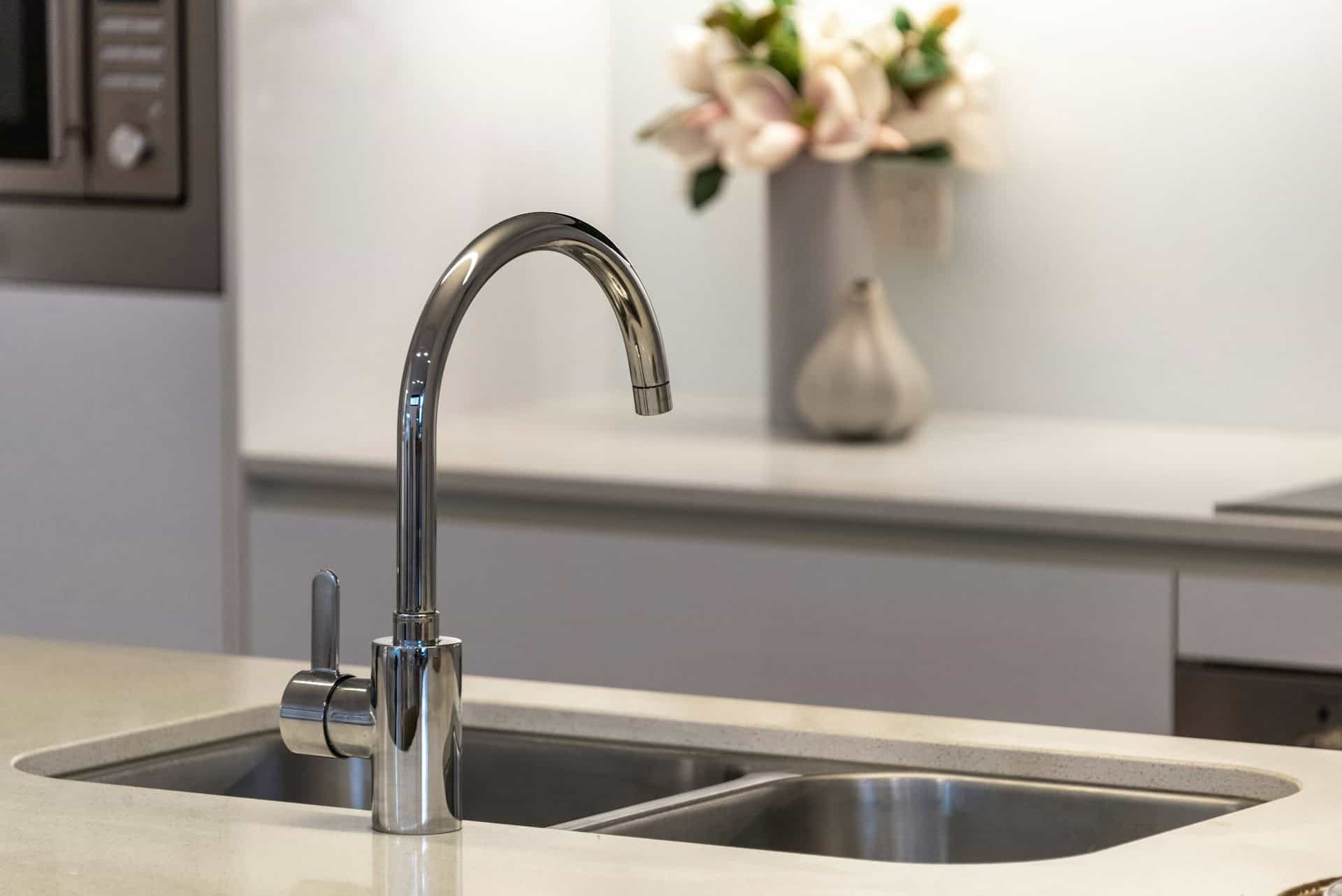
Question: What Are the Disadvantages of a Double Kitchen Sink?
Answer: Disadvantages of a double kitchen sink include that each basin is smaller, making it difficult to wash large pots, pans, and baking sheets. The central divider also consumes valuable space, limiting your ability to soak or maneuver bigger items.
Drawbacks of a Double Bowl Kitchen Sink
The double bowl kitchen sink has been a standard in homes for decades. Many people appreciate its design for separating tasks like washing and rinsing dishes. You can soak pots on one side while preparing vegetables on the other. This perceived functionality makes it a popular choice for many kitchen designs. People often assume a double sink provides superior organization and efficiency during daily kitchen chores. The familiar split design seems to offer a clear system for managing dirty and clean items, which appeals to those who value order in their workspace.
Despite its long-standing popularity, it is important to understand the disadvantages of a double kitchen sink. Modern cooking and cleaning habits have changed, and the limitations of this traditional design are becoming more apparent. A double sink can introduce several challenges that a large single basin sink avoids. These drawbacks include restricted space for large items, a reduction in valuable counter space, and more complex installation. Examining these issues helps you make an informed decision that truly fits your kitchen workflow and lifestyle. This article explores the specific problems you might encounter with a double bowl sink.
Reduced Basin Size Restricts Large Cookware
The most common complaint about double kitchen sinks is the limited size of each basin. The central divider, while intended for separation, effectively cuts your usable sink space in half. This creates two smaller compartments that are often too narrow or shallow to accommodate large kitchen items. Washing bulky pots, wide frying pans, and standard baking sheets becomes a difficult task. You may find yourself struggling to angle a large roasting pan under the faucet, which often leads to splashing water all over your counters and floor. This constant maneuvering makes a simple cleaning job feel awkward and inefficient.
This limitation directly impacts the way you clean your most-used cookware. Instead of a quick and easy wash, you face a puzzle of fitting oversized items into a small space. This issue is particularly frustrating after cooking a large meal. A large single basin sink eliminates this problem entirely by providing an open, uninterrupted area. Many homeowners find that the inability to easily soak or wash certain items is a significant daily inconvenience. Consider the types of cookware you use regularly.
Baking Sheets and Cookie Trays
These items rarely fit flat within either basin, making them impossible to soak and difficult to scrub effectively.Large Stockpots and Dutch Ovens
Washing a tall stockpot becomes a challenge, as you can only clean one section at a time without being able to submerge it.Cutting Boards and Roasting Pans
Wide items like cutting boards and pans must be held at a steep angle, which complicates the cleaning process and causes water to spill.
Please visit this page to read more about Blue Kitchen Refacing
Related Article: What Are the Disadvantages of Stainless Steel Kitchen Sinks?
Related Article: What Are the Disadvantages of a Single Bowl Kitchen Sink?
Increased Plumbing Complexity and Costs
A double kitchen sink naturally requires a more complex plumbing setup than a single basin model. Instead of one drain, you have two, which must connect and feed into a single main drain pipe under the cabinet. This configuration involves additional pipes, fittings, and connection points. Each extra joint in the plumbing system represents another potential point for a leak to develop over time. The increased complexity can make the initial installation more difficult and time-consuming, which often translates to higher labour costs from a professional plumber.
This complexity also extends to repairs and accessory installation. If a clog occurs, it can be harder to diagnose whether the blockage is in one of the individual drains or at the point where they converge. Installing a garbage disposal also presents a choice: place it on one side, limiting its convenience, or install a more specialized and expensive unit that services both drains. The under-sink area becomes more crowded with pipes, leaving less room for storage of cleaning supplies or a waste bin. The long-term maintenance and initial expense are definite disadvantages to consider.
Cleaning and Maintenance Challenges
While it may seem counterintuitive, cleaning a double sink often requires more effort than cleaning a single large one. The central divider that separates the two basins creates additional surfaces, corners, and edges. These areas are prime spots for food particles, grease, and grime to accumulate. Cleaning the tight corner where the divider meets the sink base is particularly difficult and requires extra attention to prevent buildup. You essentially have two separate small sinks to scrub, plus the divider itself, which increases your total cleaning time.
The divider also creates an obstacle for wiping down the entire sink area in one smooth motion. Instead, you must clean around and over it. For sinks made of materials like stainless steel, this can mean more places for water spots and scratches to appear. The area around the faucet base, trapped between the backsplash and the divider, also becomes a hard-to-reach spot that collects debris. The simple, open design of a single basin sink offers fewer crevices for dirt to hide, making daily wipe-downs and deep cleans a much faster and more straightforward process.
Water Usage and Inefficient Soaking
A double basin sink can sometimes lead to less efficient water usage. When you need to wash just a few items, you still must fill one of the basins to a sufficient depth. Because each basin is small, you might use less water than filling a large single sink. However, the real issue arises with large items. Since large pots and pans do not fit properly for soaking, you are often forced to wash them under continuously running water. This method almost always uses more water than filling a basin and letting the item soak.
Furthermore, the common practice of filling one side for washing and the other for rinsing can also be inefficient. Many people find it simpler and more water-conscious to wash all items in a single basin of soapy water and then rinse them all at once under a brief stream of fresh water. The dual-basin setup can encourage using two full basins of water when it is not always necessary. A large single basin provides the flexibility to use a small amount of water for small jobs or to fill it completely for efficiently soaking the largest of your cookware, giving you more control over your water consumption.
Conclusion
After considering the disadvantages of a double kitchen sink, it becomes clear that this traditional choice may not be the best fit for every home. The key drawbacks, including the inability to wash large cookware, the loss of precious counter space, and the increased complexity of plumbing and cleaning, are significant factors. These issues can create daily frustrations that disrupt the flow and enjoyment of your kitchen. For many people, especially those who frequently cook with large pots, pans, and baking sheets, the limitations of a divided basin outweigh the benefits of task separation.
Choosing the right sink depends on a careful evaluation of your personal habits and kitchen layout. Ask yourself how you truly use your sink. Do you need to soak large items regularly? Is your counter space limited? Are you willing to manage the extra cleaning required by a divider? For many modern households, a large, deep single basin sink offers superior functionality and flexibility. It accommodates all types of cookware with ease and simplifies the cleaning process. By weighing these disadvantages, you can select a kitchen sink that genuinely supports your needs and enhances your daily routine.

Blue Malue Get in touch with Blue here.