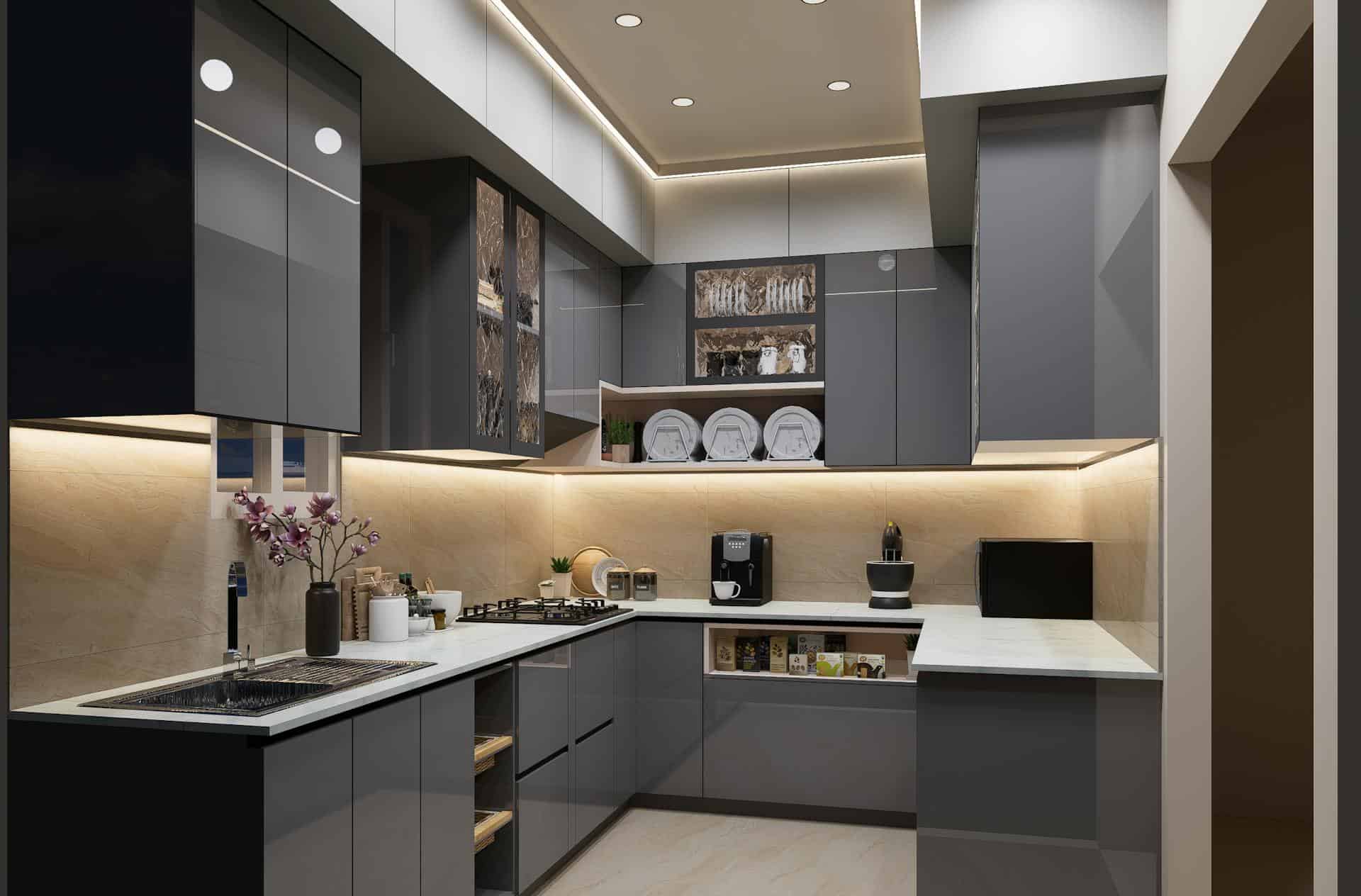
Question: Is a Hidden Pantry Possible in a Small Kitchen Footprint?
Answer: Yes, a hidden pantry is possible in a small kitchen with integrated solutions. A full-height cabinet with doors matching the surrounding cupboards, a slim pull-out pantry, or a shallow unit recessed into a wall all provide concealed storage without sacrificing significant floor space.
Can You Create a Hidden Pantry in a Small Kitchen?
Many homeowners believe a dedicated pantry is a luxury reserved for large kitchens. They see their limited space and assume that organised, ample storage is out of reach. This common belief often leads to cluttered countertops and overflowing cabinets, creating a stressful and inefficient cooking environment. The desire for a clean, streamlined kitchen remains, but the solution seems impossible within the existing kitchen’s small footprint. The good news is that a hidden pantry is entirely possible in a small kitchen footprint.
This clever storage solution does not require more floor space. Instead, it uses existing space more intelligently. By integrating storage seamlessly into your cabinetry, you can create a dedicated pantry that disappears from view. This approach maintains a clean aesthetic while providing the functional storage you need. You can store dry goods, spices, and small appliances without sacrificing valuable counter space or visual openness in your kitchen.
We will look at practical ways to incorporate a hidden pantry into your compact kitchen. We will examine different design options that maximize vertical space, utilize awkward corners, and transform standard cabinets into powerful storage hubs. You will learn how specific hardware and organisational strategies can make a small pantry feel spacious and accessible. The answer to the question “Is a ‘hidden’ pantry possible in a small kitchen footprint?” is a definitive yes, and the possibilities are both creative and surprisingly effective.
What Defines a Hidden Pantry?
A hidden pantry is an integrated storage area that blends seamlessly with your kitchen’s design. Unlike a traditional walk-in pantry, it does not occupy a separate room. Instead, it is built directly into your cabinetry or an underutilized nook. The “hidden” aspect comes from its concealed nature; pantry doors often look like regular cabinet fronts or decorative panels. When closed, the pantry is completely invisible, contributing to a minimalist and uncluttered appearance. This design philosophy is perfect for small spaces where visual simplicity makes the area feel larger.
The primary benefit of a hidden pantry in a small kitchen is its efficiency. It consolidates food storage into one organised zone, which simplifies meal preparation and grocery shopping. You know exactly where everything is, reducing time spent searching through various cupboards. This consolidation also frees up other cabinets for dishes, pots, and pans. By centralizing your food items, you create a more logical workflow. This efficient use of space is critical when every square centimetre counts, transforming a cramped kitchen into a functional and enjoyable workspace.
Click here to read more about Blue Kitchen Refacing
Related Article: How Do Pull-Out Spice Racks Save Counter Space?
Related Article: How Can You Utilize the Dead Space Above Your Cabinets?
Organising Your Small Hidden Pantry for Maximum Efficiency
A well-designed hidden pantry is only as good as its organisational system. In a compact space, strategic organisation is essential to prevent clutter and maximize usability. The goal is to make every item visible and easily accessible. A smart system helps you see your inventory at a glance, which prevents you from buying duplicate items and reduces food waste. It also makes cooking more enjoyable when you can find what you need quickly and without fuss. Thoughtful organisation turns a small storage space into a highly efficient part of your kitchen workflow.
You can use several tools to achieve this level of organisation. Use clear, stackable containers for dry goods like pasta, flour, and grains. These containers keep food fresh and let you see quantities easily. Tiered shelf inserts are perfect for canned goods, allowing you to see the labels on every can, not just the ones in the front row. You can also install racks on the back of the pantry door to store spices, oils, and other small items. Vertical dividers are great for organising flat items like baking sheets and cutting boards, storing them on their side to save space.
Installing a Hidden Pantry
Planning is the most critical step before you install a hidden pantry. A successful installation depends on careful thought and preparation to ensure the final result is both functional and visually seamless. You need to consider the specific dimensions of your space, the materials that will blend with your existing kitchen, and whether you can complete the project yourself. Addressing these factors beforehand will help you avoid common pitfalls and ensure your new pantry meets your expectations for both form and function, truly answering “Is a ‘hidden’ pantry possible in a small kitchen footprint?” with a confident yes.
-
Measuring Your Space Accurately
Precision is non-negotiable. Before ordering any cabinets or hardware, you must measure the intended space multiple times. Measure the height, width, and depth, and check for any obstructions like light switches, outlets, or uneven walls. For pull-out units, you need to account for the clearance required for the mechanism to operate smoothly. Inaccurate measurements can lead to a pantry that does not fit or function correctly, so take your time with this crucial step.
-
Choosing the Right Materials and Hardware
For a pantry to be “hidden,” its exterior must match your existing cabinetry. Select door fronts, handles, and finishes that are identical to the rest of your kitchen. Internally, focus on durability. Pantry hardware, especially for pull-out and swing-out units, must support significant weight. Invest in high-quality runners, hinges, and shelving materials that will withstand daily use. The right materials ensure your pantry is not only concealed but also long-lasting.
-
DIY vs. Professional Installation
Deciding between a DIY project and hiring a professional depends on your skills and the complexity of the pantry design. A simple cabinet conversion might be a manageable weekend project for a handy homeowner. However, installing a complex pull-out system or a custom-built unit often requires professional expertise to ensure a perfect fit and flawless operation. A professional can also guarantee that the pantry integrates seamlessly, which is the entire point of a hidden design.
Conclusion
A small kitchen does not have to mean compromised storage or a cluttered environment. The answer to whether a hidden pantry is possible in a small kitchen footprint is a resounding yes. By embracing smart design, you can create a significant amount of storage that integrates beautifully into your existing layout. Solutions like slim pull-out units, full-height cabinet pantries, and innovative corner systems transform underused areas into highly functional storage zones. These options prove that with careful planning, you can achieve the organised, streamlined kitchen you desire.
Implementing a hidden pantry does more than just store your groceries. It elevates the entire kitchen experience. A hidden pantry reduces visual noise, which makes your small space feel larger and more calming. It also improves workflow, placing all your dry goods in one convenient, organised location. This upgrade enhances both the aesthetic appeal and the practical functionality of your kitchen. A hidden pantry is not just a storage feature; it is an intelligent design choice that maximizes the potential of your compact home, providing lasting value and daily convenience.

Blue Malue Get in touch with Blue here.