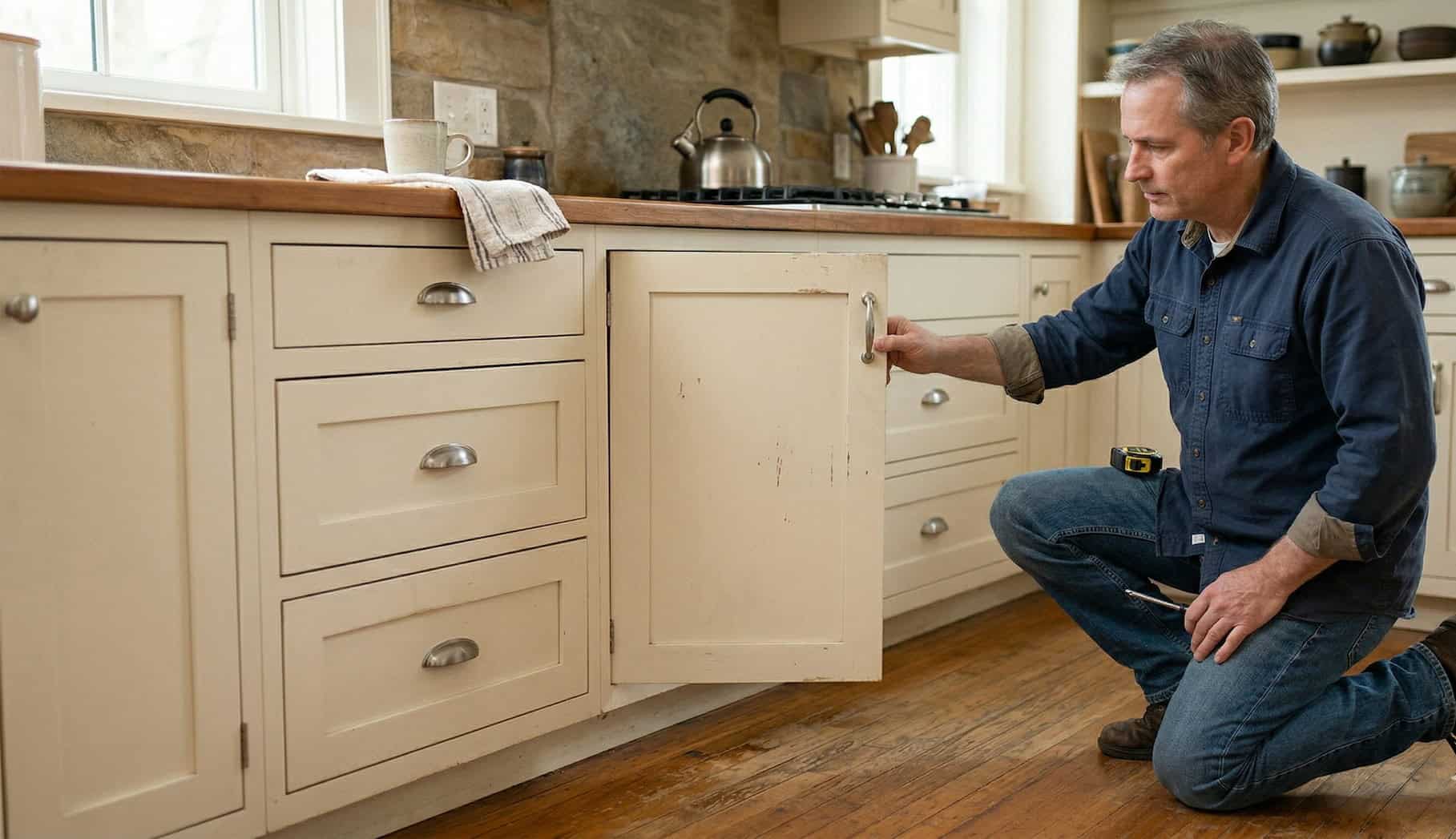
Question: Can You Replace Just One Cabinet Door If It Gets Damaged?
Answer: Yes, you can replace just one cabinet door if it gets damaged, but matching the style, color, and finish can be difficult, especially on older cabinets. Contact the original manufacturer or a custom cabinet maker. Check inside other doors or drawers for manufacturer information to help find an exact match.
Is It Possible to Replace a Single Damaged Cabinet Door?
A sudden slip, a dropped pan, or years of wear and tear can leave you with a damaged cabinet door in an otherwise perfect kitchen. The sight of that one crack, chip, or deep scratch can be frustrating, disrupting the clean lines of your cabinetry. But can you replace just one cabinet door if it gets damaged? The simple answer is yes, you absolutely can. However, the process involves more than just ordering a new door and screwing it into place. Achieving a seamless repair depends on several important factors.
Successfully replacing a single door requires careful planning and a bit of detective work. You need to identify the door’s original style, material, colour, and finish with precision. Even slight variations can make the new door stand out, defeating the purpose of the repair. The age of your cabinets also plays a significant role. Over time, sunlight and household use can subtly alter the colour and sheen of your cabinetry, making a brand-new door look noticeably different.
Assessing Your Existing Cabinets and the Damage
Before you begin searching for a replacement, you must thoroughly evaluate your current situation. Start with the damaged door itself. Is the damage cosmetic, like a surface scratch or peeling paint? Or is it structural, such as a cracked frame or a warped panel? Cosmetic issues might be repairable without a full replacement, saving you time and money. A structural problem, on the other hand, almost always requires a new door. Take clear photos of the damage from several angles to help you explain the issue to potential suppliers or cabinet makers.
Next, examine your remaining cabinets to gather essential information. You need to identify the door’s style, which could be a flat slab, a classic Shaker design, or a more ornate raised panel. Note the material as well. Are the doors solid wood, and if so, what kind? Common options include maple, oak, or cherry. They could also be made from a composite material like MDF with a thermofoil or painted finish. The more details you can gather about the original construction, the easier it will be to find an exact match for your single replacement door.
Click the link to learn more about Blue Kitchen Refacing
Related Article: When Is a Cabinet Too Far Gone to Be Saved by Refacing?
Related Article: Is It Possible to Tighten Stripped Screw Holes in Cabinet Frames?
Where to Source a Single Replacement Cabinet Door
Once you have all the necessary information about your door, you can begin searching for a supplier. Several avenues are available, each with its own benefits. Your first call should be to the original cabinet installer or manufacturer if you have that information. They have the most direct access to the original product and can tell you if the door style and finish are still in production. This is often the quickest and most accurate way to get a replacement that matches perfectly.
If the original source is unavailable, your next best option is a local custom cabinet maker. These skilled craftspeople can build a door to your exact specifications. You can provide them with an undamaged door from another cabinet to use as a template. They can replicate the style, wood species, and even the specific edge details. Most importantly, they can create a custom colour and finish to match the aged appearance of your existing cabinets. Another popular option is online replacement door companies. These businesses specialise in providing custom-sized doors in a wide variety of styles and finishes, often at a competitive price point. You will need to provide precise measurements and colour information to ensure you get what you need.
How to Measure Correctly for a New Cabinet Door
Accurate measurements are critical for ensuring your new cabinet door fits and functions properly. An error of even a few millimetres can result in an uneven gap or a door that does not close correctly. You will need a quality tape measure and a notepad to record the dimensions. Always measure the back of an existing, undamaged door of the same size for the most precise results. Do not measure the cabinet opening itself, as doors are typically sized slightly larger to create an overlay on the cabinet frame.
Follow these steps to ensure you capture all the necessary dimensions:
Measure the Height
Start by measuring the height of the door from the top edge to the bottom edge. Measure on both the left and right sides and use the larger number if they differ slightly.Measure the Width
Next, measure the width from the left edge to the right edge. Again, measure at both the top and bottom and use the larger of the two measurements.Record Hinge Positions
If you plan to reuse your existing hinges, you must know where they are located. Measure from the top of the door down to the centre of the top hinge cup. Then, measure from the top of the door down to the centre of the bottom hinge cup.Specify Hinge Boring
Many suppliers offer to pre-drill the large holes, or “bores,” for modern European-style hinges. You will need to specify the diameter of this hole and how far it is set back from the edge of the door, a measurement known as the “boring distance.”
Installing Your Cabinet New Door
Once your new, perfectly matched door arrives, the final step is installation. With a few basic tools, this is a task most homeowners can handle. You will need a screwdriver or a drill with a screwdriver bit that matches your hinge screws. Begin by opening the damaged door and locating the screws that attach the hinges to the cabinet frame. Carefully remove these screws while supporting the door’s weight to prevent it from falling. Once the door is detached from the cabinet, place it on a soft, protected surface and remove the hinges from the door itself.
Now, attach the old hinges to your new door, making sure they are oriented correctly. If your new door came pre-bored for the hinges, this step is straightforward. If not, you will need to carefully align the hinges using the old door as a guide before screwing them in place. With the hinges secured to the new door, it is time to mount it to the cabinet. This part is easier with a helper to hold the door in position while you re-insert the screws into the cabinet frame. Do not tighten the screws all the way at first. This allows you to make small adjustments to ensure the door hangs straight and has even gaps around its perimeter. Most modern hinges have adjustment screws that let you move the door up, down, left, or right for a perfect alignment.
Creative Alternatives to a Single Door Replacement
Sometimes, finding an exact match for a single cabinet door is simply not possible. Perhaps the company went out of business, the style is long discontinued, or the sun has faded the original colour beyond replication. When you face this situation, you do not have to live with the mismatched door. Instead, you can explore some creative alternatives that refresh your kitchen’s appearance while solving the problem of the damaged door. One popular solution is to turn the replacement into a deliberate design feature. For example, you could replace the solid door with one that has a glass insert, creating an attractive display cabinet for your favourite dishes.
Another excellent strategy involves paint. If you cannot match the original stain or finish, consider painting all of your cabinet doors a new colour. This creates a completely unified and updated look for a fraction of the cost of a full cabinet replacement. You could paint all the doors one colour or try a trendy two-tone look, with different colours for the upper and lower cabinets. If the damaged door is part of a pair, such as under the sink, consider replacing both doors. This contains the new look to one area, making any subtle differences in colour or style far less noticeable. Thinking creatively allows you to transform a frustrating problem into a stylish opportunity.
Conclusion
So, we return to our central question: can you replace just one cabinet door if it gets damaged? The answer is a confident yes. Replacing a single door is an effective and budget-friendly solution to repair minor damage and restore the look of your kitchen or bathroom. It prevents you from needing a complete and costly cabinet overhaul over a single flawed door. The key to a successful replacement lies in meticulous preparation. Taking the time to accurately identify your cabinet’s style, material, and colour is the most important step in the entire process. This initial homework will guide your search and dramatically increase your chances of finding a seamless match.
Remember to explore all your sourcing options, from the original manufacturer to local custom shops and online suppliers. Each offers a different path to getting the door you need. Precise measurements are non-negotiable, as they ensure the new door will fit perfectly into the existing space. While the goal is often an invisible repair, do not be discouraged if a perfect match proves elusive. Creative alternatives, like painting your cabinets or introducing a feature door with a glass panel, can solve the problem beautifully. Ultimately, a damaged cabinet door is not a disaster. It is a manageable issue with several practical and even stylish solutions available to you.

Blue Malue Get in touch with Blue here.