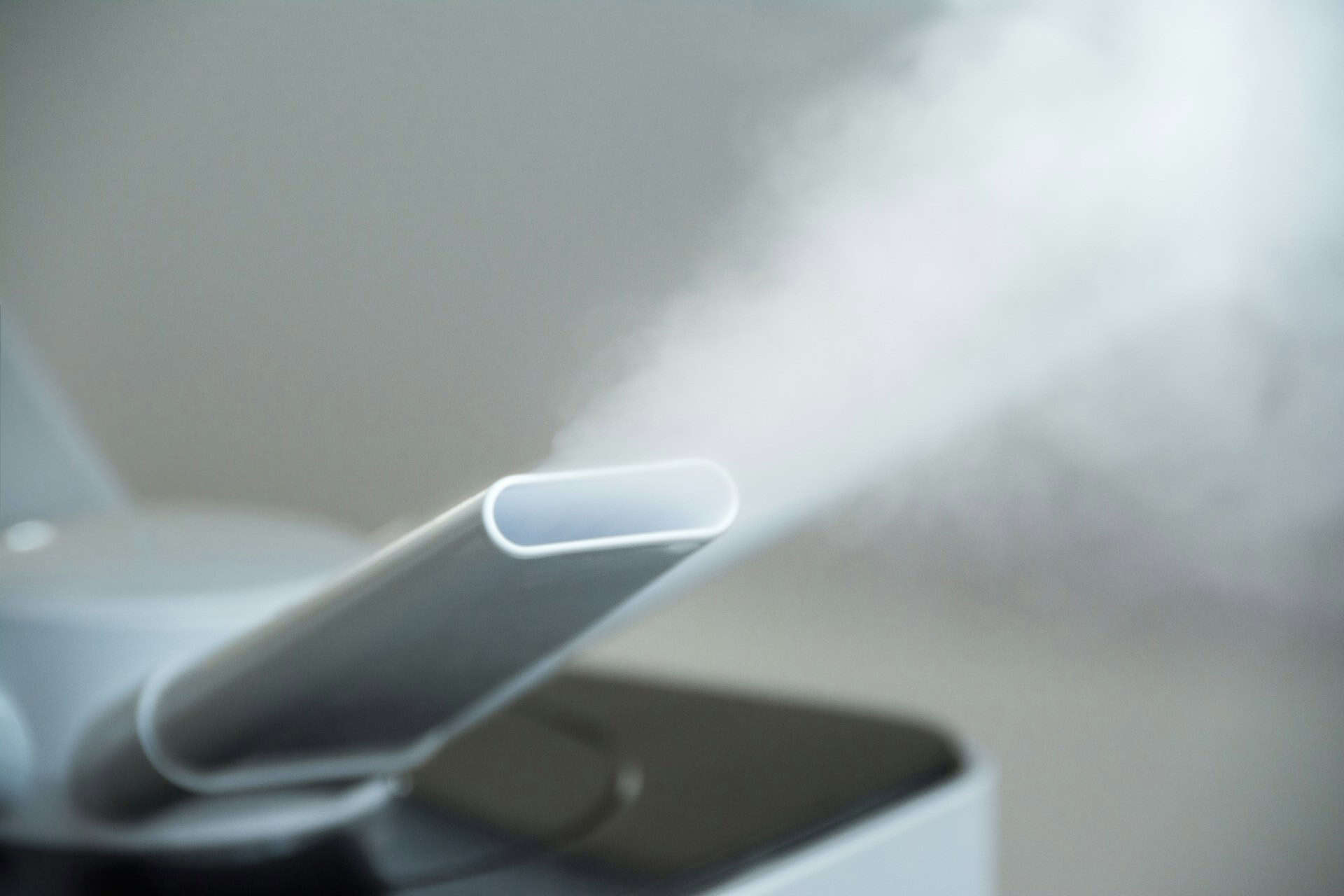
Question: Can Steam Cleaners Cause Cabinet Doors to Delaminate?
Answer: Yes, steam cleaners can cause cabinet doors to delaminate. The high heat and moisture from steam can weaken the adhesive that bonds laminate, veneer, or thermofoil to the cabinet’s core. This causes the layers to separate, bubble, or peel, resulting in permanent damage, especially on MDF or particleboard doors.
The Risks of Steam Cleaning Your Kitchen Cabinets
Many homeowners look for efficient ways to keep their kitchens sparkling clean. Steam cleaners present a powerful, chemical-free option for sanitizing floors, tiles, and countertops. This leads to a natural question about their use on other surfaces. You may think that if you can use that same powerful tool on your kitchen cabinets to cut through grease and grime. However, cabinets have a much more delicate construction than a ceramic tile floor. Their layered materials and adhesive bonds are sensitive to the very things that make steam cleaning so effective: high heat and penetrating moisture.
The core concern is delamination. This term describes the process where the outer layer of a cabinet door separates from its core material. This can look like bubbling, peeling, or lifting along the edges, and it is often irreversible damage. Kitchen cabinets represent a significant investment in your home, and protecting their integrity is vital for maintaining your property’s value and appearance. Before you aim a steam cleaner at your cabinetry, it is critical to understand the potential consequences. The intense conditions created by a steam cleaner can seriously compromise the glues that hold your cabinet doors together.
What Causes Cabinet Doors to Delaminate?
Delamination happens when the adhesive holding the layers of a cabinet door together fails. Most modern cabinet doors are not made from a single, solid piece of wood. Instead, they are composite products, engineered for stability and affordability. The core is typically made from Medium Density Fibreboard (MDF) or particleboard. A decorative, protective layer is then applied to the outside. This outer layer could be a thin sheet of real wood veneer, a layer of paint, or a vinyl film known as thermofoil. An industrial-strength adhesive is used to bond this outer layer to the core material under heat and pressure.
This manufacturing process creates a durable and attractive product, but it also creates a point of weakness. The adhesives used are strong, but they are not invincible. Their greatest enemies are excessive heat and prolonged exposure to moisture. High temperatures can soften the glue, weakening its bond and allowing the outer layer to lift or bubble. Moisture is equally destructive. If water seeps into the seams or edges of a cabinet door, it can cause the MDF or particleboard core to swell. This swelling physically pushes the outer layer away from the core, breaking the adhesive bond from within. This is why you often see damage on cabinets near sinks, dishwashers, or coffee makers.
Click here to learn more about Blue Kitchen Refacing
Related Article: How Do You Clean the Grime Out of Intricate Cabinet Door Crevices?
Related Article: How Often Should You Deep Clean Your Kitchen Cabinet Interiors?
How Pressurized Steam Dissolves Cabinet Adhesives
The combination of high-temperature steam and pressurized moisture is a direct threat to the adhesives and composite materials used in most modern cabinetry. Using a steam cleaner on your cabinets, even for a brief period, introduces a significant risk of causing permanent and expensive damage. The likelihood and severity of the damage depend on the type of cabinets you have, as some materials are far more susceptible than others. It is essential to identify your cabinet type before considering any aggressive cleaning method.
Different cabinet materials react to steam in different ways, but nearly all are at risk. Understanding these specific vulnerabilities can help clarify why steam cleaning is not a suitable choice for this part of your kitchen.
Thermofoil Cabinets
Thermofoil cabinets have a vinyl layer that is heat-fused onto an MDF core. They are extremely vulnerable to steam. The high heat from a steam cleaner can cause the vinyl to shrink, bubble, or peel away from the core material. The adhesive bond is easily compromised, leading to classic delamination that is almost impossible to repair satisfactorily.
Painted Cabinets
Painted cabinets, especially those with an MDF core, are also at high risk. The steam can force moisture through microscopic cracks in the paint, causing the underlying MDF to swell. This results in bubbling or cracking of the paint finish. The heat can also soften the paint itself, making it prone to smudging or damage, while weakening the bond between the paint, primer, and the cabinet core.
Wood Veneer Cabinets
Cabinets with a real wood veneer are also susceptible. The thin layer of wood is attached to a core substrate with glue. The heat from the steam can soften this glue, allowing the edges of the veneer to lift and peel. Furthermore, the moisture can seep into the wood grain and into the core material, causing both to swell and warp, permanently damaging the door’s flat surface and finish.
Solid Wood Cabinets
While solid wood cabinets do not have layers that can delaminate, they are still at risk from steam cleaning. The intense heat and moisture can damage the protective finish, such as lacquer or polyurethane, causing it to become cloudy, dull, or sticky. Extreme changes in temperature and humidity can also cause the solid wood itself to warp, crack, or split over time.
Recognizing the Early Signs of Cabinet Damage
The damage from steam cleaning might not always be dramatic or immediate. Sometimes, the negative effects accumulate over time with repeated cleanings, only becoming obvious once the problem is severe. Being able to spot the early warning signs can help you prevent further harm. The most common sign is visible lifting or peeling along the edges of the cabinet doors or drawer fronts. This is where the adhesive is most exposed and typically fails first. You might notice the corner of the thermofoil or veneer is slightly raised and can be flicked with a fingernail.
Another clear indicator is the appearance of bubbles or blisters on the flat surfaces of the door. This happens when the adhesive lets go in the middle of a panel, and the outer layer separates from the core. This is especially common with thermofoil and painted finishes. You should also look for changes in the texture or colour of the cabinet finish. A previously glossy surface might appear dull or cloudy after being exposed to steam. The colour might also seem faded or inconsistent. Finally, pay close attention to the integrity of the core material itself. Check for any swelling or softness, particularly along the bottom edges of doors where moisture tends to gather. If the material feels puffy or flakes away when touched, it is a sure sign of water damage.
Safer Methods for Cleaning Your Cabinet Doors
Protecting your kitchen cabinets does not mean you have to live with grease and grime. There are several effective and safe methods for cleaning them that do not involve the risks of steam. The most reliable approach is a simple solution of mild dish soap and warm water. Mix a few drops of soap into a small bucket of water to create a gentle cleaning solution. Use a soft microfibre cloth, dip it into the soapy water, and wring it out thoroughly until it is just damp, not dripping wet. Gently wipe down the cabinet surfaces to remove dirt and grease.
After wiping with the damp cloth, immediately follow up with a second, clean microfibre cloth to dry the surface completely. Never allow water to sit on the cabinet doors, especially near the edges or seams. For tougher, built-up grease, you can use a solution of equal parts white vinegar and warm water. The acidity of the vinegar is excellent for cutting through grease. Apply it in the same way, with a damp cloth, and always remember to wipe the surface dry afterward. For wood cabinets, you can also find specialized commercial wood cleaners that are formulated to clean and condition the wood without causing damage. Always test any new cleaning product on a small, inconspicuous area first to ensure it does not harm the finish.
Protect Your Cabinets by Avoiding Steam
While the power of a steam cleaner is tempting for achieving a deep clean, it is a tool that is poorly suited for the delicate construction of kitchen cabinet doors. The direct application of high-pressure heat and moisture creates a worst-case scenario for the adhesives and composite materials that hold most cabinets together. Answering the central question, “Can steam cleaners cause cabinet doors to delaminate?” is straightforward. The answer is a resounding yes. Using a steam cleaner on your cabinets is a significant gamble that can lead to irreversible damage like bubbling, peeling, and warping.
Protecting the significant financial investment you have made in your kitchen is paramount. Cabinetry defines the look and feel of the space, and maintaining its condition is key to preserving your home’s value. Delamination is not only unsightly but also extremely difficult and costly to repair, often requiring a full door replacement. Given these high stakes, the risk associated with steam cleaning simply is not worth the potential reward. Opting for safer, gentler cleaning methods is a much wiser course of action. A simple solution of mild soap and water, applied with a damp cloth and dried immediately, is effective for routine cleaning. For tougher jobs, a vinegar solution can cut through grease without compromising the cabinet’s integrity. By sticking to these proven techniques, you can keep your cabinets looking beautiful for many years without the danger of causing permanent damage.

Blue Malue Get in touch with Blue here.