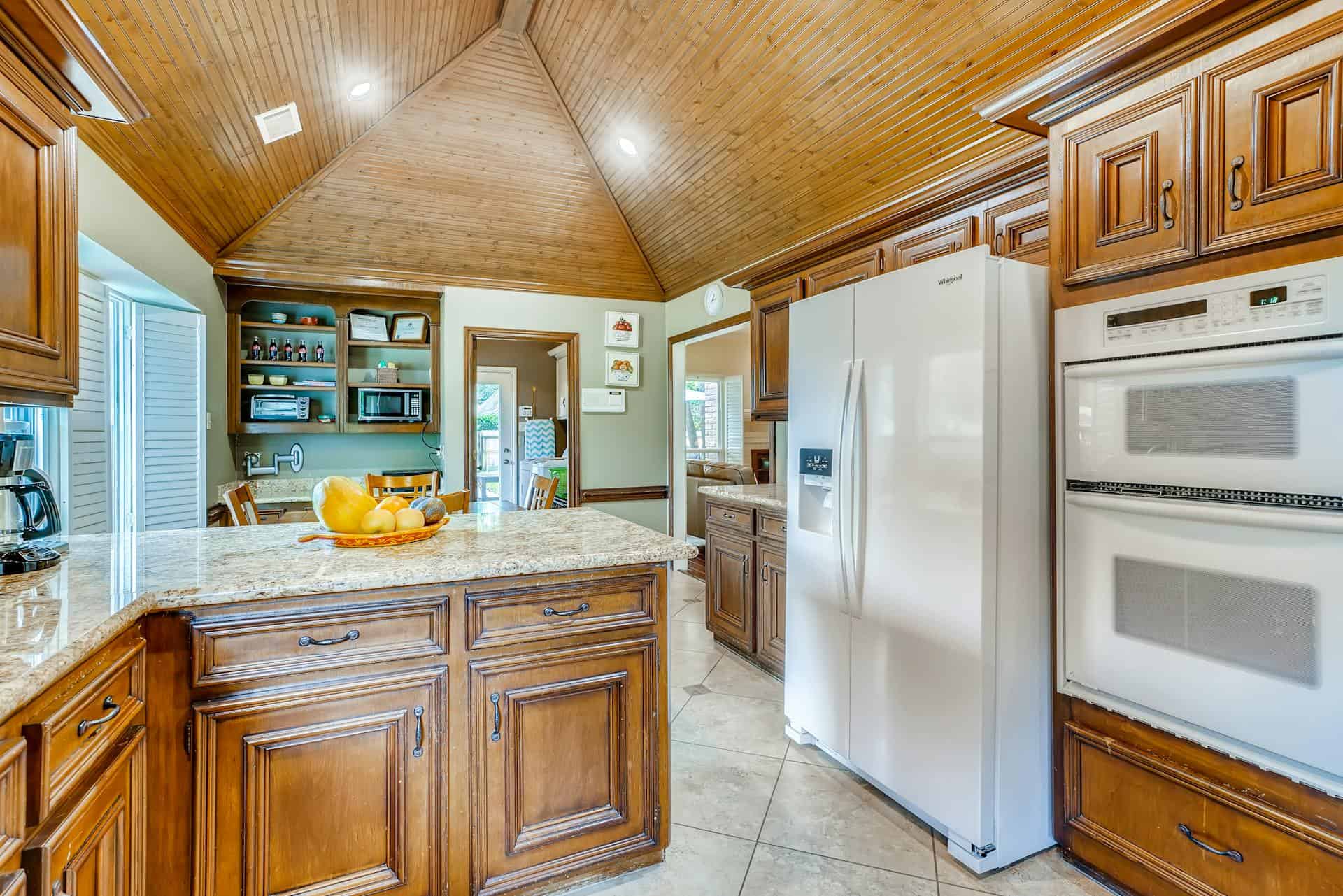
Question: How Do You Clean the Grime Out of Intricate Cabinet Door Crevices?
Answer: You can clean the grime out of intricate cabinet door crevices by using a soft toothbrush or cotton swab dipped in a solution of warm water and mild dish soap. Gently scrub the crevices to loosen grime, then wipe the area with a clean, damp cloth. Dry thoroughly to prevent water damage to the wood.
A Practical Method for Cleaning Detailed Cabinet Crevices
Intricate cabinet doors add a touch of elegance and character to any kitchen or bathroom. Their detailed carvings, recessed panels, and decorative mouldings create visual interest that plain, flat doors simply cannot match. However, these beautiful details also create the perfect hiding spots for dust, grease, and everyday grime. Over time, a sticky film can accumulate in every tiny groove and corner, dulling the finish and making your cabinetry look neglected. This buildup is especially common in kitchens, where airborne cooking oils combine with dust particles to form a stubborn residue that clings to surfaces.
Cleaning these small spaces can be frustrating. A quick wipe with a cloth only cleans the flat surfaces, leaving the crevices untouched and visibly dirty. The challenge lies in reaching these tight areas without scratching the wood or damaging the finish. Fortunately, you do not need expensive specialty products or harsh chemicals to restore their appearance. The solution involves a methodical approach using simple household items and the right techniques. Understanding how do you clean the grime out of intricate cabinet door crevices transforms a difficult chore into a manageable project, leaving your cabinets looking fresh, clean, and well-maintained for years to come.
Gathering the Right Tools and Gentle Cleaners
Before you begin, assembling the correct supplies will make the cleaning process significantly more effective and efficient. You can find most of these items around your home. Your primary tools will be for gentle agitation and reaching into small spaces. A new, soft-bristled toothbrush is perfect for scrubbing inside grooves without causing scratches. For even tighter corners and delicate details, cotton swabs provide excellent precision. You can also wrap a thin microfibre cloth around the end of a wooden skewer or a butter knife to create a custom tool for narrow channels. A stack of clean microfibre cloths is essential for wiping and drying.
For your cleaning solution, a simple and gentle mixture is always the best starting point. Mix a few drops of mild dish soap into a bowl of warm water. This solution is powerful enough to cut through most grease and grime but gentle enough for nearly all cabinet finishes, including painted, stained, and sealed wood. Another effective option is a fifty-fifty solution of white vinegar and warm water, which works well on greasy buildup. Regardless of your choice, you should always test your cleaning solution on a small, inconspicuous area first, like the back of a cabinet door, to ensure it does not affect the colour or finish.
Click the link for more information on cabinet refinishing Toronto
Related Article: Why Is the Self-Clean Oven Cycle Dangerous for Nearby Cabinets?
Related Article: Can Steam Cleaners Cause Cabinet Doors to Delaminate?
How Do You Clean the Grime Out of Intricate Cabinet Door Crevices?
With your cabinets prepped and your tools ready, you can now focus on the detailed cleaning process. The key is to work methodically in small sections, ensuring each groove and corner receives attention. This focused approach prevents the cleaning solution from drying on the surface before you can wipe it away. It also helps you track your progress across the detailed patterns of your cabinet doors. By following these precise steps, you will lift the accumulated grime without damaging the delicate finish of your cabinetry.
Creating Your Cleaning Solution
Prepare your chosen cleaning agent in a small bowl that is easy to carry and access. If you are using dish soap, a few drops in about two cups of warm water is plenty. Stir it until the soap is fully dissolved but not so vigorously that you create excessive suds. If you opt for the vinegar solution, simply mix equal parts white vinegar and warm water. Having your solution ready in an open bowl makes it easy to dip your tools as you work, which is more efficient than using a spray bottle that can cause drips and oversaturate the wood.
Applying the Solution and Loosening Grime
Dip your soft-bristled toothbrush into the cleaning solution, then tap it on the side of the bowl to remove excess liquid. You want the bristles to be damp, not dripping wet. Gently apply the solution directly onto the grimy crevices and mouldings. Allow the cleaner to sit for a minute or two. This short dwell time gives the solution a chance to penetrate and soften the greasy buildup, making it much easier to scrub away. This step does most of the hard work for you by breaking down the grime chemically before you begin scrubbing physically.
Scrubbing the Crevices with Precision
Using your damp toothbrush, gently scrub back and forth along the grooves and carvings. Use circular motions for small, detailed corners. The soft bristles will work their way into the crevices, dislodging the softened grime without harming the cabinet surface. For extremely tight lines, use your skewer wrapped in a thin, damp cloth. For sharp corners, a cotton swab dipped in the cleaning solution works perfectly. Work on one detailed section at a time until you see the grime lifting away from the surface.
Wiping Away the Residue
Immediately after scrubbing a section, use a clean, damp microfibre cloth to wipe away the loosened grime and any remaining cleaning solution. Follow this with a second, completely dry microfibre cloth to absorb all moisture. It is very important to dry the wood thoroughly to prevent water spots or potential damage to the finish. Step back and inspect the area, repeating the process if any stubborn spots remain.
Tackling Stubborn Stains and Greasy Buildup
Sometimes, particularly in a busy kitchen, you will encounter grime that a simple soap or vinegar solution cannot fully remove. Years of cooking can lead to a polymerized layer of grease that is thick and sticky. For these tougher jobs, you will need a bit more cleaning power, but you should still avoid harsh, abrasive commercial cleaners that can strip the finish from your cabinets. A safe and highly effective alternative is a simple paste made from baking soda and water. This mixture acts as a very mild abrasive that can lift stubborn residue without scratching most cabinet surfaces.
To create the paste, mix baking soda with just enough water to form a thick consistency, similar to toothpaste. Apply a small amount of this paste directly onto the stubborn spot using your finger or a cotton swab. Let it sit for several minutes, then gently scrub the area with your soft-bristled toothbrush. The baking soda will help break down the tough grease and lift it from the crevices. After scrubbing, wipe the paste and grime away completely with a clean, damp microfibre cloth. You may need to rinse your cloth and wipe the area a few times to remove all the baking soda residue. Always finish by drying the area thoroughly with a dry cloth.
Finishing Touches and Preventative Maintenance
After you have successfully cleaned all the grime from the crevices, a few final steps will protect your work and make future cleaning easier. The most important step is ensuring every part of the cabinet door is completely dry. Go over all the details one last time with a soft, dry microfibre cloth, paying special attention to the corners and grooves where water might linger. Trapped moisture can damage wood finishes over time, so this final drying pass is essential for the long-term health of your cabinetry. This simple action helps maintain the integrity of the wood and its protective coating.
Once the cabinets are clean and dry, you can apply a layer of protection. For stained or natural wood cabinets, a quality furniture polish or wax designed for wood can restore lustre and create a barrier against future dirt and grease. Apply it according to the product directions, using a clean cloth to buff it to a gentle shine. For painted cabinets, this step is usually not necessary. To prevent heavy buildup from returning, commit to a routine of regular light cleaning. A quick wipe-down of your cabinet doors, including the crevices, with a damp cloth every week or two will stop grime from accumulating. This regular maintenance makes your annual deep clean a much faster and simpler task.
Achieving and Maintaining Beautifully Clean Cabinets
Cleaning the grime out of intricate cabinet door crevices does not have to be an overwhelming task. By breaking down the process into manageable steps—gathering simple tools, preparing the surfaces, and working methodically—you can restore the beauty of your detailed cabinetry. The combination of a gentle cleaner, soft brushes, and a bit of patience is all you need to lift away the stubborn buildup that dulls your kitchen or bathroom’s appearance. The satisfaction of seeing those details emerge clean and sharp from beneath layers of dirt is well worth the effort. This process not only improves the look of your room but also contributes to a more hygienic environment.
By incorporating this deep cleaning into your annual home maintenance routine and performing regular light wipe-downs, you can easily prevent heavy accumulation in the future. Clean, well-maintained cabinets elevate the entire feel of a space, making it feel brighter and more cared for. Your efforts will ensure that the beautiful, detailed features of your cabinetry remain a highlight of your home’s decor for many years, looking just as good as the day they were installed.

Blue Malue Get in touch with Blue here.