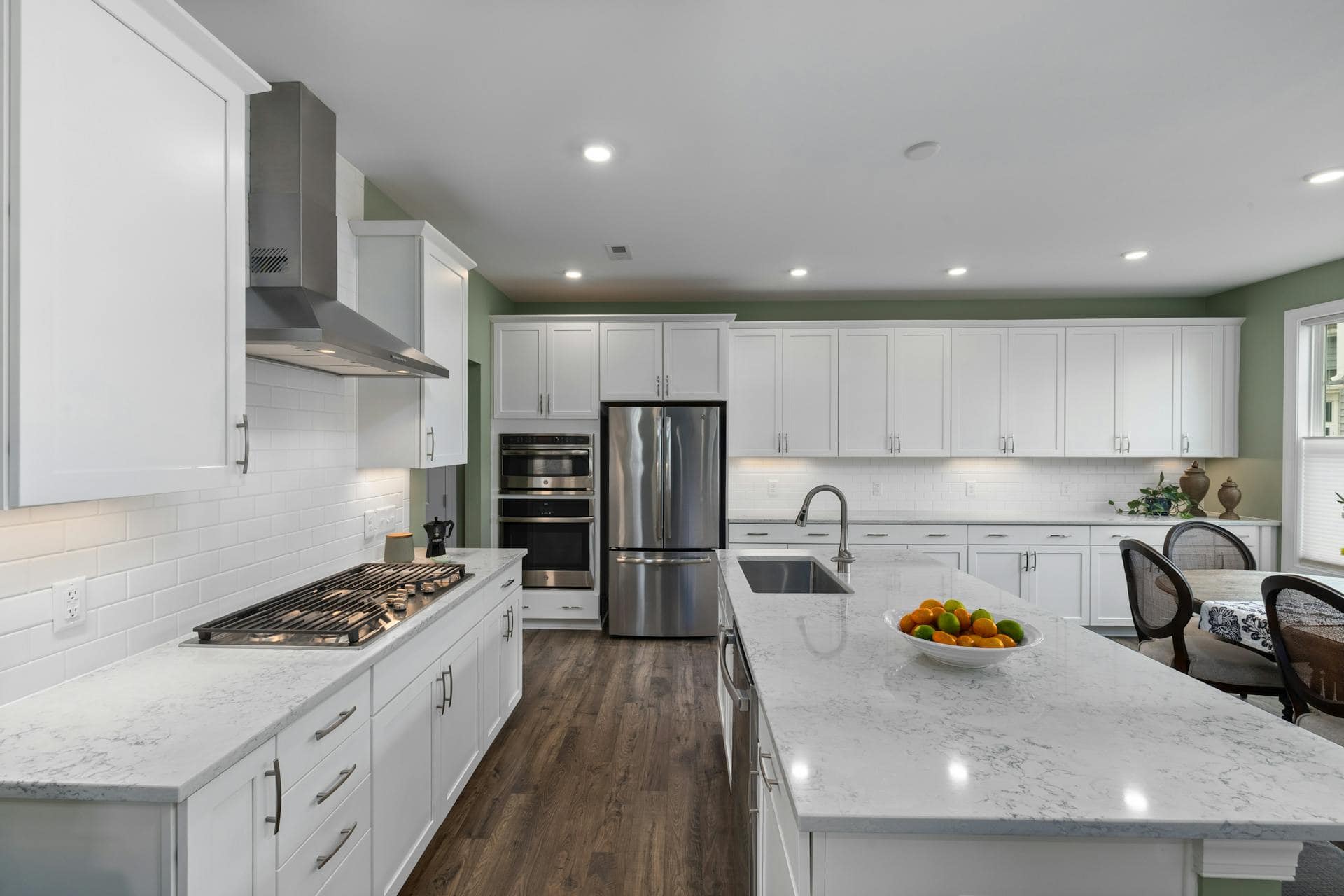
Question: What Is the Downside to a Quartz Countertop?
Answer: Downsides of a quart countertop include that while durable, quartz is not heat-proof and can be damaged by hot pans. It is also susceptible to discoloration from direct sunlight, making it unsuitable for outdoor use. Seams can be more noticeable than in natural stone, and it can be a pricier option.
Potential Drawbacks of Quartz Countertops
Quartz countertops have become a dominant choice for kitchen and bathroom renovations. Homeowners praise their durability, consistent appearance, and low-maintenance qualities. Manufacturers create these surfaces by combining crushed natural quartz with resins and pigments, resulting in a strong, non-porous slab. This engineering process gives quartz its famous resistance to stains and eliminates the need for regular sealing that natural stones require. The vast array of available colours and patterns also provides incredible design flexibility for any home decor style, from modern minimalist to traditional country.
Despite these well-publicized benefits, it is important to look at the complete picture. No countertop material is perfect for every situation or every homeowner. Understanding the potential limitations of quartz is important for making a confident and satisfying investment in your home.
Heat Resistance Limitations You Should Know
One of the most significant considerations for quartz countertops is their reaction to high temperatures. Unlike natural stones such as granite, which form under immense heat and pressure, quartz surfaces contain polymer resins that act as binders. These resins are susceptible to damage from thermal shock. Placing a hot pot or pan directly from the stovetop or oven onto the quartz can cause the resins to burn or melt. This can result in permanent discoloration, often a cloudy or yellowed mark that you cannot remove. In more extreme cases, the sudden temperature change can even cause the countertop to crack.
This limitation requires a consistent change in kitchen habits for many people. You must always use trivets, hot pads, or cutting boards to protect the surface from direct heat. This applies to not only pots and pans but also to heat-generating appliances like slow cookers or electric frying pans that might sit on the counter for extended periods. While quartz is a very durable material in many respects, its vulnerability to heat is a critical factor. Homeowners who frequently cook with high heat and are used to placing hot items directly on their counters must be prepared to adopt these protective measures without fail.
Click here for more information on cabinet refinishing Toronto
Related Article: What Not to Put on Quartz Countertops?
Related Article: What Countertops Don’t Stain or Scratch?
What Is the Downside to a Quartz Countertop? Seams and Appearance
The manufactured nature of quartz provides remarkable consistency in colour and pattern, which many people appreciate. However, this uniformity also presents some aesthetic downsides. For larger kitchens that require more than one slab of material, seams will be necessary. On a quartz countertop, these seams can be more apparent than on a slab of natural stone. The uniform pattern makes it challenging to hide the transition from one piece to the next. In contrast, the wild veining and unpredictable patterns of granite or marble can help camouflage seams more effectively by integrating them into the natural flow of the stone.
Furthermore, some homeowners feel that the patterns in quartz, while beautiful, lack the unique character and depth of natural stone. Each slab of granite or marble is a one-of-a-kind piece of art created by nature. Engineered quartz attempts to replicate these looks, but the pattern is ultimately printed or mixed in, and it can appear repetitive or less authentic to a discerning eye. If you value the unique, unrepeatable beauty of a natural material, the controlled and consistent appearance of quartz might feel less special. The visual depth found in a thick piece of quartzite or marble is a quality that engineered surfaces have yet to fully reproduce.
UV Light Sensitivity and Outdoor Use
Another important limitation of quartz countertops is their poor performance in direct sunlight. The resins used to bind the quartz crystals and pigments together are not stable when exposed to ultraviolet (UV) light for extended periods. This exposure can cause the resins to break down and yellow over time, fading or altering the countertop’s original colour. This effect is most noticeable in lighter-coloured quartz slabs. For this reason, manufacturers strongly advise against using standard quartz countertops in outdoor applications like patio kitchens or barbecue stations. The material simply cannot withstand the elements and will degrade in appearance.
This sensitivity also extends to indoor areas that receive intense, direct sunlight. If you have a large kitchen window that lets bright sunlight stream onto your countertop for several hours each day, you could see fading or discoloration over the years. You may want to consider UV-blocking window films or ensure your window coverings are used during peak sun hours to protect your investment. While some newer, specialized quartz products are being developed for outdoor use, the vast majority of options available on the market are intended for indoor use only, away from the damaging effects of direct UV radiation.
Installation and Cost Considerations
Quartz countertops represent a significant financial investment in a home. The material itself is a premium product, and its price is often comparable to, or even higher than, many types of natural stone like granite. The final cost depends on the colour, pattern complexity, thickness, and overall quality of the slab you choose. It is important to budget not only for the material but also for the specialized labour required for fabrication and installation. Quartz is extremely heavy and requires precise cutting with specialized tools, making installation a job strictly for experienced professionals. A do-it-yourself installation is not a realistic option.
The professional installation process adds a considerable amount to the total project cost. This labour includes creating a precise template of your cabinetry, cutting the slab to exact dimensions, finishing the edges, cutting out holes for sinks and taps, and carefully securing the heavy pieces in place. Attempting to save money with an inexperienced installer can lead to disaster, including cracked sl
Conclusion
Quartz countertops offer a compelling package of beauty, durability, and low maintenance that rightly places them at the top of many wish lists. Their non-porous surface provides excellent hygiene and stain resistance, while the vast selection of designs ensures a perfect match for any aesthetic. However, a complete understanding requires acknowledging its limitations. The material’s sensitivity to high heat demands the consistent use of trivets. Its hardness does not make it immune to scratches from knives or chips from heavy impacts, particularly on corners and edges. These are practical, day-to-day realities of living with and caring for a quartz surface.
The visibility of seams in larger layouts, the potential for discoloration from direct UV light, and the significant overall cost are all factors that need to be weighed. By understanding these potential drawbacks, you can make a decision that truly fits your lifestyle, cooking habits, and budget. Choosing a countertop is about finding the right balance of properties for your specific needs. An informed homeowner who knows both the strengths and weaknesses of quartz is best equipped to protect their investment and enjoy their beautiful kitchen for many years.

Blue Malue Get in touch with Blue here.