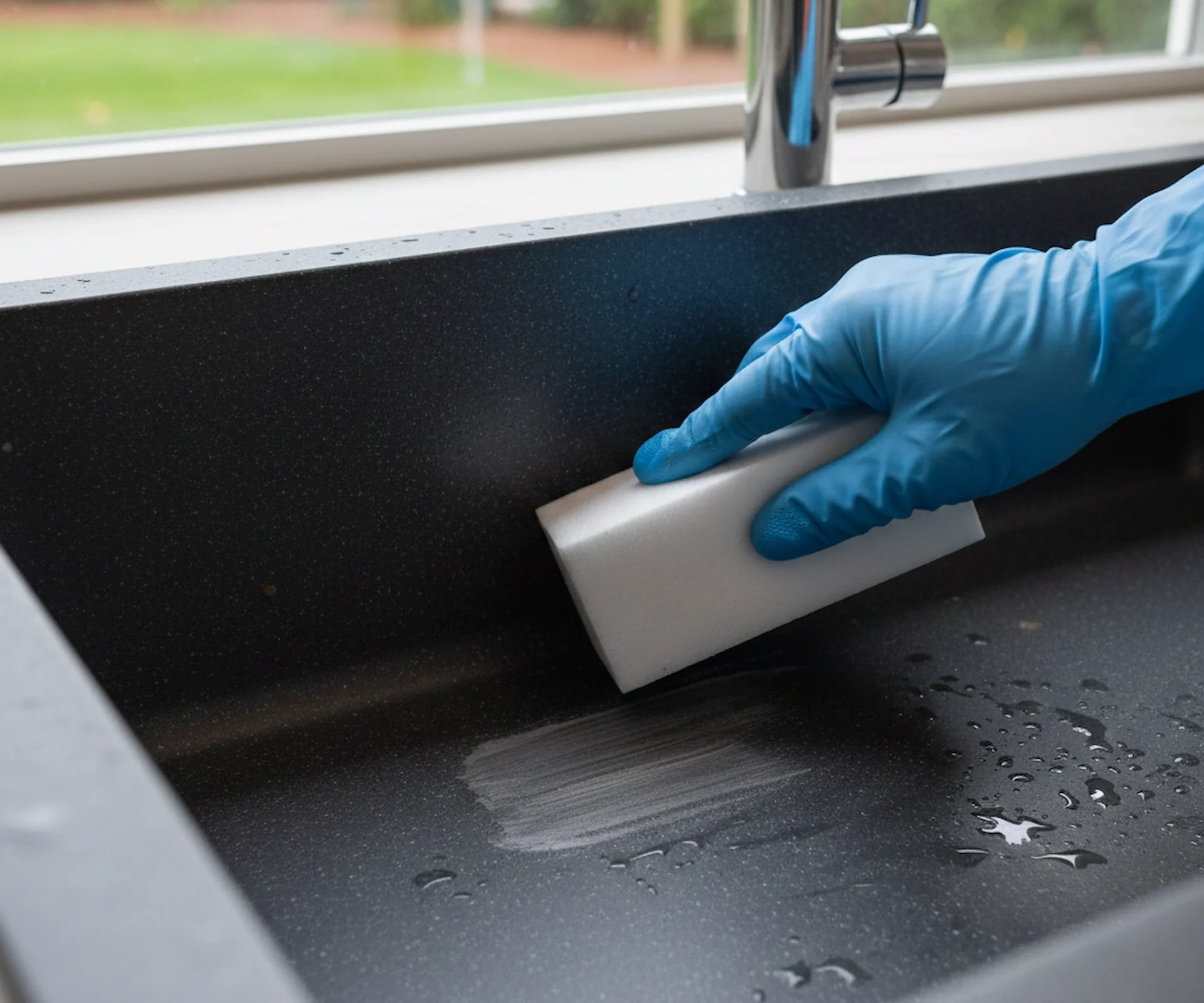
Question: Can I Use a Magic Eraser on a Composite Kitchen Sink?
Answer: It is not recommended to use a magic eraser on a composite kitchen sink. Magic Erasers are micro-abrasives that can dull the finish and damage the sealant of a composite sink over time. This wear can make the sink more susceptible to future staining. Always use non-abrasive cleaners to protect the surface integrity.
Using a Magic Eraser on Your Composite Sink: Is It Safe?
Composite kitchen sinks offer homeowners a durable and beautiful alternative to traditional stainless steel or porcelain. Manufacturers create these sinks by combining crushed stone, like granite or quartz, with a strong acrylic resin binder. This process produces a tough, non-porous material that resists scratches, chips, and high temperatures. Their uniform colour and modern aesthetic make them a popular choice in many contemporary kitchens. Despite their resilience, composite sinks can still acquire stubborn stains from coffee, tea, wine, or hard water deposits, leaving owners searching for an effective cleaning solution.
Many people reach for a Magic Eraser to handle tough household stains. This popular cleaning tool seems to magically lift marks from various surfaces with just a little water. Its effectiveness makes it a go-to product for scuffs on walls or grime on countertops. While it seems like a simple fix, the answer requires a deeper understanding of both the sink’s surface and the eraser’s cleaning mechanism. Using the wrong tool can cause irreversible damage.
This article explains how a Magic Eraser works and how its action affects the delicate finish of a composite sink. We will explore the potential risks involved and outline why most sink manufacturers advise against its use. We will also provide safe and proven cleaning alternatives that remove tough stains without compromising your sink’s integrity. Understanding the proper care for your composite sink ensures it remains a functional and attractive centrepiece in your kitchen for years. Proper cleaning preserves both its look and its value.
What Makes a Composite Sink Unique?
A composite sink’s unique properties come from its specialized construction. These sinks typically contain about 80% crushed natural stone and 20% acrylic resin. The stone, usually granite or quartz, provides incredible strength, durability, and resistance to heat. The resin acts as a binder, holding the stone particles together and creating a smooth, non-porous surface. This combination results in a material that is much harder and more resilient than many other sink types. The colour of the sink is consistent throughout the material, so a minor scratch will not reveal a different colour underneath.
The resin binder is the most critical component regarding cleaning and maintenance. It fills in the tiny gaps between the stone particles, which prevents food and bacteria from penetrating the surface. This resin also gives the sink its final finish, which can range from a soft matte look to a subtle sheen. This finish is not a separate topcoat; it is an integral part of the material itself. Protecting this resin layer is essential for maintaining the sink’s appearance and performance. Harsh chemicals or abrasive cleaners can degrade this binder, altering the sink’s texture and colour over time.
Click here for more info about Blue Kitchen Refacing
Related Article: What Is Better, a Ceramic or Composite Kitchen Sink?
Related Article: Do Composite Kitchen Sinks Crack Easily?
The Potential Damage to Your Sink’s Finish
The primary risk of using a Magic Eraser on a composite sink lies in its abrasive nature. The fine melamine foam scrubs away stains, but it can also scrub away the sink’s finish. The acrylic resin that binds the stone particles is softer than the stone itself. The Magic Eraser’s abrasive action can wear down this resin, slowly dulling the surface. With a single, gentle use on a stubborn mark, you might not notice any immediate change. However, repeated use or aggressive scrubbing can create a noticeable and permanent dull patch on your sink.
This damage is purely mechanical and cannot be easily reversed. Once the resin is abraded, the sink loses its original lustre in that area. The change is often subtle at first but becomes more apparent over time. The sink may start to look blotchy or uneven, which detracts from its sleek, uniform appearance. Since the finish is integral to the sink material, you cannot simply reapply a new topcoat. Protecting the original resin finish is the only way to keep your composite sink looking its best. For this reason, most manufacturers explicitly warn against using abrasive pads, scouring powders, or melamine foam erasers.
Why Darker Sinks Show Damage More Easily
Damage from a Magic Eraser is particularly visible on dark-coloured composite sinks, such as black, brown, or dark grey models. A smooth, polished surface reflects light uniformly, giving it a rich and deep colour. When you use an abrasive like a Magic Eraser, it creates thousands of microscopic scratches in the resin. These tiny scratches disrupt the surface and cause light to scatter in different directions. This light scattering makes the affected area appear dull, faded, or chalky compared to the rest of the sink. This effect is much more pronounced against a dark background, making the damage impossible to ignore.
Better Ways to Clean Your Composite Sink
Maintaining the beauty of your composite sink does not require harsh tools like a Magic Eraser. Safe and effective cleaning relies on gentle, consistent care using simple products. For most situations, a non-abrasive approach will remove stains and keep your sink in excellent condition. This protects your investment and ensures the sink’s finish remains intact for many years. Adopting a simple daily routine and knowing how to handle tougher stains will make maintenance effortless.
Daily Cleaning and Maintenance
A simple daily cleaning routine is the best way to prevent stain buildup and hard water deposits. This proactive approach keeps your sink looking new with minimal effort.
Use mild dish soap and warm water.
After doing dishes, use a soft sponge or microfibre cloth with a few drops of dish soap to wipe down the entire sink basin.Rinse the sink thoroughly after each use.
Do not let food particles, coffee grounds, or coloured liquids sit in the sink. A quick rinse prevents them from drying and causing stains.Wipe the sink dry.
Use a clean, dry microfibre cloth to wipe the sink after cleaning. This step is crucial for preventing mineral deposits from hard water, which can create a cloudy film on the surface.
Tackling Tough Stains Safely
For more stubborn stains that daily cleaning cannot remove, you can use slightly stronger but still non-abrasive methods. These solutions use common household items to lift stains without damaging the sink’s resin finish.
Try a baking soda paste.
Mix baking soda with a small amount of water to form a thick paste. Apply the paste directly to the stain and let it sit for 15 to 20 minutes. Gently scrub the area with a soft-bristled brush or a non-abrasive sponge before rinsing thoroughly.Use a vinegar and water solution.
For hard water spots and mineral buildup, a 50/50 mixture of white vinegar and water is very effective. Spray the solution onto the affected areas, let it sit for several minutes, then scrub gently and rinse with clean water.Apply mineral oil to restore shine.
To enhance your sink’s lustre, you can apply a thin coat of food-grade mineral oil once a month. Pour a small amount onto a clean cloth and buff it into the dry sink surface. This deepens the colour and helps repel water.
Using a Magic Eraser as a Last Resort
While we strongly recommend against it, some people might still consider using a Magic Eraser for an exceptionally stubborn stain that other methods cannot remove. If you choose this path, you must proceed with extreme caution to minimize potential damage. This should only be a final option after you have exhausted all other safe cleaning alternatives. Remember that any use of an abrasive product on your composite sink carries a risk of altering its finish. Acknowledging this risk is the first step before you proceed.
If you decide you must use a Magic Eraser, follow a strict, careful process to limit the impact on your sink’s surface. Do not use it for general cleaning; reserve it for a single, small, and targeted stain.
Test in a hidden spot first.
Find an inconspicuous area of your sink, perhaps under the rim or in a back corner, to test the eraser. Rub very gently and check for any change in the finish or colour.Use minimal pressure.
Wet the eraser and wring it out. Use very light, circular motions on the stain. Let the abrasive quality of the foam do the work instead of applying force.Limit contact time.
Only rub for a few seconds at a time. Check your progress frequently. The goal is to remove the stain, not the sink’s finish.Rinse the area immediately.
As soon as the stain is gone, rinse the area with plenty of clean water to remove any melamine particles. Dry the spot with a soft cloth to check the final result.
Protecting Your Composite Sink for the Long Term
While you technically can use a Magic Eraser on a composite kitchen sink, it is not a recommended practice. The tool’s power comes from its micro-abrasive structure, which functions like ultra-fine sandpaper. This abrasive action can wear down the acrylic resin that gives your sink its smooth finish and rich colour. Over time, this can lead to permanent dull spots and a blotchy appearance, particularly on darker sinks where changes in light reflection are more obvious. The risk of causing irreversible damage to your sink’s surface outweighs the short-term benefit of quick stain removal.
The best approach to care for your composite sink involves gentle, consistent maintenance with non-abrasive cleaners. A daily wipe-down with mild soap and water, followed by drying with a microfibre cloth, prevents most stains and water spots from forming. For tougher marks, safe alternatives like a baking soda paste or a vinegar solution can effectively lift stains without harming the delicate resin binder. These simple habits will preserve your sink’s factory finish and keep it looking beautiful for years. Protecting your sink is about choosing the right methods, not the most aggressive ones.
Before trying any new cleaning product, always consult your sink manufacturer’s specific care instructions. Companies like Blanco, Franke, or Kraus provide detailed guides on approved cleaners for their composite sinks. Following their official recommendations is the surest way to protect your warranty and your investment. A composite sink is a durable and valuable feature in your kitchen. With proper care and the right cleaning techniques, you can easily maintain its elegant appearance and functionality for its entire lifespan.

Blue Malue Get in touch with Blue here.