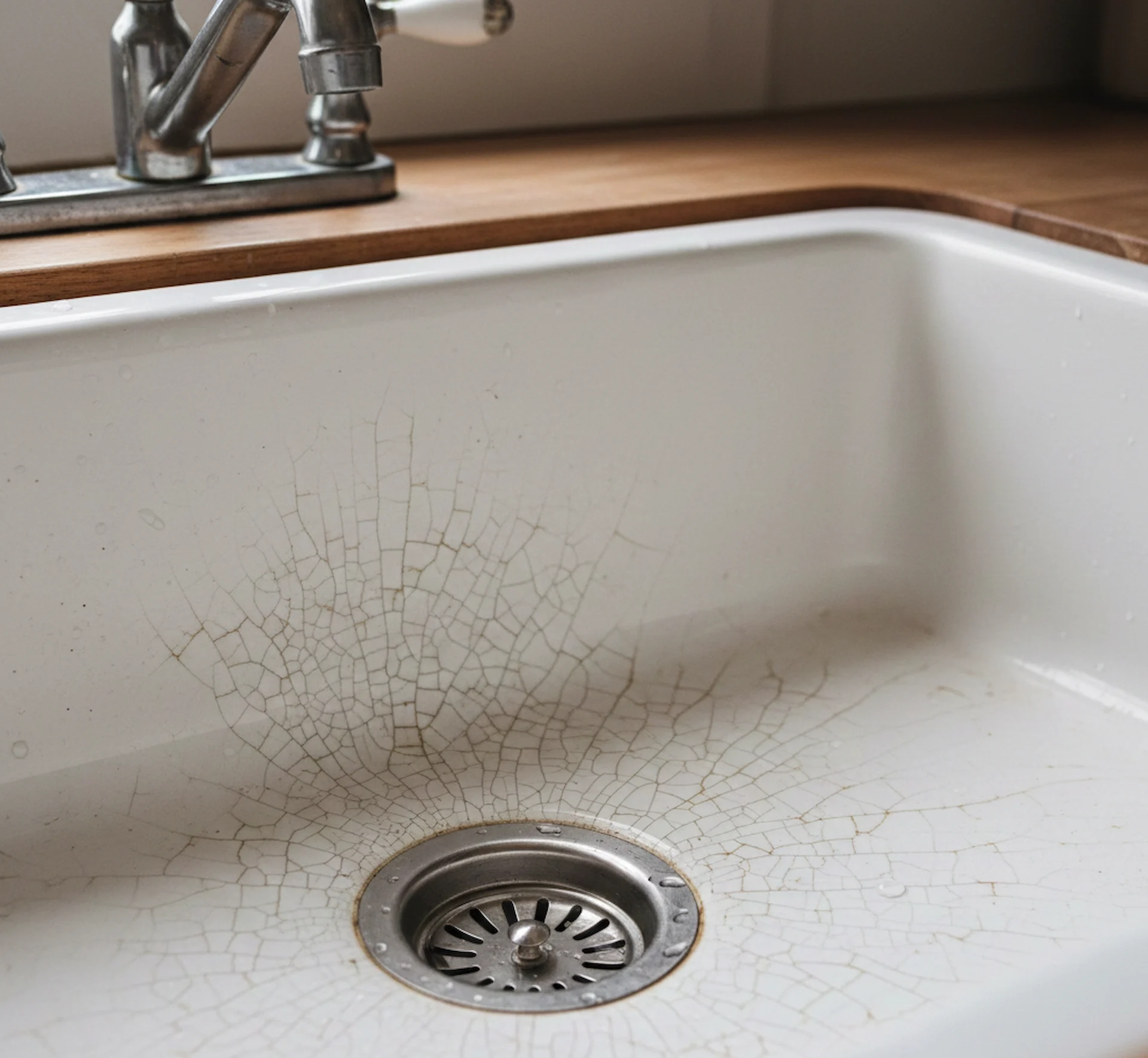
Question: Do Porcelain Kitchen Sinks Crack Easily?
Answer: No, porcelain kitchen sinks do not crack easily. They are quite durable but can crack or chip from a heavy impact, like dropping a cast iron pot. Modern fireclay or porcelain-enameled cast iron sinks are exceptionally strong and resistant to thermal shock, minimizing the risk of damage.
The Durability of a Porcelain Kitchen Sink
Porcelain kitchen sinks offer a classic, timeless appeal that complements many design styles, from traditional farmhouse to modern minimalist. Their smooth, glossy surface is non-porous, making them hygienic and easy to clean. Homeowners often choose porcelain for its bright, clean appearance and its ability to resist stains from common foods and liquids. This material brings a sense of elegance and established quality to the centre of the kitchen. Many people appreciate the substantial feel and quiet operation compared to thinner materials like stainless steel.
However, a common concern revolves around their strength. The question of whether porcelain kitchen sinks crack easily is a valid one for any household considering this investment. While these sinks possess considerable durability, they are not indestructible. The material’s hardness, which helps it resist scratches, also makes it brittle under certain conditions. Understanding the factors that contribute to potential damage is key to making an informed decision and ensuring the sink lasts for many years. The answer depends heavily on the type of porcelain, how it is used, and the care it receives daily.
What Defines a Porcelain Sink?
A porcelain sink is a type of ceramic fixture known for its hard, glass-like surface. This surface, called a glaze, is created by firing materials at very high temperatures. The process results in a non-porous finish that is highly resistant to staining and bacterial growth. People value this quality in a kitchen environment where hygiene is a priority. The smooth finish also makes cleanup simple, as food particles and liquids wipe away with ease. The base material beneath this glaze, however, significantly impacts the sink’s overall durability and its reaction to stress.
There are two primary types of porcelain sinks. The first is porcelain enamel on a metal base, typically cast iron or steel. Manufacturers apply a thick layer of porcelain enamel over the heavy metal core and fire it, fusing the two materials. This creates an exceptionally strong sink. The cast iron provides immense structural integrity, while the enamel provides the classic white, glossy finish. The second type is solid ceramic, often called fireclay. Fireclay sinks are made from a special clay fired at extremely high temperatures, making the entire fixture incredibly dense and durable. These sinks are resistant to chipping, scratching, and cracking from high heat.
Click here for more information on more information
Related Article: What Can Damage a Porcelain Kitchen Sink?
Related Article: What Should You Not Put On a Ceramic Kitchen Sink?
Porcelain vs Other Sink Materials: A Durability Comparison
When choosing a kitchen sink, durability is a major factor. Comparing porcelain to other popular materials helps you understand its relative strengths and weaknesses. Each material offers a unique balance of resilience, maintenance needs, and aesthetic appeal. Your kitchen habits and lifestyle play a significant role in determining which option is the best fit for your home. Considering how you use your sink daily will guide you to the most practical and long-lasting choice.
Porcelain vs Stainless Steel
Stainless steel sinks are incredibly popular for their resistance to heat and impact. You can drop a heavy pot in a stainless steel sink, and it will likely absorb the blow without cracking, though it might get a dent. Stainless steel is also immune to thermal shock. However, it scratches more easily than porcelain, and these scratches can accumulate over time, dulling the finish. Porcelain, by contrast, has a harder surface that resists scratches from utensils and light cleaning. Its main vulnerability is cracking or chipping from a sharp impact.
Porcelain vs Granite Composite
Granite composite sinks, made from a mix of crushed granite and resin, are exceptionally tough. They resist scratches, stains, heat, and impact better than most other materials. They are an excellent choice for a busy kitchen where durability is the top priority. Porcelain offers a more classic, glossy white appearance that many people prefer, but it is more susceptible to chipping from dropped cookware. A granite composite sink provides superior all-around performance in terms of toughness, while a porcelain sink excels in traditional aesthetic and stain resistance.
Porcelain vs Fireclay
Fireclay is often confused with standard porcelain, but it is a distinct and more durable material. Made from clay fired at over 1200°C, fireclay sinks are fused into a dense, heavy-duty fixture. This process makes them highly resistant to chipping, scratching, and high temperatures. They effectively combine the timeless look of porcelain with enhanced durability. If you love the appearance of a white farmhouse sink but are concerned about porcelain’s tendency to crack, a fireclay sink is an excellent alternative. It offers a similar aesthetic with superior resilience against daily kitchen activities.
How to Prevent Your Porcelain Sink from Cracking
Protecting your porcelain kitchen sink from damage is straightforward with a few simple habits. Proactive care is the best way to maintain its flawless finish and ensure it remains a beautiful feature in your kitchen for decades. By minimizing the risk of impact and thermal shock, you can easily avoid the most common causes of cracks and chips. These preventative measures do not require significant effort but make a substantial difference in the sink’s longevity.
Integrating these practices into your daily routine will preserve the sink’s integrity and appearance.
-
Use a Protective Sink Grid
Placing a stainless steel or vinyl-coated grid on the bottom of your sink is the most effective way to prevent impact damage. A grid elevates dishes and cookware off the sink’s surface, creating a protective buffer. If you accidentally drop a heavy pan or a glass, the grid will absorb most of the impact, preventing chips or cracks. It also allows water to drain freely and reduces scuff marks.
-
Avoid Extreme Temperature Changes
To prevent thermal shock, never pour boiling liquids directly onto the cold sink surface. Always run warm tap water for a few seconds first to gently raise the sink’s temperature. This simple step neutralizes the temperature difference and eliminates the stress that can cause the porcelain to crack. Similarly, avoid placing frozen items directly into a hot sink filled with water.
-
Clean with Gentle Materials
The hard glaze on a porcelain sink is durable, but abrasive cleaners and tools can wear it down over time. Avoid using steel wool, scouring pads, or harsh chemical cleaners containing bleach or ammonia. These can etch the surface, making it dull and more prone to staining and damage. Instead, use a soft sponge or cloth with a mild dish soap or a pH-neutral cleaner specifically made for porcelain.
-
Handle Heavy Cookware Carefully
Be mindful when washing heavy items like cast iron skillets, Dutch ovens, or large stockpots. Do not drop or drag them across the sink’s surface. Lower them gently into the basin and wash them with care. If possible, wash extremely heavy or awkward items one at a time to maintain full control and reduce the risk of an accident. A little caution goes a long way in preventing impact damage.
Are Porcelain Sinks a Good Choice for Your Kitchen?
A porcelain sink can be a wonderful and long-lasting choice for the right household. The idea that porcelain kitchen sinks crack easily is a partial truth; they are more vulnerable to specific types of damage than materials like stainless steel or granite composite. They demand a level of care and mindfulness that might not suit every lifestyle. For a family with young children or a very high-traffic kitchen where heavy pots are used frequently, a more forgiving material might be a better option. However, their vulnerability is often overstated.
If you value the unmatched classic beauty, the bright finish, and the hygienic properties of porcelain, it remains an excellent option. By adopting simple preventative measures, such as using a sink grid and avoiding thermal shock, you can virtually eliminate the risk of cracks and chips. The choice comes down to a balance of aesthetics and practicality. For the homeowner who appreciates its timeless style and is willing to provide gentle care, a quality porcelain sink is not a fragile liability. It is a durable, beautiful fixture that can serve as the elegant centrepiece of a kitchen for many years.

Blue Malue Get in touch with Blue here.