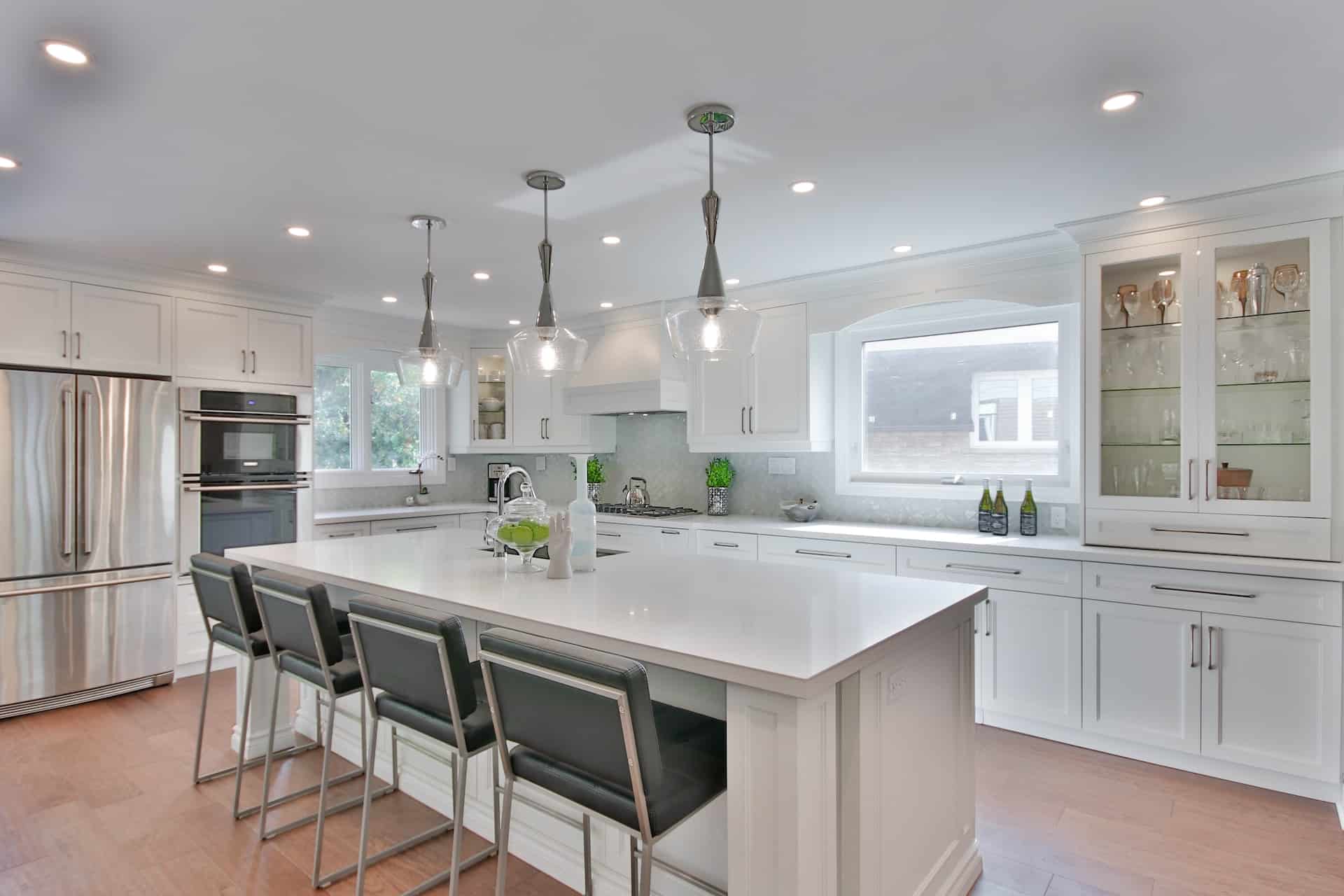
All About Kitchen Cabinet Refacing
Cabinet refacing offers a practical way to update your kitchen’s appearance. This process renews the visible surfaces of your cabinets. It provides the look of a new kitchen without the high cost of a full replacement. Homeowners choose refacing because it is efficient and less disruptive than a major renovation. The core structure of your cabinets, the boxes, remains in place. This method saves materials, time, and money while delivering a significant visual transformation for your space.
This process involves several key steps. A professional first removes all old cabinet doors and drawer fronts. They then prepare the surfaces of the cabinet boxes. Next, they apply a new veneer or laminate to these exterior surfaces. The final step is installing new, custom-made doors and drawer fronts. You can also add new hardware like handles, knobs, and hinges. This complete update gives your cabinets a modern, clean finish. The result is a fresh aesthetic that can change the entire feel of your kitchen or bathroom.
Understanding the difference between refacing, refinishing, and replacing is important. Refinishing involves sanding and staining or painting the existing doors and cabinet faces. It works only if you like your current door style. Replacing means tearing out the old cabinets completely and installing new ones. Refacing finds a middle ground and keeps the functional cabinet boxes and gives them a new skin. This approach provides more style options than refinishing and costs much less than a full replacement, making it a popular choice for many homeowners.
The Cabinet Refacing Process Explained
The cabinet refacing project begins with a professional consultation. A specialist visits your home to assess your current cabinets. They measure the doors, drawers, and cabinet boxes accurately. During this visit, you select new materials, styles, and colours. You can choose from various wood veneers, laminates, and door designs. This initial step ensures the final product matches your vision and fits your existing kitchen layout perfectly. Good planning at this stage prevents surprises later in the project.
After you finalize your choices, the work begins. The team removes all existing cabinet doors, drawer fronts, and old hardware. This clears the way for the next stage of surface preparation. The exposed cabinet frames are then cleaned and sanded. This step is critical for proper adhesion of the new surface material. A smooth and clean frame ensures the veneer or laminate will lay flat and last for many years. Any necessary repairs to the cabinet boxes are also made at this time.
Next, the professional applies the new skin to your cabinet boxes. They use either a real wood veneer or a durable laminate. The material is cut precisely to fit all visible surfaces of the cabinet frames. A strong adhesive bonds the new surface permanently. Finally, the new doors and drawer fronts arrive and are installed. The team attaches them with new, modern hinges and adds the handles or knobs you selected. The project concludes with a final inspection to ensure every detail is correct.
Click here for more information on kitchen refinishing
Related Article: Is it Worth it to Reface Kitchen Cabinets?
Cost Factors for a Refacing Project
Several factors determine the final cost of a cabinet refacing project. Understanding these elements can help you create a realistic budget. The primary driver of cost is the size of your kitchen. A larger kitchen with more cabinets and drawers will require more materials and labour, which increases the price. The total linear feet of cabinetry is a standard measurement used to provide an initial estimate. A simple galley kitchen will cost less to reface than a large, open-concept kitchen with an island.
Your choice of materials also plays a significant role in the overall expense. Laminate and thermofoil are generally the most budget-friendly options. Real wood veneers and solid wood doors are premium choices that will increase the project’s cost. The specific species of wood you select, such as common oak versus exotic cherry, will also affect the price. Similarly, intricate door styles with detailed patterns cost more than simple, flat-panel doors. These material selections allow you to control the budget while achieving your desired look.
Additional features and hardware selections contribute to the final cost. Upgrading to soft-close hinges or full-extension drawer glides adds functionality but also increases the price. The cost of new handles and knobs can vary widely based on their material and design. Adding custom elements like a wine rack, glass door inserts, or crown moulding will also raise the total expense. Labour costs, which vary by location and the contractor’s experience, are the final component of your project’s price.
Related Article: Can You Reface Really Old Kitchen Cabinets?
Related Article: What Are the Cons of Refacing Kitchen Cabinets?
Advantages and Disadvantages of Refacing
Cabinet refacing presents many benefits for homeowners. The most significant advantage is cost savings. Refacing typically costs about half as much as a full cabinet replacement. The project is also much faster, often completed within a few days. This speed means less disruption to your daily life. You can continue to use your kitchen for most of the process. Refacing is also an environmentally friendly choice. By reusing the cabinet boxes, you keep a large amount of material out of landfills. It is an excellent way to achieve a major visual upgrade with minimal waste.
However, there are some limitations to consider. The main disadvantage is that refacing does not change your kitchen’s existing layout. If your current cabinet configuration is inefficient or you want to add an island, refacing is not the solution. The interior of your cabinets also remains the same. If your shelves are worn or the inside surfaces are damaged, you might need to paint them or add liners separately. The success of a refacing project also depends on the condition of your current cabinet boxes. They must be structurally sound to support the new doors and veneer.
You must weigh these points to decide if refacing is right for you. It is a fantastic option if you like your kitchen’s layout and your cabinet boxes are in good shape. It delivers a stunning transformation for a moderate price. But if you desire a new floor plan or your cabinets are falling apart, a full renovation is a better investment. A professional can inspect your cabinets and give you an honest assessment of their condition, helping you make the best decision for your home improvement goals.
Related Article: Does Cabinet Refacing Include Painting?
Related Article: What Is the Difference Between Refacing and Resurfacing Cabinets?
Is Cabinet Refacing the Right Choice for Your Home?
Determining if cabinet refacing is the ideal solution for your home depends on a few key conditions. This process is a great fit for homeowners who are generally satisfied with their current kitchen layout. If your appliances are in the right place and the workflow is efficient, refacing allows you to update the style without a disruptive and costly redesign. It is a perfect way to modernize the look of your space while preserving the functional aspects you already enjoy. Refacing works best when the goal is a cosmetic enhancement, not a structural one.
The structural integrity of your existing cabinet boxes is another critical factor. Refacing adds new surfaces to the old framework. Therefore, the boxes must be sturdy, free from water damage, and in good overall condition. A professional can inspect your cabinets to confirm they are suitable for the process. If the boxes are solid, refacing is a viable and smart investment. Homeowners with good “bones” in their kitchen can leverage this process to achieve a high-end look without the high-end price tag of a complete tear-out and replacement.
Conversely, there are situations where a full replacement is the better option. If you dream of a different kitchen layout, such as adding an island or moving the sink, you will need a full remodel. Refacing cannot alter the footprint of your cabinets. Additionally, if your cabinet boxes are warped, broken, or have significant water damage, they cannot support a refacing project. In these cases, investing in new cabinets is necessary to ensure the longevity and safety of your kitchen. Evaluating your needs and your cabinets’ condition will clarify which path is right for you.
Related Article: How Long Does Cabinet Refacing Last?
Related Article: What Is Better Refacing or Painting Kitchen Cabinets?
Conclusion
Kitchen cabinet refacing stands out as a smart and effective home improvement solution. It provides a powerful way to transform your kitchen’s aesthetic without the expense and inconvenience of a complete renovation. The process preserves your sturdy cabinet boxes while giving them a completely new look with modern veneers, doors, and hardware. This approach is not only cost-effective but also environmentally conscious, as it reduces waste. For many homeowners, refacing delivers the best of both worlds: a beautiful, updated kitchen and a manageable project timeline.
The success of a refacing project hinges on the quality of both materials and installation. Choosing durable wood veneers or high-pressure laminates ensures your new cabinets will withstand daily use. Selecting a reputable company with experienced installers guarantees a professional finish. When done correctly, refacing can increase your home’s value and your enjoyment of the space. It is a strategic investment that updates one of the most important rooms in your house. The result is a kitchen that feels brand new, reflecting your personal style and enhancing your daily life.
If you are considering a kitchen update, gathering more information about refacing is a logical next step. Evaluate your current kitchen layout and the condition of your cabinet boxes. If they are in good shape and you like the arrangement, refacing is likely an excellent option for you. Contact a local refacing specialist to discuss your project. They can provide samples, explain the process in detail, and offer a precise quote based on your kitchen’s specific needs. This simple action can start you on the path to a refreshed and beautiful kitchen.

Blue Malue Get in touch with Blue here.