Question: Is It Better to Throw Food Away or Use a Garbage Disposal?
Answer: Using a garbage disposal is generally better than throwing food away. It diverts food from landfills, where it produces potent methane gas. Wastewater treatment plants can process the scraps, sometimes converting them into biosolids for fertilizer or capturing gas for energy. The best option, however, is composting.
Garbage Disposal vs. Trash Can for Food Scraps
Every day, households face a simple yet significant decision. What should you do with leftover food scraps? The choice often comes down to two options. You can send them down the garbage disposal or toss them into the trash bin. This decision seems small, but it has real consequences for your home and the environment. Many people wonder if it is better to throw food away or use a garbage disposal. The answer is not always straightforward.
Using a garbage disposal feels clean and convenient. It quickly washes food waste out of sight. On the other hand, throwing food in the trash keeps it out of your plumbing system. Each method has its own set of impacts. These impacts affect your pipes, local water treatment facilities, and global greenhouse gas emissions. To make an informed choice, you must understand what happens to food waste after it leaves your kitchen. This article examines the pros and cons of each disposal method. It provides clear information to help you select the best option for your situation.
How a Garbage Disposal Processes Food Waste
A garbage disposal is a common kitchen appliance that shreds food waste into small particles. Located under the sink, it uses a spinning plate with impellers to force food scraps against a stationary grind ring. The process liquefies the solid waste, allowing it to mix with water and flow down the drain. This slurry then enters your home’s plumbing system. From there, it travels through municipal sewer lines to a wastewater treatment plant.
At the treatment plant, the water undergoes several stages of cleaning. The organic solids from your food waste add to the total amount of material the plant must process. Modern facilities can handle this organic load. Some even use it to their advantage. They capture the methane gas produced during decomposition and convert it into biogas, a renewable energy source. However, this process requires significant energy and advanced infrastructure. Not all treatment plants have this capability. The efficiency of your local facility plays a big role in the environmental outcome of using a disposal.
Click here for more information on cabinet refacers Toronto
Related Article: Is It Safe to Pour Boiling Water Down a Garbage Disposal?
Related Article: Why Shouldn’t You Use a Garbage Disposal?
The Environmental Reality of Food in Landfills
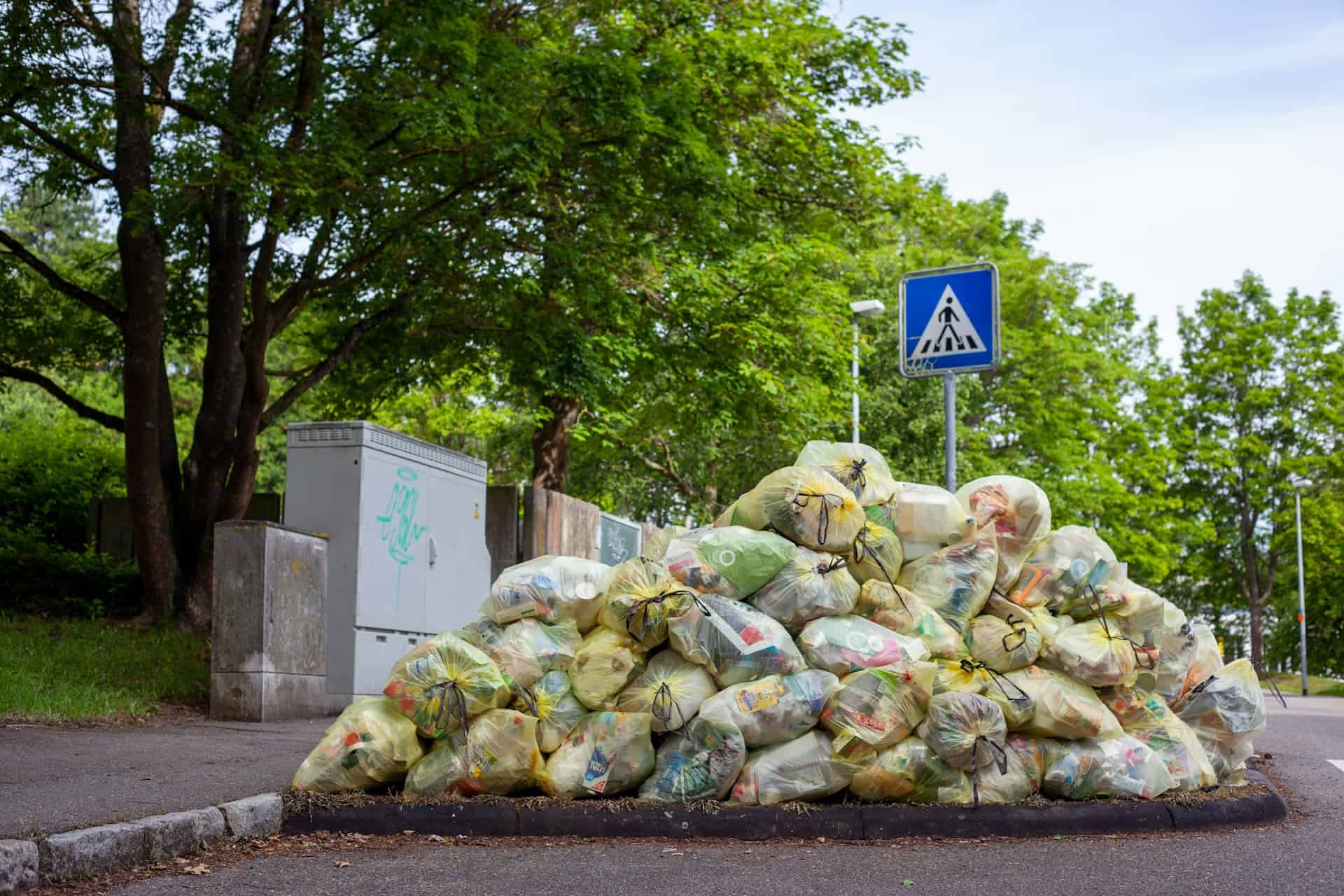
Throwing food away in the trash bin has a significant environmental footprint. Most household trash ends up in a sanitary landfill. Landfills are designed to store waste, not to break it down. Food scraps and other organic materials get buried under layers of garbage. This creates an oxygen-free environment. In these conditions, microbes decompose the waste anaerobically. This decomposition produces landfill gas, a mixture that is about 50 percent methane.
Methane is a powerful greenhouse gas that contributes to climate change. While many modern landfills have systems to capture this gas, these systems are not perfectly efficient. A substantial amount of methane still escapes into the atmosphere. Additionally, landfills take up large areas of land. The liquid that leaches from the decomposing waste, called leachate, can contaminate soil and groundwater if not managed properly. Placing food waste in the trash contributes directly to these long-term environmental problems. It uses up valuable landfill space and generates harmful emissions for decades.
Maintaining Your Home’s Plumbing System
The choice between a garbage disposal and the trash bin directly affects your home’s plumbing. A garbage disposal puts extra strain on your pipes. Certain foods can cause serious problems, leading to expensive clogs and repairs. You must learn what your disposal can and cannot handle to protect your plumbing.
Homes with septic systems face a different set of challenges. A septic system relies on a delicate balance of bacteria to break down solid waste. A garbage disposal sends a large amount of ground-up food solids into the septic tank. This can overwhelm the system. The solids can build up quickly, requiring more frequent pumping. They can also disrupt the bacterial environment, making the system less effective and potentially causing it to fail. For this reason, most experts advise against using a garbage disposal if your home has a septic system.
-
Foods to Avoid in a Garbage Disposal
To prevent clogs, never put fats, oils, or grease down the drain. They solidify in pipes and cause blockages. Avoid fibrous foods like celery stalks and corn husks, as their strings can wrap around the blades. Starchy items like pasta and potato peels can create a thick paste that clogs the system. Hard materials like bones and fruit pits can damage the disposal itself.
-
Septic System Health
The excess organic material from a garbage disposal increases the layer of sludge and scum in a septic tank. This means you will need to have your tank pumped more often, which is an added expense. The food particles can also flow into the drain field, clogging the soil and leading to a complete system failure that is costly to repair.
The Best Alternatives for Managing Food Scraps
The debate over whether it is better to throw food away or use a garbage disposal often overlooks the best option. Reducing and repurposing food waste is the most effective strategy. Plan your meals carefully and buy only what you need to minimize leftovers. Before you discard food scraps, consider if you can use them. Vegetable trimmings can make a flavourful stock, and stale bread can become croutons.
For the scraps you cannot use, composting is the most environmentally friendly solution. Composting is a natural process that turns organic waste into a nutrient-rich soil amendment for your garden. You can set up a compost pile in your backyard or use a smaller bin for indoor or balcony composting. Many municipalities also offer green bin programs. These programs collect food and yard waste separately and process it at an industrial composting facility. This diverts waste from landfills without straining your plumbing or the local wastewater treatment plant. These alternatives address the root of the problem by treating food waste as a resource, not as trash.
Conclusion
So, is it better to throw food away or use a garbage disposal? The best answer depends on your specific circumstances. If you live in a city with a modern wastewater treatment plant that captures biogas for energy, using a garbage disposal can be a reasonable choice. It helps divert methane-producing waste from landfills. However, you must only put appropriate foods down the drain and accept the higher water and electricity usage. This option is only viable for homes connected to a municipal sewer system.
If your home uses a septic tank, you should avoid using a garbage disposal entirely. The risk to your system is too high. In this case, throwing food in the trash is a safer choice for your property, but it still has negative environmental effects. The ideal solution for nearly everyone is to shift focus from disposal to waste reduction and diversion. Start by reducing the amount of food you waste. For the scraps that remain, composting is the superior method. Whether through a home compost bin or a municipal collection program, composting returns nutrients to the soil and avoids the problems associated with both landfills and garbage disposals. It is the most responsible way to manage your kitchen’s organic waste.

Blue Malue Get in touch with Blue here.