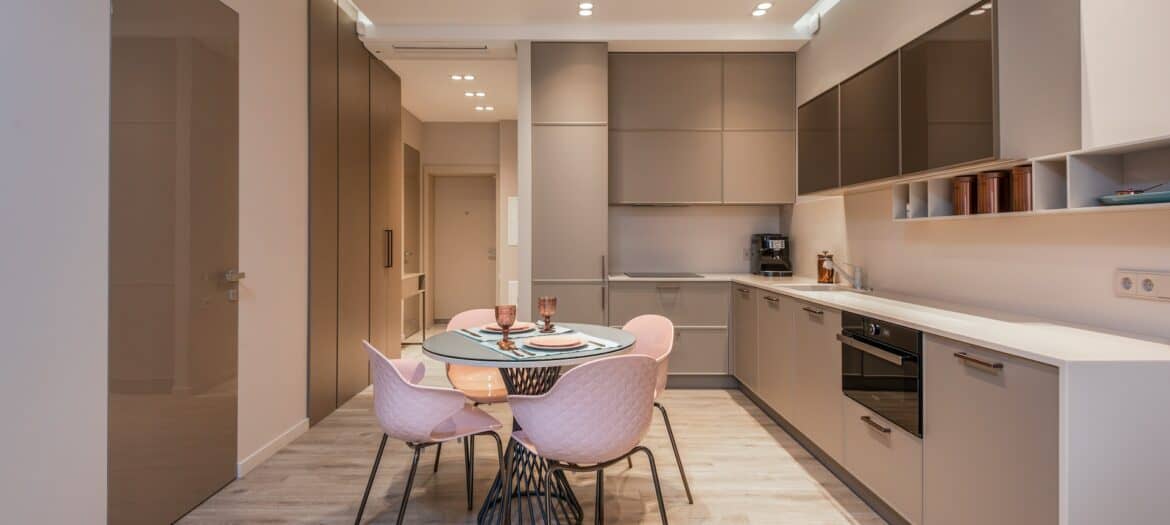
Question: What Are the Cons of Refacing Kitchen Cabinets?
Answer: The main cons of refacing kitchen cabinets are that it doesn’t change your kitchen’s layout or fix internal cabinet issues. The cost can be surprisingly high, sometimes approaching that of new budget cabinets, and you’re limited by the condition of the original cabinet boxes.
Disadvantages of Kitchen Cabinet Refacing
Kitchen cabinet refacing presents itself as a popular and cost-effective way to update a dated kitchen. The process involves keeping the existing cabinet boxes while replacing the doors, drawer fronts, and hardware. A new veneer or laminate is then applied to the exterior of the boxes to match the new fronts. This method promises a dramatic transformation without the disruption and expense of a full cabinet replacement. Many homeowners see it as an ideal middle ground for a kitchen refresh.
However, this popular renovation solution has significant drawbacks. Before you commit, it is important to understand the potential cons of refacing kitchen cabinets. These disadvantages range from structural limitations and design inflexibility to costs that can approach those of new cabinets. The process might not be suitable for every kitchen, and in some cases, it can be a poor investment. Hidden issues can remain concealed, and you are ultimately stuck with your original kitchen layout.
This article explores the specific problems you might encounter with cabinet refacing. We will examine the limitations tied to your existing cabinet structure, the inflexibility of your kitchen’s layout, and the true costs involved. By understanding these potential downsides, you can make a more informed decision. You can accurately determine if refacing aligns with your renovation goals, budget, and the long-term vision you have for your kitchen space.
Structural Integrity of Existing Cabinets Is Crucial
Cabinet refacing is fundamentally a cosmetic update. Its success depends entirely on the condition of your existing cabinet boxes, also known as carcasses. If these structures are not sound, refacing is like putting a bandage on a serious wound. The new doors and veneer will not fix underlying structural problems. Cabinets made from low-grade particleboard that is chipping, sagging, or has lost its integrity cannot properly support new doors or hold screws securely over time.
Water damage is another critical issue that makes cabinets unsuitable for refacing. Leaks from sinks, dishwashers, or pipes can cause wood or particleboard to swell, warp, and delaminate. This damage compromises the strength of the cabinet box and can lead to mould or mildew growth. Simply covering up water-stained surfaces with a new veneer traps moisture and ignores the root cause. A professional refacing company will refuse to work on cabinets with significant structural or water damage, as the final product would be poor.
Before considering refacing, you must conduct a thorough inspection of your cabinets. Check for these warning signs:
-
Sagging Shelves or Bottoms
This indicates the material is weak and cannot bear weight effectively. -
Wobbly or Unstable Boxes
The cabinet boxes should be firmly attached to the wall and feel sturdy. -
Signs of Water Damage
Look for stains, discolouration, or a soft, spongy texture, especially under the sink. -
Difficult Drawer Operation
Drawers that stick or do not slide smoothly can signal warped frames or failing hardware.
Click the link for more information on kitchen refacing near me
Related Article: Does Cabinet Refacing Include Painting?
Related Article: Can You Reface Really Old Kitchen Cabinets?
The Final Cost Can Be Surprisingly High
Cabinet refacing is often advertised as a budget-friendly alternative to a full replacement, but this is not always the case. The final price can escalate quickly, diminishing the perceived savings. The primary cost drivers are the materials you select and the amount of professional labour required. While a basic laminate or thermofoil finish is affordable, choosing solid wood doors, high-end veneers, or custom colours will increase the price substantially. When you add the cost of new hardware like handles and knobs, the total can become quite high.
Furthermore, the initial quote may not cover everything. Hidden costs often emerge once the project begins. For example, if the contractor discovers that your cabinet boxes need repairs before they can apply the new veneer, you will face extra charges. Upgrades such as new drawer boxes, soft-close hinges, or pull-out shelves are typically add-ons that are not included in the base price. These small additions can accumulate, bringing the total cost of refacing surprisingly close to the price of brand-new, mid-range stock cabinets from a home improvement store.
It is vital to compare quotes carefully. Homeowners should consider these factors that increase the price:
-
Premium Materials
Solid wood veneers and doors cost significantly more than laminate options. -
Extensive Labour
A large kitchen with many cabinets and drawers requires more time and labour to reface. -
Necessary Upgrades
Replacing old drawer boxes or adding modern hardware will inflate the final bill.
Customization and Style Choices Are Limited
While refacing gives your kitchen a fresh look, it imposes considerable design limitations compared to a full cabinet replacement. You are bound by the fundamental structure and style of your existing cabinets. For example, you cannot change a traditional raised-panel door configuration to a sleek, modern flat-panel design without it looking awkward on the old cabinet frames. You are essentially putting a new “skin” on an old body, and the underlying form remains the same.
Your choice of materials and finishes, while broad, is not limitless. You must select from the catalogue of options your refacing company provides. This might mean you cannot find the exact shade of blue or the specific wood grain you envisioned for your kitchen. With a full cabinet replacement, your options are virtually endless. You can choose any colour, material, style, and finish from countless manufacturers, ensuring a perfect match for your design vision. Refacing forces you to compromise.
The interior of the cabinets also remains unchanged. If your cabinet interiors are old, stained, or made of a dark material, they will contrast with your bright new doors every time you open them. Some companies offer to paint or veneer the interiors, but this adds another layer of cost and complexity to the project. This is another area where the cons of refacing kitchen cabinets become apparent. New cabinets provide a clean, consistent look both inside and out from day one.
Refacing Can Conceal Deeper Problems
A significant risk associated with cabinet refacing is its potential to hide serious underlying issues. The process involves covering the existing cabinet boxes, which means you may be sealing in problems like mould, mildew, water damage, or even pest infestations. These issues are often discovered only during a full demolition when old cabinets are removed from the walls. A full replacement provides a crucial opportunity to inspect the wall cavities, address any damage, and ensure your kitchen is healthy and safe.
By choosing to reface, you forfeit this opportunity. Covering up mould with a new veneer does not solve the problem; it simply hides it from view. The mould can continue to grow, potentially affecting your home’s air quality and posing health risks to your family. Similarly, concealing evidence of termites or other pests allows the infestation to continue unchecked, which can lead to widespread structural damage over time. The short-term aesthetic gain of refacing is not worth the long-term risk of ignoring these potential hazards.
This is especially true in older homes, where hidden problems are more likely to exist. A reputable refacing contractor may point out visible damage, but they cannot see what is happening behind the cabinets or inside the walls. A complete cabinet tear-out is the only way to be certain that the area is clean, dry, and free from pests. This peace of mind is one of the most valuable benefits of opting for a full cabinet replacement over a cosmetic refacing job.
Choosing Between Refacing and Full Cabinet Replacement
Deciding on the best path for your kitchen renovation requires a careful look at the cons of refacing kitchen cabinets. This method offers a fast and effective aesthetic update, but only when the conditions are right. Refacing is a logical choice if your current kitchen layout is highly functional, your cabinet boxes are in excellent structural condition, and your primary goal is a visual refresh. It allows you to achieve a new look with less disruption and often at a lower initial cost than a full remodel.
If your needs go beyond surface-level changes, the disadvantages become much more significant. If you want to improve your kitchen’s workflow, add an island, or integrate modern storage solutions, refacing will not meet your goals. Similarly, if you have any concerns about the integrity of your cabinets or suspect hidden issues like water damage, a full replacement is the safer and smarter long-term investment. This path gives you complete design freedom and the assurance that your new kitchen is built on a solid, healthy foundation.
Your choice should align with your budget, project scope, and long-term satisfaction. We recommend getting detailed quotes for both refacing and new mid-range cabinets. You may find the price difference is smaller than anticipated, especially when you account for the unlimited customization and functional improvements that new cabinets offer. Understanding these drawbacks empowers you to ask contractors the right questions.

Blue Malue Get in touch with Blue here.