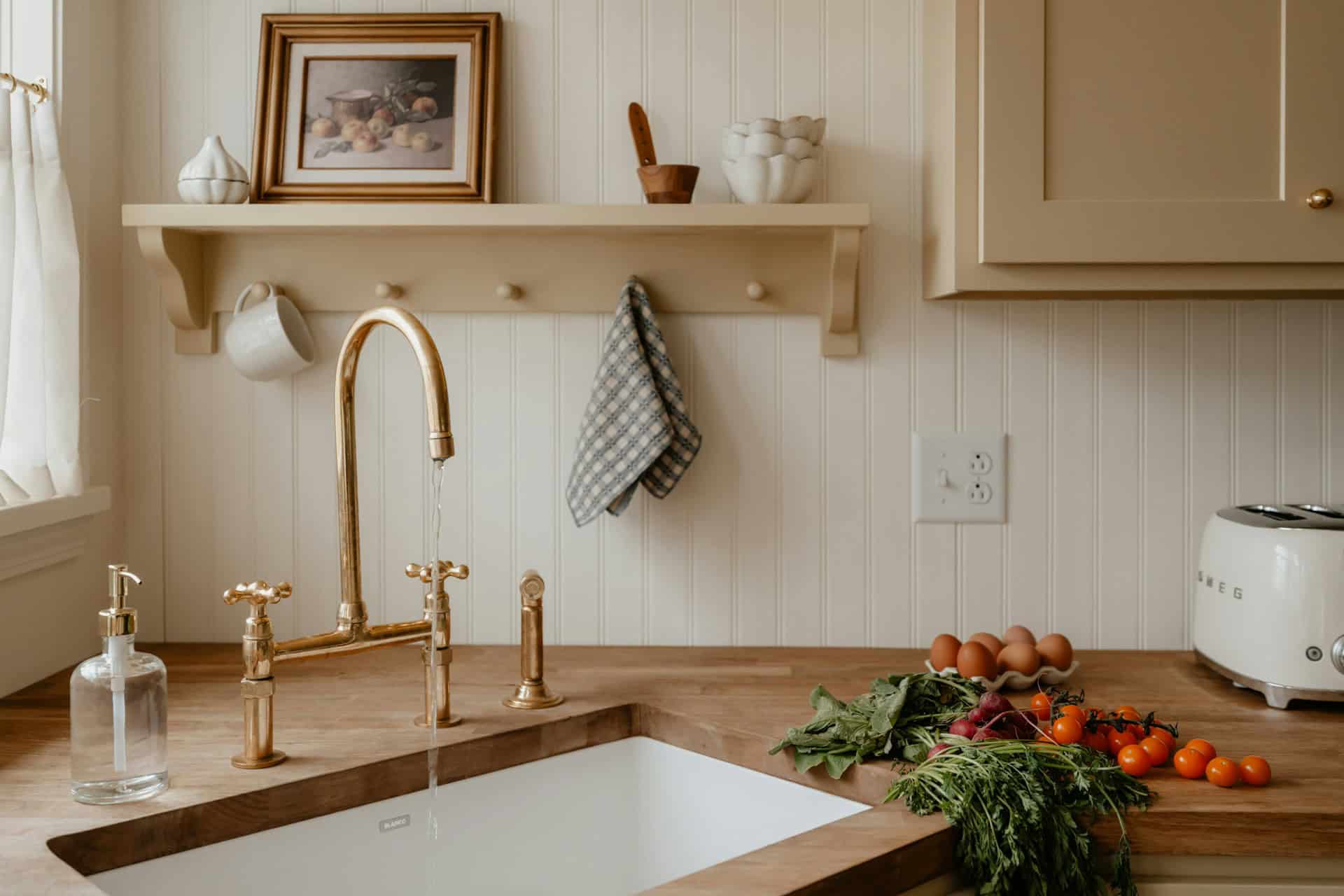
Question: What Are the Three Types of Kitchen Sinks?
Answer: The three main types of kitchen sinks, based on installation, are: drop-in (top-mount), undermount, and farmhouse (apron-front). Each offers a distinct aesthetic and interacts with countertops differently to define your kitchen’s style.
The Three Main Types of Kitchen Sinks
The kitchen sink is a central feature of your daily routine. You use it for preparing food, washing dishes, and cleaning up. Selecting the right sink is a critical decision in any kitchen design or renovation project. Your choice affects both the look of your kitchen and its overall functionality. Understanding the primary installation styles helps you make an informed decision that suits your space, budget, and lifestyle. This article explains the three main types of kitchen sinks to guide your selection process.
The main categories for kitchen sinks are defined by their installation method. These methods determine how the sink fits with your countertop and cabinetry. The three principal types are drop-in (top-mount), undermount, and farmhouse (apron-front) sinks. Each style offers unique benefits and presents different aesthetic and practical considerations. Examining these options will help you identify the perfect sink that integrates seamlessly with your countertop material, your cabinetry, and the way you use your kitchen every day.
The Drop-In Sink: A Traditional and Practical Choice
A drop-in sink, also known as a top-mount or self-rimming sink, is a very common type. Installers place this sink into a pre-cut hole in the countertop from above. The sink’s weight is supported by its visible rim, which rests on the countertop surface. This rim creates a finished edge and seals the gap between the sink and the counter. The installation process is straightforward, making it a popular choice for do-it-yourself projects and budget-conscious renovations.
The primary advantage of a drop-in sink is its versatility. It is compatible with every type of countertop material, including laminate, which cannot support other sink types. Drop-in sinks are generally the most affordable option, both in terms of the unit price and installation cost. However, the raised rim can be a drawback. It can trap food particles and water, which makes cleaning the surrounding counter area more difficult. You cannot sweep crumbs or spills directly from the counter into the sink basin. Despite this, its ease of installation and wide availability make it a reliable choice for many kitchens.
Click here for more information on Toronto cabinet refacing
Related Article: What Kitchen Sink Type Is Most Affordable?
Related Article: Which Is Better, a 16 or 18 Gauge Kitchen Sink?
The Farmhouse Sink: A Bold and Ergonomic Statement
A farmhouse sink, often called an apron-front sink, is distinguished by its large, forward-facing front panel. Unlike other sinks that are surrounded by countertop material, a farmhouse sink replaces a section of the countertop and cabinet front. This design element makes it a prominent and stylish focal point in the kitchen. Originally designed for comfort and utility, these sinks are deep and spacious, easily accommodating large pots, pans, and baking sheets.
The ergonomic benefit is a major draw. The apron front sits closer to you, so you do not have to lean forward over a piece of countertop to use the sink. This can reduce back strain during long periods of washing dishes. Farmhouse sinks come in various materials, including classic fireclay, stainless steel, and even copper. However, they require specific modifications to your cabinetry for support. Installation is complex and typically more expensive. The front panel can also be prone to drips and splashes, requiring regular wiping to keep it clean.
Comparing Key Features of Each Sink Type
Choosing between a drop-in, undermount, or farmhouse sink depends on your priorities. Each type has distinct characteristics related to installation, cost, and daily use. A direct comparison can help clarify which option best fits your kitchen project. By evaluating these factors side-by-side, you can align your choice with your countertop material, budget, and desired kitchen aesthetic. This comparison highlights the most important differences you need to consider.
-
Installation and Countertops
Drop-in sinks offer the simplest installation and work with all countertop materials. Undermount sinks need a solid surface material like stone or quartz for support and require a more precise, professional installation. Farmhouse sinks are the most complex, as they need a special base cabinet designed to hold their weight and accommodate the exposed apron front. -
Cleaning and Maintenance
Undermount sinks are the easiest to clean. Their seamless design allows you to wipe messes directly into the basin. Drop-in sinks have a rim that can collect grime and requires careful cleaning. Farmhouse sinks are easy to clean inside, but their exposed front may need frequent wiping to manage splashes and water marks. -
Cost and Budget
In terms of cost, drop-in sinks are typically the most affordable option. Undermount sinks usually have a higher price tag for both the sink and the professional installation. Farmhouse sinks are often the most expensive choice due to the sink’s size, material, and the need for custom cabinetry.
Essential Kitchen Sink Materials
Beyond the installation type, the material of your kitchen sink greatly influences its durability, appearance, and maintenance requirements. The right material will complement your kitchen’s style and withstand the demands of daily use. From classic stainless steel to elegant fireclay, each option provides a different set of qualities. Considering the material is just as important as choosing the sink type, as it affects the overall performance and longevity of this essential kitchen fixture.
Stainless steel is a popular and versatile choice, known for its resistance to heat and stains. It is available in various gauges; a lower gauge number means thicker, more durable steel. Cast iron sinks have a glossy enamel finish that is durable and easy to clean, but it can chip if heavy objects are dropped. Fireclay is a traditional material for farmhouse sinks, prized for its resistance to scratches and chipping. Granite or quartz composite sinks offer exceptional durability, resisting scratches, heat, and stains, and they come in a wide range of colours to match any countertop.
Finalizing Your Kitchen Sink Decision
Choosing the right kitchen sink involves balancing your aesthetic preferences, practical needs, and budget. Reflecting on the three main types of kitchen sinks—drop-in, undermount, and farmhouse—provides a clear framework for your decision. A drop-in sink is a practical, cost-effective solution compatible with any countertop. An undermount sink offers a sleek, modern look and makes countertop cleaning incredibly easy, provided you have a solid surface counter. A farmhouse sink delivers a bold style statement with a large, ergonomic basin but requires a bigger budget and specialized cabinetry.
Consider your daily kitchen activities to make the best choice. If you frequently wash large pots and pans, the deep basin of a farmhouse sink might be ideal. If you value quick and easy cleanup, the seamless design of an undermount sink is a strong contender. For a straightforward, budget-friendly update, the classic drop-in sink remains a reliable option. Ultimately, your kitchen sink is a long-term fixture. A thoughtful choice will enhance your kitchen’s usability and visual appeal for years, making your daily tasks more efficient and enjoyable.

Blue Malue Get in touch with Blue here.