Question: What Can Damage a Porcelain Kitchen Sink?
Answer: Porcelain kitchen sink damage is caused by: heavy impacts from cookware (chipping), abrasive cleaners and steel wool (scratching), harsh chemicals like bleach (staining), and sudden extreme temperature changes (cracking).
What Damages a Porcelain Kitchen Sink
A porcelain kitchen sink offers a classic, timeless look that complements many kitchen designs. Homeowners choose porcelain for its durable, glossy finish and its resistance to fading. The smooth, non-porous surface is also hygienic and relatively easy to clean. This material consists of a cast iron or metal base coated with a thick layer of porcelain enamel, which is essentially powdered glass fused at a very high temperature. This process creates a hard, resilient shell that stands up well to daily use, providing years of reliable service and aesthetic appeal in the heart of your home.
Despite its strength, a porcelain sink is not indestructible. Certain actions and substances can compromise its beautiful surface, leading to chips, scratches, stains, or a dull appearance. Understanding these potential hazards is the first step toward effective prevention and long-term care. Knowing what can damage a porcelain kitchen sink helps you adopt simple habits that protect your investment. This article explores the common causes of damage, from physical impacts to chemical reactions, and provides practical advice to maintain your sink’s pristine condition. Proper care ensures your sink remains a functional and attractive kitchen centrepiece for a long time.
Impact and Scratches from Heavy Objects
One of the most common ways to damage a porcelain kitchen sink is through direct physical impact. The hard enamel surface is strong, but it can be brittle. Accidentally dropping a heavy cast iron skillet, a dense ceramic pot, or even a large can of food can easily chip the porcelain. These chips expose the dark metal base underneath, creating an unsightly mark that is difficult to repair. A significant impact can also cause hairline cracks to form in the enamel, which can spread over time and compromise the sink’s integrity. These cracks trap dirt and moisture, leading to further staining and potential rust issues.
Scratches and scuff marks are another frequent concern. While routine use of cutlery is unlikely to cause harm, dragging heavy or rough items across the sink’s surface can. Cast iron cookware is a primary offender, often leaving behind dark grey or black marks. These marks are typically metal deposits transferred onto the porcelain, not deep scratches. However, abrasive items like scouring pads or utensils with sharp, unfinished edges can create fine scratches that dull the glossy finish. Over time, these micro-abrasions accumulate, making the sink appear worn and harder to keep clean as they trap grime and stains.
-
Use a Protective Sink Grid
A stainless steel or rubber-coated sink grid sits on the bottom of the basin. It provides a cushion that absorbs the shock from dropped items and prevents direct contact with heavy cookware.
-
Handle Cookware Carefully
Always lift heavy pots and pans out of the sink instead of sliding them. When washing, place them gently into the basin to avoid accidental drops that could cause chips or cracks.
-
Avoid Dropping Sharp Items
Be mindful when handling knives, forks, and other sharp utensils. A pointed tip falling from a height can easily create a small but noticeable chip in the porcelain enamel surface.
Click here for more information on kitchen cabinet refinishing in Toronto
Related Article: What Are the Disadvantages of a Porcelain Kitchen Sink?
Related Article: Do Porcelain Kitchen Sinks Crack Easily?
Chemical Damage from Harsh Substances
The glossy enamel of a porcelain sink is also vulnerable to damage from harsh chemicals. While the surface is generally resistant, prolonged exposure to strong acids or alkalis can cause permanent harm. Common household products like bleach, ammonia-based cleaners, and aggressive drain openers contain powerful chemicals that can etch or discolour the porcelain. If these substances are left to sit in the sink, they can strip away the glaze, leaving a dull, rough patch. This damage is irreversible and makes the affected area prone to staining. It is critical to rinse the sink thoroughly with water immediately after any contact with these types of potent chemicals.
You should also be cautious with certain food items. Highly acidic foods, such as lemons, limes, tomatoes, and vinegar, can also etch the surface if left for extended periods. While a quick splash of lemon juice is unlikely to cause a problem, leaving a cut lemon sitting on the sink’s surface overnight could result in a permanent dull spot. The same principle applies to rust removers and other specialty cleaners that contain strong acids. Always read product labels carefully and test them on an inconspicuous area first. When a chemical spill occurs, swift action is key to preventing lasting damage to your porcelain kitchen sink.
Staining from Foods and Drinks
A pristine white porcelain sink provides a beautiful contrast in the kitchen, but it can also highlight stains easily. While a new sink’s glaze is highly resistant to staining, this resistance can diminish over time, especially if the surface has been compromised by scratches or abrasive cleaners. An older or worn sink becomes more porous, allowing pigments from foods and drinks to penetrate the surface. Common culprits include coffee grounds, tea bags, red wine, grape juice, and berries. Leaving these substances in the sink for even a short time can result in noticeable discolouration that requires targeted cleaning to remove.
Tomato-based sauces and spices like turmeric are also known for their potent staining ability. Another frequent issue is rust stains. These orange or brown marks often appear when wet metal objects, such as steel cutlery, tin cans, or cast iron pans, are left in the sink. The moisture causes the metal to oxidize, and the resulting rust transfers directly onto the porcelain. Preventing these stains is much easier than removing them. Rinsing the sink thoroughly after each use, especially after contact with staining agents, is the most effective preventative measure. This simple habit keeps pigments and rust particles from setting into the sink’s surface.
Thermal Shock and Extreme Temperatures
Porcelain sinks are fired at extremely high temperatures during manufacturing, which gives them excellent heat resistance for everyday use. However, they are not immune to the effects of rapid and extreme temperature changes, a phenomenon known as thermal shock. This occurs when a very hot object or liquid comes into contact with a much cooler sink surface. The sudden temperature difference causes the material to expand or contract unevenly, creating immense stress on the enamel. This stress can result in fine cracks, or in severe cases, a large fracture that ruins the sink entirely. The risk is higher in colder climates where tap water can make the sink’s surface quite cool.
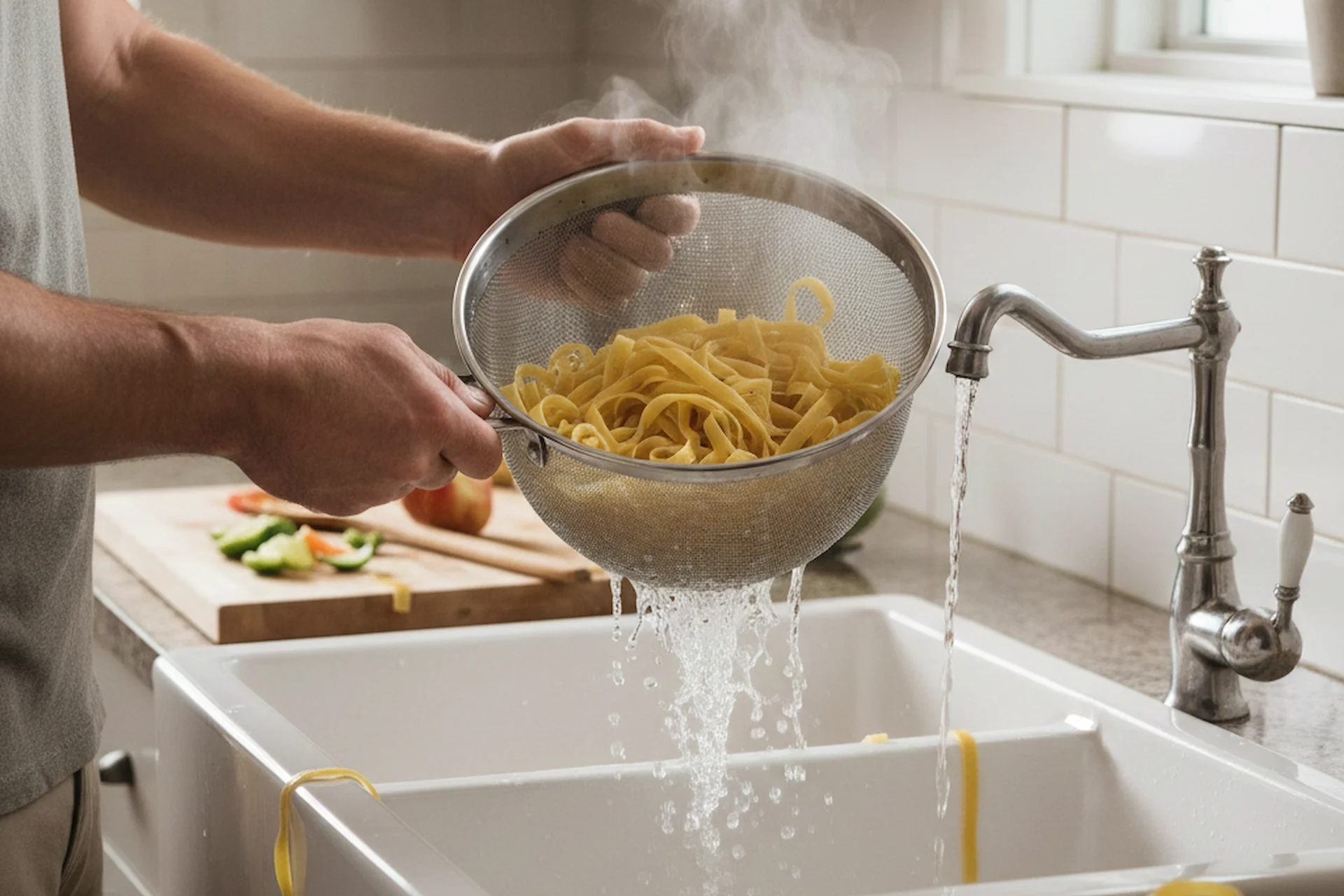
A classic example of what can damage a porcelain kitchen sink is pouring a large pot of boiling water directly into a dry, cool basin. This is a common action after cooking pasta or boiling vegetables. The sudden blast of heat can be enough to cause immediate cracking. To prevent thermal shock, you should always run cool or lukewarm tap water into the sink while you pour out boiling liquids. The running water helps to moderate the temperature change, allowing the sink’s surface to warm up more gradually and reducing the risk of stress fractures. This small, precautionary step can save you from a costly replacement and extend the life of your sink significantly.
Protecting Your Porcelain Sink for Longevity
Preserving the beauty and function of your porcelain kitchen sink requires a proactive approach to care. The greatest threats are often avoidable and relate to daily habits. Physical impacts from heavy cookware, scratches from abrasive pads, and chemical etching from harsh cleaners all contribute to the gradual decline of the sink’s finish. Understanding what can damage a porcelain kitchen sink is the most important part of its maintenance. By avoiding these common pitfalls, you can easily protect its glossy enamel and prevent chips, stains, and dullness. Simple preventative measures make a significant difference in its long-term appearance and durability.
Consistent, gentle cleaning is far more effective than occasional aggressive scrubbing. Rinse the sink with water after preparing food, especially after contact with coffee, tea, or acidic ingredients. Use a soft cloth and mild dish soap for daily wiping. For tougher stains, a paste of baking soda and water offers a safe and effective solution. Placing a protective grid at the bottom of the basin minimizes the risk of chips from dropped dishes. By integrating these simple practices into your routine, you directly answer the question of how to care for your sink. This mindful approach ensures your porcelain sink remains a bright, elegant, and reliable fixture in your kitchen for many years.

Blue Malue Get in touch with Blue here.