Question: What Cannot Go Into a Garbage Disposal?
Answer: Things that cannot go into a garbage disposal include grease, fats, oils, bones, or fibrous vegetables like celery. Also avoid starchy foods like pasta and potato peels, coffee grounds, and fruit pits. These items can clog pipes, jam the motor, and cause significant plumbing damage.
What Your Garbage Disposal Can Handle
A garbage disposal offers incredible convenience in the modern kitchen. It quickly breaks down food scraps, which simplifies cleanup and reduces kitchen waste. Many people, however, treat their disposal like a mechanical trash bin. This misunderstanding often leads to frustrating clogs, expensive plumbing repairs, and a shorter lifespan for the appliance. Knowing what cannot go into a garbage disposal is essential for maintaining a healthy plumbing system. Your unit is not designed to grind up every type of kitchen waste.
The internal components of a garbage disposal are not sharp blades like a blender. Instead, it uses blunt impellers (or lugs) on a spinning plate. These impellers force food waste against a stationary grind ring, which pulverizes the particles until they are small enough to pass through with running water. This process works well for soft, biodegradable food scraps. However, certain materials can jam the motor, clog the drains, or damage the grinding components. This article provides a clear list of items you should never put down your garbage disposal to protect your investment and prevent plumbing emergencies.
Avoid Hard and Stringy Food Waste
Many common food items are too hard or fibrous for a garbage disposal to process effectively. These materials can jam the motor, dull the impellers, and create significant blockages in your pipes. Hard objects act like rocks in the system, causing the motor to strain or stop completely. Fibrous materials are even more deceptive. They do not grind down properly. Instead, they wrap around the impellers, creating a tangled mess that prevents the unit from spinning. Protecting your disposal starts with keeping these damaging food scraps out of your sink drain.
You can avoid many common issues by disposing of these items in your compost or garbage bin. Pay close attention to the texture and density of food waste before you let it go down the drain. This simple habit saves you from unexpected repair calls.
-
Bones
Small chicken or fish bones might seem manageable, but they are too dense. They will rattle around in the disposal chamber and fail to grind down. Larger bones from beef or pork can cause immediate jams and seriously damage the motor. -
Fruit Pits and Seeds
Hard pits from peaches, avocados, cherries, and plums are not grindable. They behave like stones in the unit. Trying to grind them will create a loud noise and could break the impellers. -
Corn Cobs and Husks
Corn cobs are too tough and fibrous for a disposal to handle. The stringy fibres from corn husks will wrap tightly around the moving parts, leading to a tangled motor that will burn out. -
Celery, Asparagus, and Rhubarb
These vegetables contain long, stringy fibres. Much like corn husks, these strings separate during grinding and create a net-like clog that stops the motor and blocks the drainpipe.
Click here for more information on kitchen cabinet refacing Toronto
Related Article: How Do I Sharpen My Garbage Disposal Blades?
Related Article: Does Bleach Damage a Garbage Disposal?
The Dangers of Grease, Oil, and Fat
Grease, oil, and fat are some of the most harmful substances you can put down any drain, with or without a garbage disposal. In their warm, liquid state, they seem harmless. You might pour bacon grease or leftover cooking oil down the sink without a second thought. However, as the liquid cools, it solidifies. This process happens inside your pipes, creating a waxy, sticky coating along the interior walls. This buildup does not happen overnight. It is a gradual accumulation that slowly narrows the diameter of your pipes.
This greasy coating acts like a magnet for other debris. Small food particles, coffee grounds, and other waste get trapped in the sticky layer, forming a large, solid blockage. These types of clogs are very difficult to clear with household tools. They are a leading cause of sewer line backups, which can affect your entire home and even your neighbours. The correct way to dispose of fats and oils is to pour them into a sealable container, let them cool and solidify, and then throw the container in the trash.
Common Items That Wreck Your Disposal
Many people mistakenly believe their garbage disposal can handle certain non-food or borderline food items. Some of these materials are subjects of popular myths, while others are simply put down the drain out of convenience. These items often do not break down properly. Instead, they accumulate in your pipes or cause direct damage to the disposal’s mechanical parts. Learning what cannot go into a garbage disposal includes understanding why these specific items are so problematic. Avoiding them is crucial for the long-term health of your appliance.
Even small amounts of these materials can contribute to larger problems over time. It is always safer to use your trash or compost bin for anything you are unsure about. This practice ensures your disposal runs efficiently for years.
-
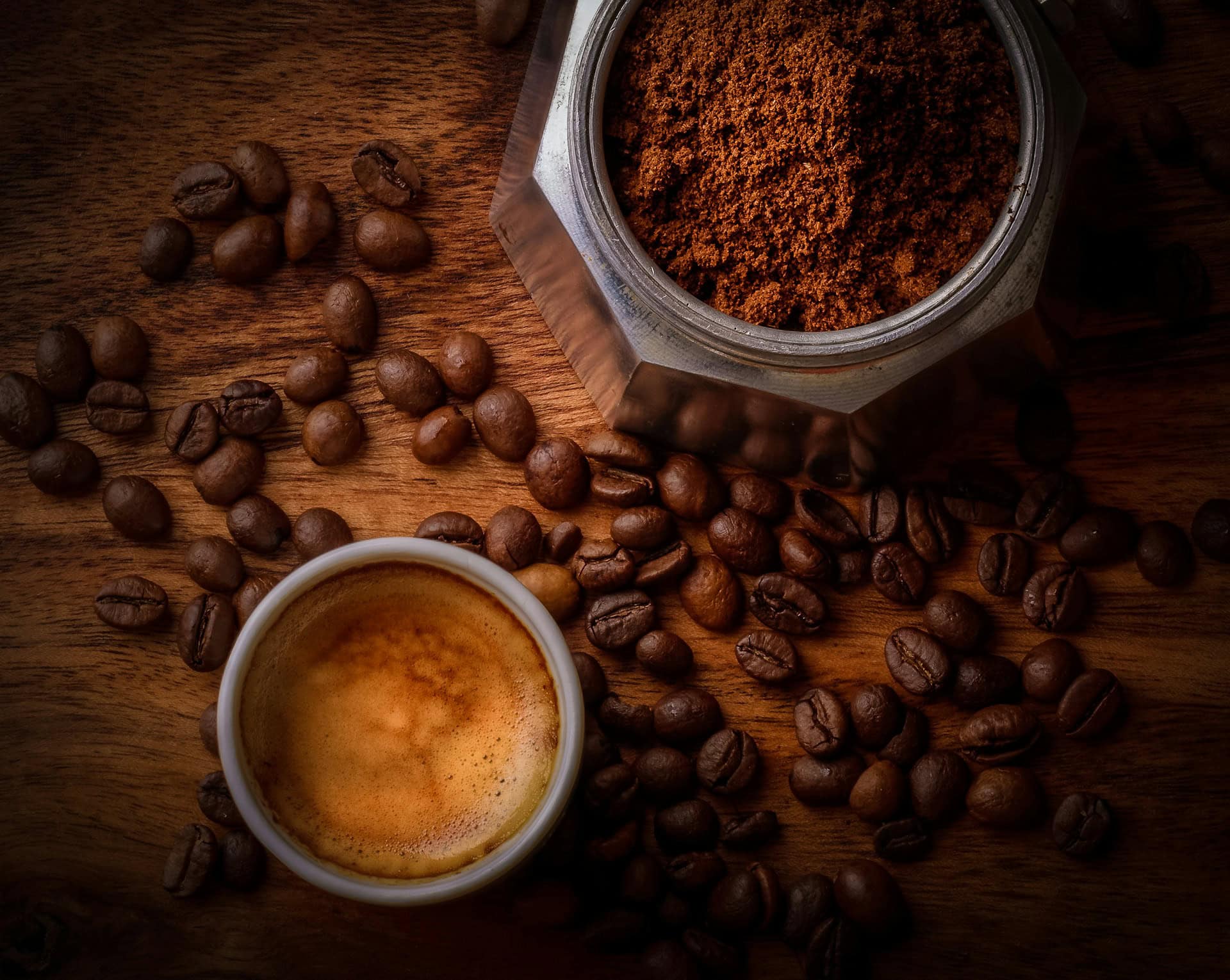
Coffee Grounds
A common myth suggests coffee grounds are good for your drain. The opposite is true. Coffee grounds do not dissolve in water. They clump together and form a dense, sedimentary sludge that builds up in your pipes, leading to slow drains and clogs. -
Eggshells
Another myth is that eggshells sharpen the disposal’s impellers. This is false. The impellers are blunt by design. The bigger issue is the shell’s thin, stringy membrane, which can get caught around the moving parts or stick to the pipes, contributing to clogs. -
Paper, Plastic, and Glass
Your garbage disposal is designed for food waste only. Materials like paper towels, food wrappers, plastic straws, and glass fragments will not grind. They will damage the unit, break components, and cause immediate blockages.
Safe Cleaning for Your Garbage Disposal
Keeping your garbage disposal clean is important for preventing odours and ensuring it runs smoothly. However, you should never use harsh chemicals to clean it. Products like industrial-strength drain cleaners and bleach can cause serious damage. These corrosive substances can eat away at the metal components of the disposal, ruin the seals, and degrade your plastic pipes. They also pose a significant hazard to the environment when they enter the water system. A clean disposal does not require aggressive chemicals.
Thankfully, there are several safe and effective methods to clean and deodorize your unit using common household items. Regular, gentle cleaning prevents grime buildup and keeps your kitchen smelling fresh. Adopt these simple habits to maintain your appliance without resorting to harmful chemicals. These methods are better for your disposal, your pipes, and the planet.
-
Use Ice Cubes and Salt
Throw a few handfuls of ice cubes into the disposal, add a tablespoon of coarse salt, and run it with cold water. The ice helps knock off stubborn food residue from the impellers, while the salt acts as a gentle scour. -
Deodorize with Citrus Peels
Grinding peels from lemons, limes, or oranges leaves a fresh, clean scent in your sink. The citric acid also helps to clean the internal components naturally. Cut the peels into small pieces before putting them in. -
Clean with Baking Soda and Vinegar
Pour half a cup of baking soda into the disposal, followed by a cup of white vinegar. Let the mixture fizz for about 10 minutes. This action helps break down grease and food buildup. Finish by flushing the unit with hot water.
Maintaining a Healthy Garbage Disposal
A garbage disposal is a powerful kitchen tool, but it requires proper care to function correctly. Understanding what cannot go into a garbage disposal is the most important step toward preventing clogs and extending its life. By keeping hard, fibrous, starchy, and greasy foods out of your drain, you avoid the most common causes of plumbing problems. Remember that your disposal is not a substitute for a trash can. It is designed specifically to process small, soft food particles that easily flush through your plumbing system.
Consistent, mindful use is the key to a long-lasting appliance. Always run a strong flow of cold water before, during, and for at least 20 seconds after you use the disposal. Cold water helps keep fats solid so they can be chopped up and washed away more effectively. Cutting larger food scraps into smaller, more manageable pieces also helps the unit operate efficiently. By following these simple guidelines, you can enjoy the convenience of your garbage disposal for many years without facing the headache and expense of a serious clog or breakdown. Proper care protects your appliance and your home’s entire plumbing system.

Blue Malue Get in touch with Blue here.