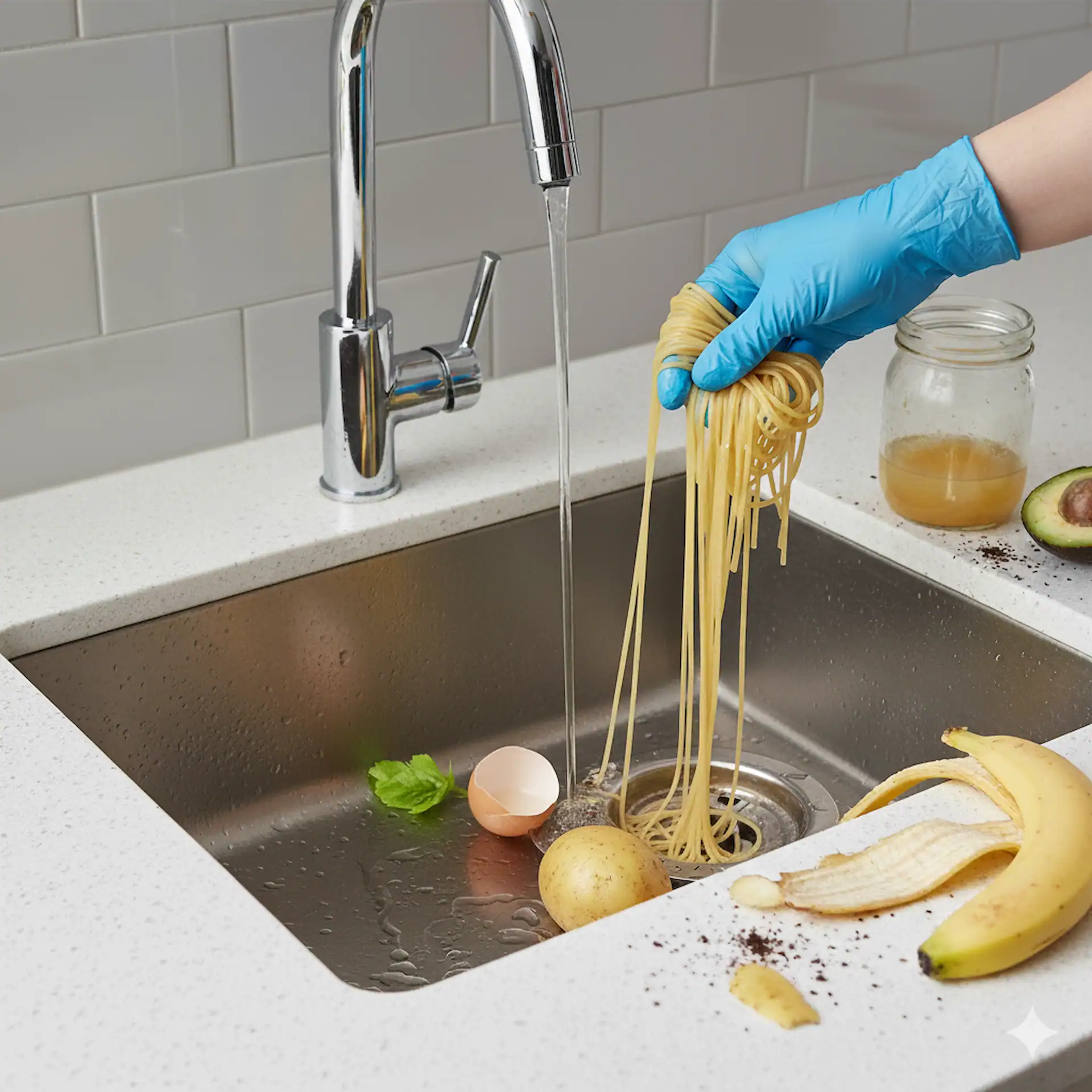
Question: What Foods Not to Put Down a Garbage Disposal?
Answer: Foods you should not put down a garbage disposal include grease, oil, and fats, which solidify and clog pipes. Also, do not dispose of fibrous vegetables (celery), starchy foods (pasta, rice), coffee grounds, bones, or eggshells, as they can wrap around blades or create sludge, causing blockages and damage to the unit.
Foods You Should Never Put Down a Garbage Disposal
A garbage disposal is a convenient kitchen appliance. It shreds food waste into small pieces that can pass through plumbing. Many people, however, misunderstand its capabilities. They treat it like a trash can, putting items down the drain that cause serious damage. This misuse leads to clogged pipes, broken machinery, and expensive plumbing repairs. Understanding what foods not to put down a garbage disposal is essential for a healthy plumbing system and a long-lasting appliance.
Your garbage disposal uses a spinning plate with small metal impellers, or lugs, to grind food scraps. It does not have sharp blades like a blender. The impellers force food against a stationary grind ring, which pulverizes the waste. Certain foods can interfere with this process. They can wrap around the impellers, create thick sludge in your pipes, or dull the grinding components. Knowing the difference between safe and harmful foods protects your investment. This knowledge prevents inconvenient clogs and keeps your kitchen running smoothly.
Greasy, Oily, and Fatty Foods
You should never pour fats, oils, or grease (FOG) down your garbage disposal or any drain. While these substances are liquid when hot, they quickly cool and solidify inside your pipes. This process creates a thick, sticky buildup along the pipe walls. Over time, other food particles stick to this greasy residue, forming a stubborn blockage that water cannot penetrate. The problem extends beyond your own home, contributing to larger blockages in municipal sewer systems.
Common sources of FOG in the kitchen include bacon grease, cooking oil, lard, butter, margarine, and fat trimmings from meat. Even creamy sauces and salad dressings contribute to the problem. The garbage disposal’s grinding action does nothing to prevent this solidification. In fact, it can emulsify the grease, helping it travel further down the pipes before it hardens. The safest way to dispose of fats and oils is to pour them into a sealable container. Let the grease cool and solidify, then throw the container directly into the trash.
Click here for more information on kitchen cabinet refinishing service
Related Article: Does Bleach Damage a Garbage Disposal?
Related Article: Why Don’t Plumbers Like Garbage Disposals?
Hard Materials That Damage Your Disposal’s Blades
Your garbage disposal is designed to grind soft food scraps, not impenetrable materials. Feeding it hard items is one of the fastest ways to damage its internal components. The metal impellers and the grind ring are strong, but they are not indestructible. Hard objects can dull, chip, or break these parts, making the unit less effective or completely inoperable. The loud, grinding noises you hear when a hard object enters the disposal are a clear sign of mechanical stress and potential damage.
You must avoid putting any type of bone in your garbage disposal. This includes chicken, beef, pork, and fish bones. Fruit pits are another major problem. Large pits from peaches, avocados, nectarines, and cherries will just bounce around inside the chamber, damaging the impellers. Even smaller hard items like nuts, popcorn kernels, and hard seafood shells from crabs or oysters can cause significant wear. These materials belong in your garbage or compost, not down your kitchen sink. Protecting your disposal from these items is key to its longevity.
Coffee Grounds and Eggshells: Common Myths Debunked
Many homeowners believe that certain “problem” foods are actually good for their garbage disposals. Coffee grounds and eggshells are the two most common examples. People often repeat myths that these items sharpen the disposal’s “blades” or help clean the pipes. These claims are incorrect. In reality, both coffee grounds and eggshells can cause serious plumbing issues and do not provide any cleaning or sharpening benefits. Understanding the truth behind these myths helps you make better decisions for your kitchen plumbing.
The Truth About Coffee Grounds
Coffee grounds do not sharpen anything. Instead, they accumulate in your pipes. While they look like fine particles, they do not flush away easily. They clump together and create dense, sediment-like blockages deep within your plumbing system. Over time, this sludge can lead to a very slow or completely stopped drain. Plumbers frequently identify coffee grounds as a primary cause of tough clogs. It is always better to throw used coffee grounds in the trash or add them to your compost pile.
The Problem with Eggshells
The idea that eggshells sharpen disposal impellers is also a persistent myth. The shells are not hard enough to have any sharpening effect. The real issue with eggshells is their thin, stringy inner membrane. This membrane can wrap around the impellers or stick to the sides of the pipes. The ground shell fragments then stick to the membrane, contributing to a gritty, stubborn clog. While a few small pieces might not cause an immediate issue, consistently disposing of eggshells down the drain is a bad practice.
Best Practices for Garbage Disposal Use
Properly using your garbage disposal is simple. It prevents clogs, protects your plumbing, and extends the life of your appliance. The most important rule is to remember the foods you should not put down a garbage disposal. Avoid all grease, oils, fats, starchy expanders like pasta and rice, and fibrous vegetables like celery. Keep hard items like bones and fruit pits out of the sink entirely. By being selective about what you grind, you prevent the most common causes of blockages and mechanical failure. This simple awareness saves you from future headaches and expensive repair bills.
Beyond avoiding harmful foods, you can adopt a few positive habits. First, always run a strong flow of cold water before, during, and after you use the disposal. Cold water helps keep any residual grease solidified so it can be washed away more easily. Second, cut larger food scraps into smaller, more manageable pieces before feeding them into the unit. This reduces strain on the motor. Finally, you can clean your disposal naturally. Grind a few ice cubes to clear away sludge, or grind citrus peels from lemons or oranges to combat odours and leave a fresh scent. Treating your disposal with care ensures it remains a useful kitchen tool for years.

Blue Malue Get in touch with Blue here.