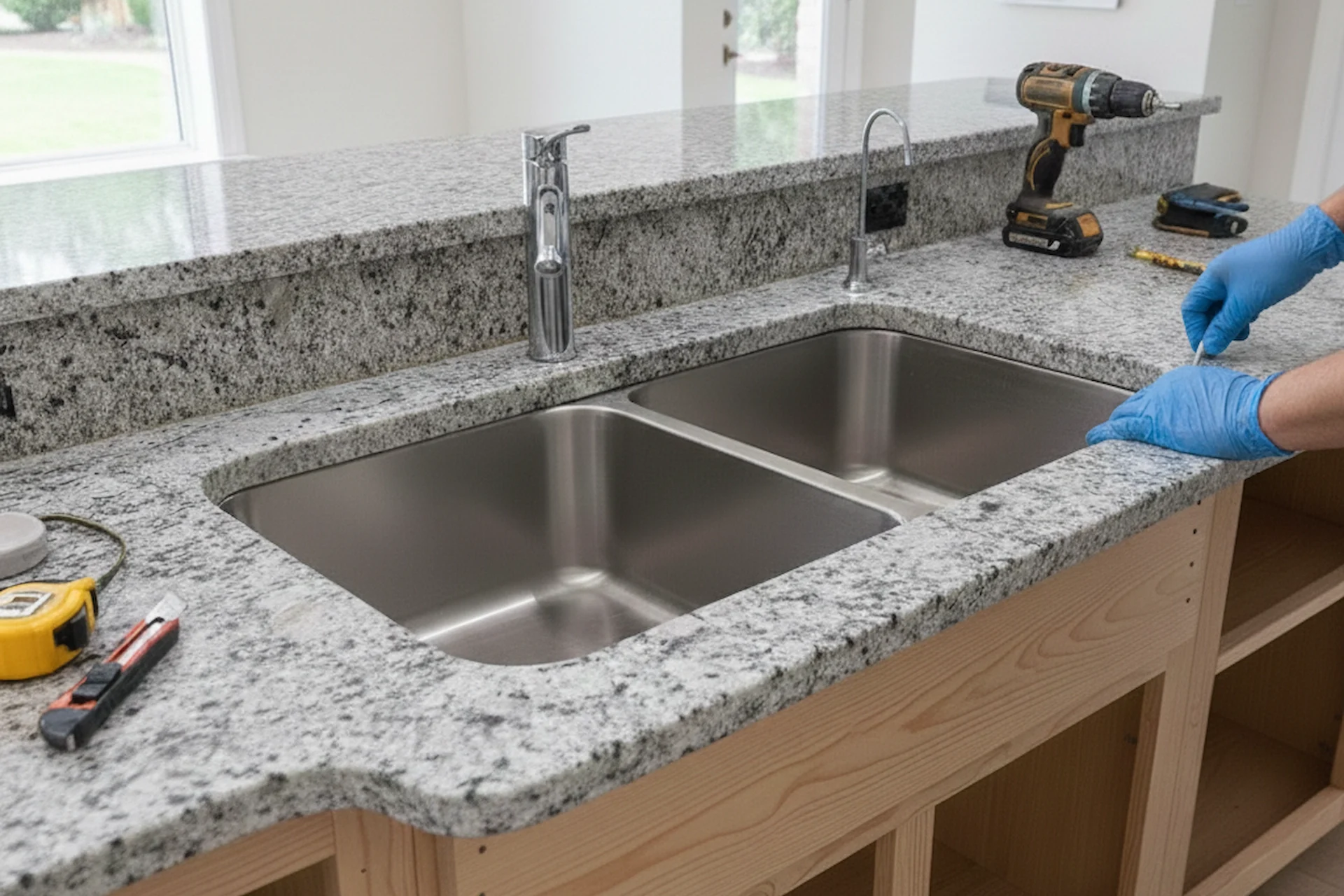
Question: What Holds an Undermount Kitchen Sink in Place?
Answer: Undermount kitchen sink are held in place by a dual system: a strong, waterproof silicone adhesive that bonds it to the countertop, and mechanical clips or brackets. The clips are screwed into the countertop’s underside, providing the primary mechanical support.
How Undermount Sinks Are Secured to Your Countertop
Undermount sinks offer a clean, seamless look in modern kitchens. They install directly beneath the countertop, which allows you to wipe spills and crumbs from the counter straight into the basin. This design is both stylish and practical. However, this installation method creates a unique challenge. The sink has no supportive lip resting on top of the counter. Instead, gravity constantly pulls the sink and its contents downward. A secure and durable attachment is essential to prevent the sink from sagging or detaching over time, which could cause significant water damage.
So what holds an undermount kitchen sink in place against this continuous force? The answer is not a single product but a system of components working together. This system typically involves three key elements. The first is a high-strength adhesive that creates a powerful initial bond and a waterproof seal. The second is a series of mechanical fasteners, such as clips or brackets, that provide the primary physical support. These fasteners clamp the sink firmly to the underside of the countertop. For heavier sinks made from materials like cast iron or fireclay, a third component is often added: a custom-built support frame. This article explains how each of these parts functions to keep your undermount sink secure.
The Primary Role of Adhesives and Sealants
High-strength adhesives are the first line of defence in an undermount sink installation. An installer applies a continuous bead of adhesive around the top rim of the sink before lifting it into its final position. The most common products for this task are 100% silicone sealant or a two-part epoxy. This adhesive performs two important functions. First, it creates a strong initial bond that holds the sink to the bottom of the countertop while the other supports are installed. Second, it forms a flexible and completely waterproof seal. This seal is critical for preventing water from seeping between the sink and counter, which protects your cabinets from moisture damage and mould.
While an adhesive provides an excellent seal, it cannot reliably support the full weight of the sink by itself. Imagine a large sink basin filled with water and a heavy stack of dishes. This load can easily exceed 100 pounds, placing immense downward pressure on the adhesive bond. Over time, factors like heat from hot water, moisture, and vibrations from a garbage disposal can degrade the adhesive. This degradation can weaken the bond and eventually lead to sink failure. For this reason, adhesives always work in tandem with mechanical fasteners. The adhesive acts as the gasket and initial anchor, while the clips provide the necessary long-term structural support.
Click here for more information on kitchen refinishing
Related Article: What Are the Negatives of Undermount Kitchen Sinks?
Related Article: Is It Better to Undermount or Top Mount a Kitchen Sink?
Support Framing for Heavy Sink Materials
Some undermount sinks are too heavy for an installation with only adhesives and clips. Sinks made from dense materials such as cast iron, fireclay, or solid stone composite often require additional support. A large, deep cast iron sink can weigh more than 150 pounds before you add any water or dishes. This extreme weight puts a massive strain on both the countertop and the standard mounting clips. Relying solely on clips anchored into the stone is a risk. Over time, the constant load could cause the countertop to develop stress fractures around the anchor points or even fail completely, allowing the sink to fall.
To manage such a heavy load safely, installers often build a dedicated support frame inside the sink base cabinet. This frame usually consists of two horizontal wood supports, like 2x4s, that run from the front to the back of the cabinet. The installer positions these supports so they sit directly under the left and right flanges of the sink. The sink then rests its entire weight onto this sturdy wooden cradle. This clever method transfers the load away from the countertop and onto the stronger cabinet structure below. A support frame offers the highest level of security for heavy sinks, guaranteeing they remain stable for decades.
Installation Best Practices for a Secure Fit
A successful and durable undermount sink installation relies on a precise sequence of steps. Each stage builds on the previous one to create a secure, waterproof assembly that will last for many years. Skipping steps or using incorrect materials can lead to problems down the road, including persistent leaks or a sink that sags away from the counter. Professionals follow these best practices to ensure a quality result. Understanding this process helps you see exactly what holds an undermount kitchen sink in place and gives you confidence in the work, whether you hire a professional or attempt the project yourself.
The key steps for a reliable installation combine adhesion, mechanical fastening, and sometimes structural support to prevent common failures.
-
Countertop and Sink Preparation
The installer cleans the underside of the countertop and the sink rim with a solvent like denatured alcohol. This action removes any manufacturing oils or construction dust. A perfectly clean surface is essential for the adhesive to form a strong, lasting bond.
-
Adhesive Application
A continuous, even bead of 100% silicone sealant is applied to the top edge of the sink’s rim. The installer ensures there are no gaps in the bead, as this would compromise the waterproof seal. The silicone also provides a slight cushion between the sink and the countertop, which helps absorb small vibrations.
-
Clip Placement and Tightening
After the sink is lifted into place, the installer attaches the mounting clips. They space the clips evenly around the sink and tighten them in an alternating pattern. This method distributes the clamping pressure equally, ensuring a secure fit without creating stress points on the stone.
-
Support Frame Construction
If the sink is a heavy cast iron or fireclay model, the installer builds a wooden support frame inside the cabinet. The sink is then carefully lowered onto this frame, which will bear the majority of its weight. This step is essential for heavy sink installations.
-
Curing and Waiting Period
The installer carefully wipes away any excess silicone that squeezed out from the seam. Then, the sink must remain undisturbed for at least 24 hours. This period gives the silicone time to cure completely, achieving its maximum bond strength and sealing properties before the plumbing is connected.
A Secure System for Modern Kitchens
Learning what holds an undermount kitchen sink in place shows a thoughtful system, not a single solution. It is the specific combination of different components that delivers the necessary stability for a modern kitchen fixture. First, the adhesive sealant creates the initial bond and a vital waterproof barrier. This seal protects your cabinetry from the slow, destructive effects of water leaks. However, the adhesive does not bear the primary load. The true strength of the installation comes from the mechanical fasteners. These clips and brackets physically clamp the sink to the countertop, providing consistent support against the constant downward pull of a heavy, water-filled basin.
For the heaviest sinks made from materials like cast iron and fireclay, this two-part system receives a powerful reinforcement: the custom support frame. This wooden structure transfers the sink’s immense weight from the countertop directly to the cabinet framework, protecting the stone and ensuring ultimate security. When all these elements are combined correctly by a skilled installer, they create a robust and permanent installation. Your undermount sink becomes a reliable and functional centrepiece of your kitchen, ready to handle years of daily use without any risk of sagging, shifting, or leaking. This integrated approach ensures the sink’s lasting performance and preserves its clean, desirable aesthetic.

Blue Malue Get in touch with Blue here.