Question: What Is the Best Thing to Clean Your Garbage Disposal With?
Answer: The best thing to clean your garbage disposal with is a combination of items. Use ice cubes to scour the blades and citrus peels to deodorize. For a deeper clean, use a mixture of baking soda and vinegar, followed by a cold water rinse to flush debris.
Finding the Best Way to Clean Your Garbage Disposal
A clean garbage disposal is essential for a healthy kitchen. Foul odours from the sink often come from trapped food particles inside your disposal. Over time, this buildup can reduce the unit’s performance and even lead to clogs. Regular cleaning removes this residue, eliminates unpleasant smells, and helps the blades function correctly. A well-maintained disposal grinds food waste efficiently and lasts longer, saving you from costly repairs or replacements.
Many people believe they need harsh chemicals to clean their garbage disposal effectively. However, the best solutions are often simple, safe, and already in your home. Natural cleaners like ice, citrus peels, baking soda, and vinegar work exceptionally well. These items scrub the inside of the unit, break down grease, and neutralize odours without damaging your pipes or the environment. This article shows you what is the best thing to clean your garbage disposal with, using these easy and affordable methods.
We will explore several proven techniques for cleaning and deodorizing your unit. You will learn how to use ice and salt for a deep scrub and how citrus fruits can leave your kitchen smelling fresh. We will also cover what items you should never put down your disposal to prevent damage. Following these simple steps will ensure your garbage disposal remains a helpful kitchen appliance, not a source of frustration and bad smells. You can maintain a clean and efficient unit with just a few minutes of care each week.
Easy and Effective DIY Cleaning Solutions
You can easily clean your garbage disposal using common household items. These methods are safe for your plumbing, inexpensive, and highly effective for routine maintenance. One popular technique involves using ice cubes. Fill the disposal with two cups of ice, turn on the cold water, and run the unit. The ice shards act as a natural scrub, dislodging grime and food particles from the grinding chamber and impeller plates. This process also helps sharpen the blades.
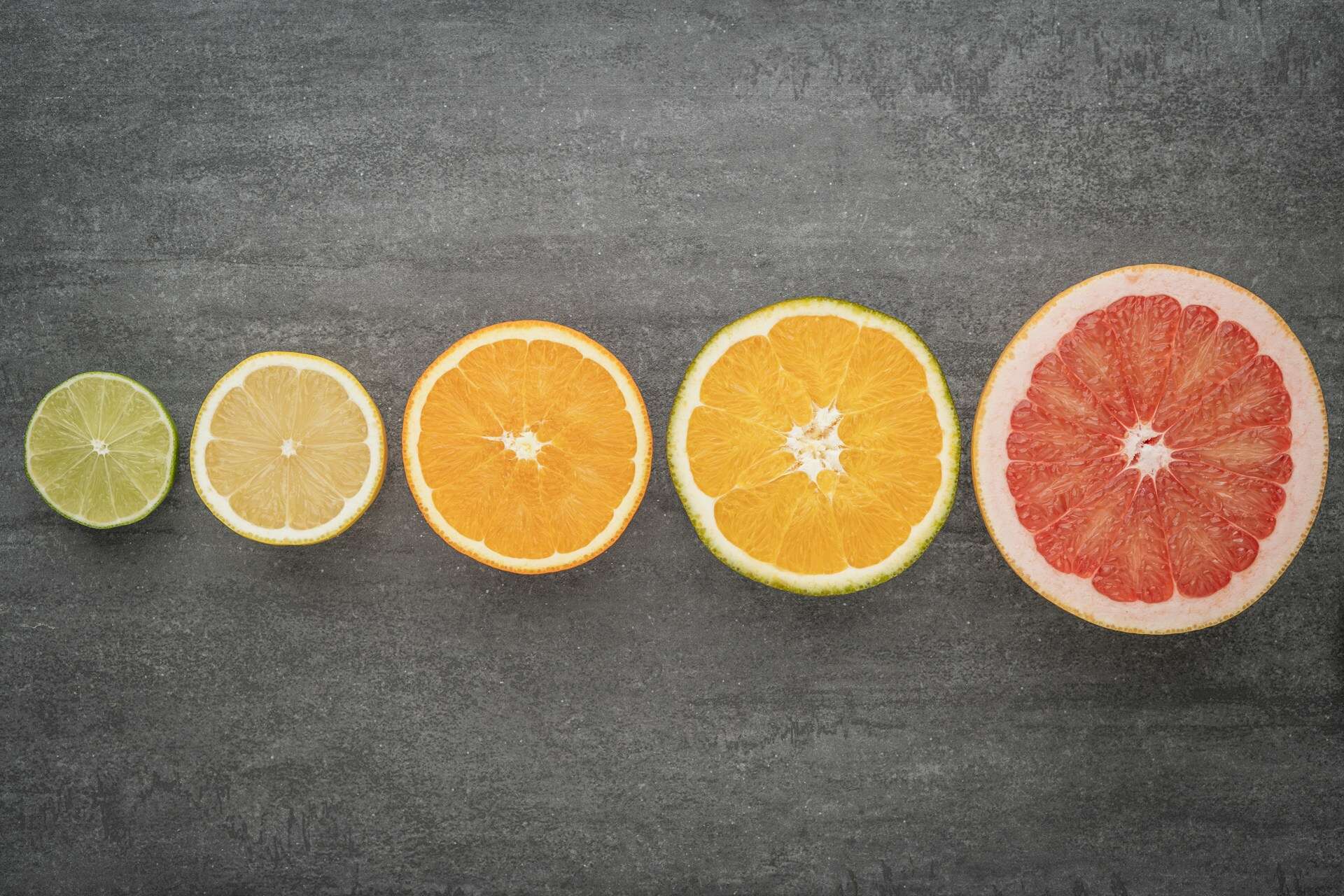
Another simple solution uses citrus peels. The peels from lemons, limes, or oranges contain natural cleaning agents and strong, pleasant oils. Simply drop a few peels into the disposal and run it with cold water. The grinding action releases the citrus oils, which cut through grease and leave your sink smelling fresh and clean. This is an excellent way to deodorize the unit after cleaning it or between deep cleans. It turns kitchen waste into a useful cleaning tool.
For a foaming deep clean, you can use baking soda and vinegar. Pour about half a cup of baking soda into the disposal, followed by one cup of white vinegar. The mixture will fizz and foam immediately. Let it sit for about ten minutes to break down grease and stubborn residue. After the fizzing stops, turn on the cold water and run the disposal for about 30 seconds to flush everything out. This combination is a powerful deodorizer and cleaner that sanitizes the unit.
Click the link to learn more about Blue Kitchen Refacing
Related Article: How Often Should You Clean Your Garbage Disposal?
Related Article: Why Does My Garbage Disposal Stink Even After Cleaning?
Natural Methods to Deodorize Your Garbage Disposal
Persistent odours are a common garbage disposal problem. Luckily, natural solutions can quickly neutralize bad smells and leave your kitchen smelling fresh. Citrus fruits are a fantastic tool for this job. The natural acids in lemons, limes, and oranges help break down smelly bacteria and grease. The oils in the peels provide a powerful, clean scent. Simply cut a lemon or lime into small wedges, drop them into the disposal one at a time, and run it with cold water. The grinding process releases the fresh-smelling oils throughout the unit.
For an even longer-lasting fresh scent, you can create citrus-vinegar ice cubes. Place chopped-up citrus peels into an ice cube tray, fill it with white vinegar, and freeze. Vinegar is a natural disinfectant and deodorizer. When you run these frozen cubes through your disposal, you get the combined cleaning power of ice, the deodorizing effect of vinegar, and the fresh scent of citrus. This is an excellent weekly habit to keep odours from returning.
Baking Soda for Odour Absorption
Baking soda is a well-known odour absorber. It neutralizes both acidic and basic molecules that cause bad smells. To use it in your garbage disposal, just pour about half a cup of baking soda directly into the drain. Let it sit for at least 30 minutes, or even overnight for very strong odours. The baking soda will absorb the smells from any lingering food particles. After letting it sit, simply flush the disposal with hot water for a minute to wash it all away. This simple step can make a significant difference.
Items That Will Damage Your Garbage Disposal
Knowing what not to put in your garbage disposal is as important as knowing how to clean it. Certain items can cause clogs, dull the blades, or burn out the motor. Avoiding these materials will extend the life of your appliance and prevent expensive plumbing issues. Always use your garbage disposal for its intended purpose: breaking down soft food scraps.
-
Grease, Oil, and Fat
Never pour liquid grease, cooking oil, or fats down your garbage disposal. While they may be liquid when hot, they solidify as they cool inside your pipes. This creates stubborn clogs that are difficult to remove. This sticky buildup also traps other food particles, which leads to foul odours. Always pour grease into a separate container and dispose of it in the trash once it cools.
-
Fibrous and Starchy Foods
Foods with stringy or fibrous textures can wrap around the disposal’s blades, causing the motor to jam. Items like celery, asparagus, corn husks, and onion skins are major culprits. Similarly, starchy foods like potato peels, pasta, and rice expand with water, creating a thick paste that can clog the drain. Scrape these items into your compost or garbage bin instead.
-
Hard Materials and Non-Food Items
Your garbage disposal is not designed to grind extremely hard materials. Items like animal bones, fruit pits (from peaches or avocados), and unpopped popcorn kernels can damage or break the blades. Coffee grounds and eggshells are also problematic. While they may seem harmless, they accumulate in pipes and create sediment-like clogs over time. It is also critical to ensure no non-food items like plastic, paper, or metal ever enter the disposal.
Evaluating Commercial Garbage Disposal Cleaners
Many companies sell commercial garbage disposal cleaners. These products often come in foaming, pod, or liquid forms. They promise to quickly eliminate odours and break down tough grease. The primary advantage of these cleaners is convenience. You simply drop a pod or pour a liquid into the unit and run it. They are specifically formulated to tackle the grime and bacteria that build up inside a disposal. Some products contain enzymes that actively digest food waste, which can be very effective.
However, commercial cleaners also have disadvantages. Many contain harsh chemicals, such as bleach or other corrosive agents. These substances can potentially damage older pipes or harm the beneficial bacteria in a septic system. They can also be an environmental concern. The cost of these specialty cleaners can also add up over time, especially when compared to the very low cost of DIY solutions like baking soda, vinegar, and ice.
If you choose to use a commercial product, select one carefully. Look for cleaners that are biodegradable and certified as safe for septic systems. Enzymatic cleaners are often a good choice because they use natural processes to break down waste instead of harsh chemicals. While these products can be useful for an occasional deep clean, the best long-term strategy is regular maintenance with the simple, natural methods we have discussed. They are just as effective for keeping your disposal clean and odour-free.
A Routine for a Clean and Healthy Disposal
The best thing to clean your garbage disposal with is a combination of simple, consistent habits. You do not need expensive products or complicated procedures. A well-maintained disposal relies on regular, minor upkeep. By integrating a few easy steps into your kitchen routine, you can prevent odours, avoid clogs, and ensure your appliance runs smoothly for years. The key is consistency. A quick clean after doing the dishes or a weekly deodorizing treatment makes a world of difference.
Create a simple maintenance schedule. Each day, run cold water for 30 seconds after using the disposal to flush out any remaining particles. Once a week, use a natural deodorizer. Tossing in a few lemon or orange peels is an easy and effective option. For a weekly deep clean, use the baking soda and vinegar method to break down grease and sanitize the unit. Once a month, use the ice and rock salt scrub to scour away any stubborn buildup and sharpen the blades. This layered approach addresses all aspects of disposal care.
Remember that prevention is the most powerful tool. Be mindful of what goes down your drain. Avoid grease, fibrous foods, and hard materials that can damage the unit. Educate everyone in your household on proper disposal use. Combining mindful usage with a simple cleaning routine ensures your garbage disposal remains a helpful kitchen assistant, not a source of foul odours and plumbing emergencies. With these practices, you can confidently manage your disposal’s health and performance.

Blue Malue Get in touch with Blue here.