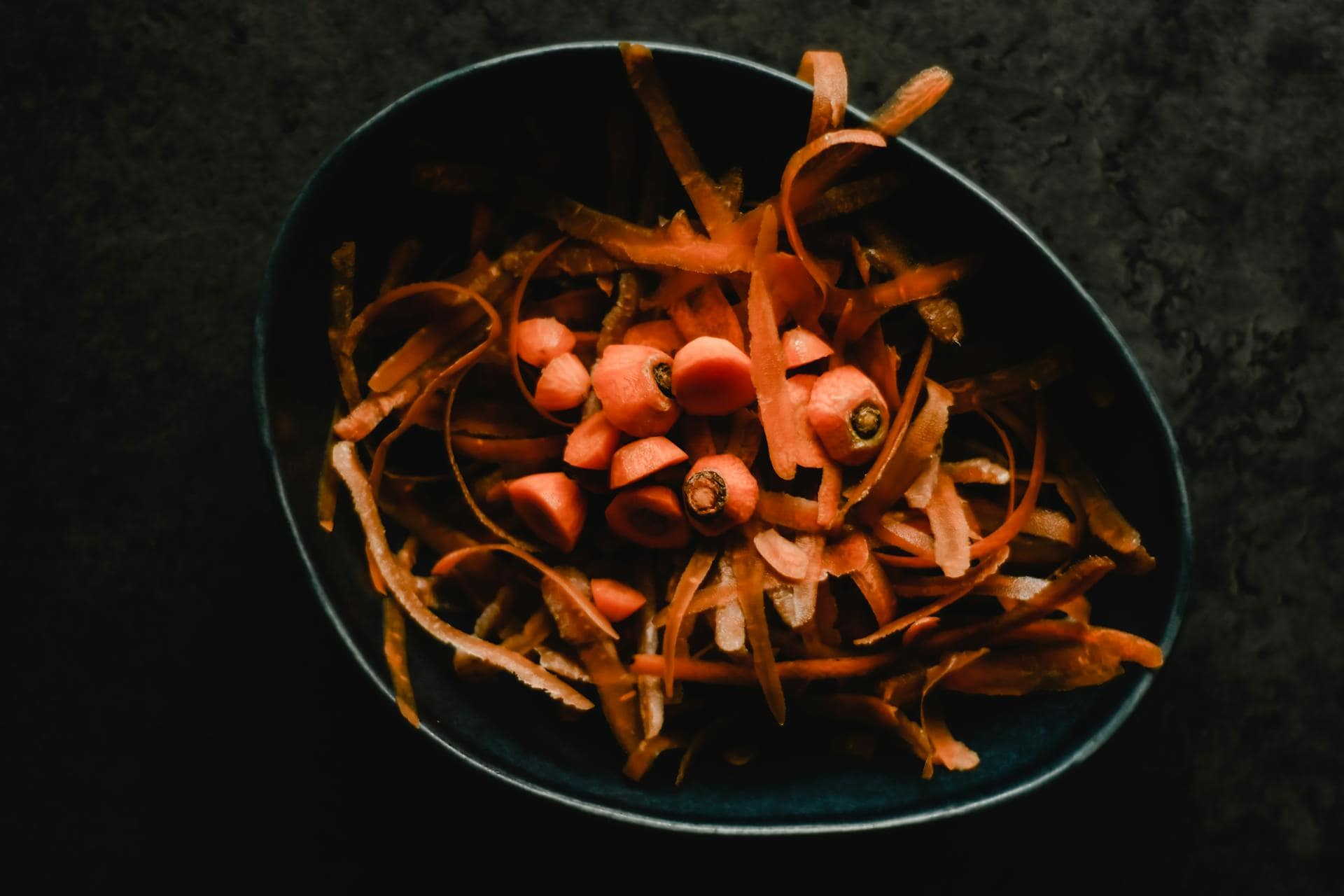
Question: What to Use Instead of a Garbage Disposal?
Answer: What to Use Instead of a Garbage Disposal? Use a sink strainer to catch solids and scrape food scraps into a compost bin or trash can. Composting is an eco-friendly choice that reduces landfill waste, while a strainer helps prevent plumbing clogs from food debris.
Exploring Alternatives to a Garbage Disposal for Your Kitchen
Many homeowners appreciate the convenience of a garbage disposal. These devices quickly shred food scraps and send them down the drain. However, you may wonder what to use instead of a garbage disposal. These units can cause significant plumbing problems, harm septic systems, and place a heavy load on municipal water treatment facilities. They also use a considerable amount of water and electricity. Many cities and municipalities even restrict or ban their installation to protect aging sewer infrastructures.
Fortunately, several excellent alternatives can help you manage kitchen waste effectively. These options are often more environmentally friendly and better for your home’s plumbing. From traditional composting to modern fermentation methods, you can find a solution that fits your lifestyle and space. This article explores the best garbage disposal alternatives available. We will show you how to dispose of food waste without a garbage disposal, protect your pipes, and reduce your environmental footprint. Choosing a different method can lead to a healthier home and a healthier planet.
Understanding the Drawbacks of Garbage Disposals
Garbage disposals present several challenges for homeowners and the environment. One of the main issues is their potential to cause serious plumbing clogs. While they grind up food, they do not liquefy it. Fats, oils, and grease can solidify in pipes, trapping other food particles and creating stubborn blockages. Fibrous materials like celery stalks or starchy foods like potato peels can also form a paste that obstructs water flow. These clogs often require a professional plumber to resolve, leading to unexpected expenses.
For homes with septic systems, a garbage disposal is particularly problematic. Septic systems rely on a delicate balance of bacteria to break down solid waste. Adding large amounts of undigested food waste overwhelms this system. The solid waste builds up faster, which means you need to pump your septic tank more frequently. This increased maintenance adds to your costs. The excess organic material can also disrupt the bacterial environment, reducing the system’s overall efficiency. This can lead to system failure and costly repairs.
Beyond your property line, garbage disposals impact municipal water treatment. The added solid waste increases the burden on treatment plants, requiring more energy and chemicals to process the water. This raises operational costs, which can affect the entire community. In essence, the convenience of a garbage disposal shifts the waste problem from your trash can to the water system, creating larger issues down the line.
Click here for more information on kitchen cabinet refacing Toronto
Related Article: Why Shouldn’t You Use a Garbage Disposal?
Related Article: Can I Replace My Garbage Disposal by Myself?
The Bokashi Method: Fermenting Your Kitchen Waste
The Bokashi method offers a unique alternative to traditional composting. Instead of decomposing waste, Bokashi ferments it using a specific group of microbes. This process takes place in an airtight bin, often called a Bokashi bin. You add your food scraps to the bin in layers, sprinkling a special Bokashi bran over each layer. The bran contains the microbes that start the fermentation process. Because the system is anaerobic (without oxygen), it does not produce the same odours associated with a rotting compost pile.
One of the biggest advantages of Bokashi is its ability to handle a wider range of food waste. Unlike many compost systems, you can add meat, dairy, bones, and oily foods to a Bokashi bin. This allows you to divert nearly all of your kitchen waste from the landfill. The process is also very fast. Within about two weeks, the food scraps are fully pickled or fermented. During this time, the bin produces a nutrient-rich liquid, or “tea,” which you can drain off and use as a potent fertiliser for your plants after diluting it.
After the fermentation is complete, the resulting material is not yet soil. You must bury this pre-compost in your garden soil or add it to a traditional compost pile. Once in the soil, it breaks down very quickly, releasing its nutrients to surrounding plants. The Bokashi method is an excellent choice for people who want a fast, odour-free indoor system that processes all types of food waste.
Practical Sink Solutions to Replace a Disposal Unit
If you want a simple and direct way to manage food scraps at the sink, several practical tools can effectively replace a garbage disposal. These solutions focus on preventing food from entering your plumbing in the first place. They are inexpensive, easy to install, and require minimal maintenance. By adopting these simple habits, you can protect your pipes from clogs and make waste management a more deliberate and clean process. This approach is especially useful for renters or anyone who wants an immediate, no-fuss solution.
These tools physically stop waste before it becomes a problem, offering peace of mind and saving you from potential plumbing emergencies.
-
High-Quality Sink Strainers
A good sink strainer is your first line of defence. Modern strainers are far more effective than the basic ones that come with most sinks. Look for a model with a fine mesh screen that catches even small particles like coffee grounds. Silicone strainers are also popular, as they are flexible and easy to clean. You simply trap the food scraps in the strainer basket and then empty the contents into your compost pail, Bokashi bin, or trash can. -
Food Scrap Collectors
A dedicated food scrap collector keeps your sink area tidy and your drain clear. This can be as simple as a large bowl you keep on the counter while preparing meals. You can toss peels, ends, and other scraps into the bowl instead of the sink. Many companies also make dedicated countertop containers for this purpose. This simple habit dramatically reduces the amount of waste that washes down the drain, making cleanup easier and protecting your plumbing.
Utilizing Your Local Green Bin Program
Many municipalities now offer organic waste collection, often called a “green bin” program. This service provides a simple and powerful way to dispose of food waste without a garbage disposal. These programs are designed to divert organic materials from landfills, where they would otherwise produce methane, a potent greenhouse gas. Instead, the collected waste is transported to a large-scale facility where it is turned into valuable compost or used to generate renewable energy through anaerobic digestion.
Participating in a green bin program is incredibly convenient. The city typically provides you with a small kitchen catcher and a larger outdoor bin. You collect your food scraps, including items often not suitable for home composting like meat, bones, and dairy products, in the kitchen pail. Once full, you transfer the contents to the larger curbside bin for weekly or bi-weekly collection. This service eliminates the need for you to manage your own compost pile, making it a perfect solution for people with busy schedules or limited space.
By using your local green bin, you contribute to a community-wide sustainability effort. It reduces the strain on landfills, creates useful products from waste, and helps your municipality meet its environmental goals. Check your local government’s website to see if a program is available in your area and to learn the specific guidelines for what you can and cannot include in the bin.
Choosing the Right Garbage Disposal Alternative for You
Deciding what to use instead of a garbage disposal depends on your unique circumstances. As we have explored, many effective and eco-friendly alternatives are available. From creating your own nutrient-rich soil through composting to leveraging the convenience of a municipal green bin program, you have plenty of options. These methods not only protect your home’s plumbing and septic system but also contribute to a healthier environment. Moving away from a garbage disposal is a proactive choice that reduces water and energy consumption and minimizes your household’s impact.
To find the best fit, consider your living space, lifestyle, and local resources. If you have a garden and enjoy hands-on projects, a traditional compost bin or a vermicomposting system could be a rewarding choice. For those in smaller apartments or who want to process all food scraps, the fast and odourless Bokashi method is an excellent option. If you prefer a low-effort solution, a high-quality sink strainer combined with your city’s organic waste collection program offers maximum convenience. By evaluating these choices, you can implement a food waste strategy that works for you and your home.
“`
Blue Malue Get in touch with Blue here.