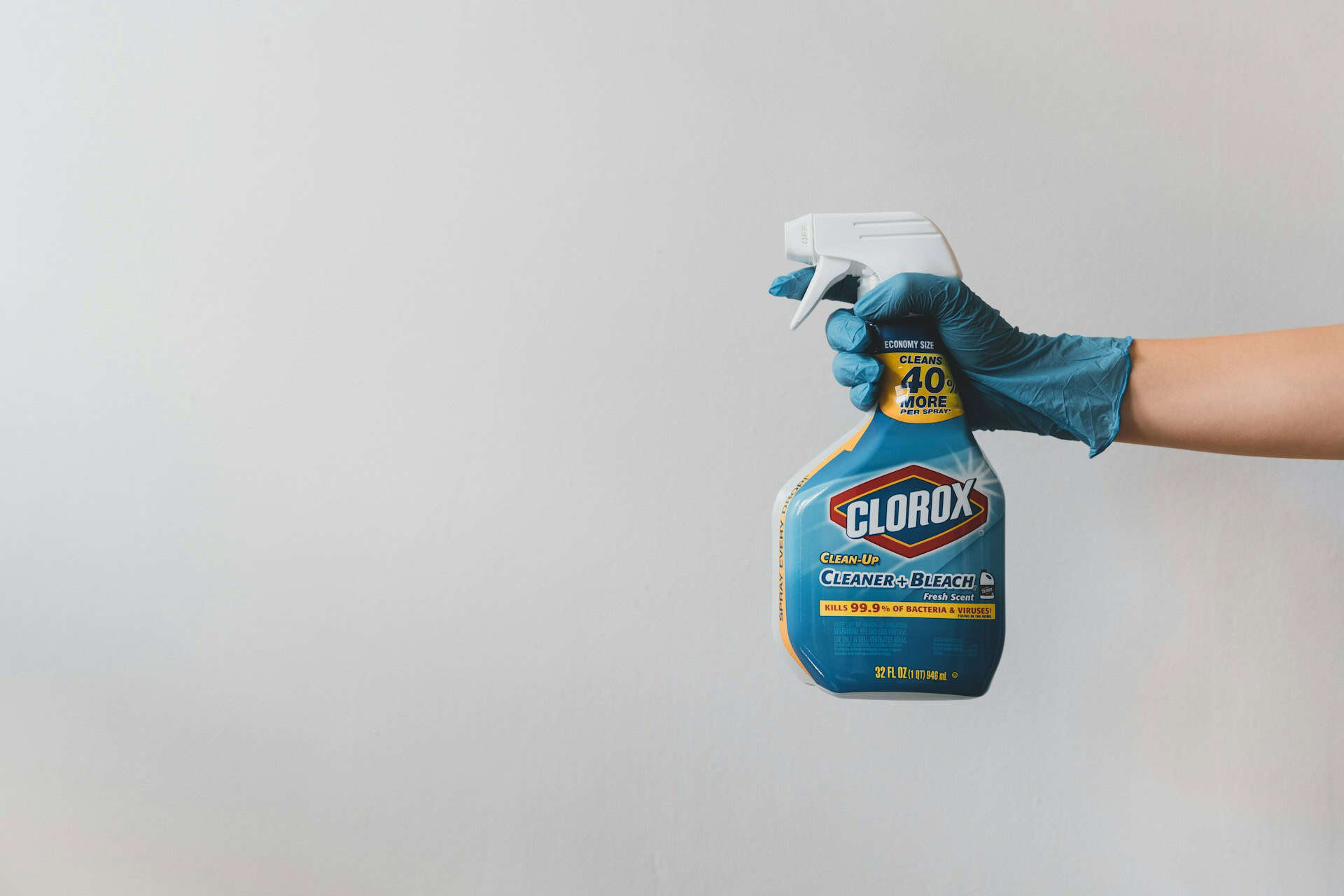
Question: Will Bleach Hurt a Quartz Kitchen Sink?
Answer: Yes, bleach can hurt a quartz kitchen sink. Prolonged exposure to harsh chemicals like undiluted bleach can damage the resin binders, potentially causing permanent discoloration or a dull finish. If used, it must be highly diluted and rinsed off immediately.
Can You Use Bleach on a Quartz Kitchen Sink?
You chose a quartz composite sink for its durability and modern aesthetic. These sinks combine natural quartz stone with resins to create a tough, non-porous surface that resists stains and scratches. Many homeowners wonder about the best ways to keep their sink looking pristine. This often leads to a common question: will bleach hurt a quartz kitchen sink? The answer is important for maintaining your sink’s appearance and structural integrity. Using the wrong chemicals can cause irreversible damage, turning your beautiful kitchen fixture into a source of frustration. Harsh cleaners like bleach pose a significant risk to the materials that give your sink its strength and lustre.
The core issue lies in the sink’s composition. While the quartz mineral itself is incredibly hard and resistant to chemicals, the polymer resin that binds the quartz crystals together is not. This resin is vulnerable to strong, corrosive chemicals. Bleach, a powerful alkaline substance, can attack and break down this resin. This chemical reaction leads to several problems, including permanent discoloration, a dull or chalky finish, and even a weakening of the sink’s surface over time. Understanding this interaction is the first step toward protecting your investment and ensuring your quartz sink remains a functional and attractive part of your kitchen for years to come.
How Bleach Chemically Affects Quartz Composite
A quartz composite sink contains approximately 80 to 90 percent crushed natural quartz and 10 to 20 percent polymer resin. The resin acts as a binder, holding the quartz crystals together and creating a smooth, solid surface. This combination provides the sink with its desirable qualities, including its uniform colour and resistance to impact. The natural quartz provides the strength, while the resin makes the surface non-porous and easy to clean. However, this resin is the sink’s primary vulnerability when exposed to aggressive chemicals. Bleach, which is a solution of sodium hypochlorite, is a strong oxidizing agent that can cause significant damage to these polymer binders.
When bleach comes into contact with the resin, it initiates a chemical reaction that breaks down the polymer chains. This process degrades the material that holds your sink together. The most immediate and noticeable effect is often discoloration. The bleach can cause the resin to yellow or develop a bleached-out, blotchy appearance that you cannot remove. It also strips away the sink’s protective, glossy finish. This leaves the surface looking dull, flat, and lifeless. Over time, repeated exposure weakens the resin, making the surface more porous and susceptible to future stains from everyday substances like coffee, wine, or tomato sauce.
Click the link to read more about Blue Kitchen Refacing
Related Article: Will Bleach Hurt a Composite Kitchen Sink?
Related Article: What Are the Disadvantages of a Quartz Kitchen Sink?
Safe and Effective Alternatives for Cleaning Your Quartz Sink
Maintaining the beauty of your quartz sink does not require harsh chemicals. Safe and effective alternatives clean thoroughly without risking damage. For daily cleaning, the best method is the simplest. Use a soft cloth or sponge with a small amount of mild dish soap and warm water. This gentle combination effectively removes grease, food particles, and daily grime. After washing, rinse the sink completely with clean water and dry it with a soft towel. This final step prevents water spots and mineral buildup, keeping your sink looking its best every day.
For more stubborn stains or marks, you can use simple household products.
-
Baking Soda Paste
Create a thick paste using baking soda and water. Apply the paste directly to the stain and let it sit for 15 to 20 minutes. Gently scrub the area with a non-abrasive sponge in a circular motion. Baking soda is a mild abrasive that lifts stains without scratching the sink’s surface. Rinse the area thoroughly when you are finished.
-
White Vinegar and Water Solution
To tackle hard water deposits and limescale, a 50/50 solution of white vinegar and water works well. Pour the solution into a spray bottle and apply it to the affected areas. Let it sit for a few minutes, then wipe it away and rinse with clean water. The acidity of the vinegar dissolves mineral buildup. Always rinse completely, as prolonged acid exposure can also harm the resin.
-
Specialized Quartz Cleaners
Many manufacturers produce pH-neutral cleaners specifically formulated for quartz surfaces. These products are designed to clean effectively while being completely safe for the resin binder. They are an excellent choice for deep cleaning and removing tough stains without any guesswork.
What to Do If You Accidentally Spill Bleach on Your Sink
Accidents happen in a busy kitchen. If you accidentally spill bleach on your quartz sink, you must act quickly to minimize the potential damage. The primary goal is to dilute and remove the chemical as fast as possible. Do not panic, but do not wait. The longer the bleach sits on the surface, the more severe the chemical reaction with the resin will be. First, immediately flood the sink with a large volume of cool water. Let the tap run for at least a minute to flush the bleach down the drain and dilute any remaining residue on the surface.
After this initial rinse, wash the entire sink with a mild dish soap and a soft sponge. This helps neutralize any lingering alkaline bleach and removes the chemical film. Pay special attention to the area where the spill occurred. Once you have washed the sink, rinse it again thoroughly with more clean, cool water to ensure all the bleach and soap are gone. Finally, dry the sink completely with a soft, clean towel. Inspect the area carefully for any signs of damage, such as discoloration, dull spots, or a change in texture. If you notice any damage, contact your sink’s manufacturer for further guidance. They may have a specific product or professional service to recommend for repairs.
Conclusion
The final verdict on this common question is clear and direct. You should never use bleach to clean a quartz kitchen sink. The potential for permanent, irreversible damage to the sink’s resin binder far outweighs any perceived cleaning benefits. Bleach is a harsh, corrosive chemical that will degrade the very material that gives your sink its smooth, non-porous finish and vibrant colour. Using it, even in a diluted form, can lead to yellowing, dullness, and a weakened surface that becomes more prone to future staining and damage. Protecting your investment means choosing cleaning methods that preserve its integrity.
Instead of reaching for the bleach, adopt a cleaning routine that relies on safe and gentle alternatives. Mild dish soap and water are perfect for daily care. For tougher jobs, a baking soda paste or a specialized, pH-neutral quartz cleaner will remove stains without harming the surface. These methods are not only safer for your sink but also for your family and the environment. By following these simple care guidelines, you ensure your quartz sink remains a beautiful, durable, and functional centrepiece of your kitchen for many years. Proper maintenance is simple and prevents the stress and expense of trying to repair avoidable chemical damage.

Blue Malue Get in touch with Blue here.