Question: Can You Pour Vinegar in a Garbage Disposal?
Answer: Yes, you can pour vinegar in a garbage disposal. Pouring vinegar in your disposal is a safe and effective way to clean and deodorize it. Its acidity helps break down grease and food buildup. For a powerful clean, combine it with baking soda to create a natural, foaming cleanser.
Using Vinegar to Clean Your Garbage Disposal Safely
A foul odour from your kitchen sink often points to one culprit: the garbage disposal. Food particles, grease, and grime accumulate inside the grinding chamber, creating an ideal environment for bacteria to grow. This buildup causes unpleasant smells that can permeate your entire kitchen. Many people look for simple, effective cleaning solutions using common household items. This leads to an important question for homeowners: can you pour vinegar in a garbage disposal to solve this problem?
The answer is yes, you absolutely can. Pouring vinegar into your garbage disposal is a safe and highly effective method for cleaning and deodorizing the unit. Vinegar contains acetic acid, a natural compound that works wonders on kitchen grime. It cuts through grease, breaks down caked-on food particles, and neutralizes the alkaline molecules that cause bad odours. Its mild disinfectant properties also help to reduce bacteria lingering within the unit, contributing to a cleaner and more hygienic kitchen environment.
Using vinegar is a popular choice because it is non-toxic, inexpensive, and readily available. Unlike harsh chemical cleaners, it does not leave behind harmful residues that could come into contact with your dishes or food. This article explains how to use vinegar correctly, explores the science behind its cleaning power, and outlines best practices for maintaining a fresh and functional garbage disposal. We will provide a step-by-step guide and suggest other natural alternatives to keep your kitchen smelling great.
The Science Behind Vinegar as a Cleaner
Understanding why vinegar works so well helps you use it more effectively. White vinegar is a solution of acetic acid and water. This acidic nature is the key to its cleaning power. When you pour vinegar into your garbage disposal, the acetic acid immediately begins to work on the buildup inside. It chemically reacts with grease and fat, breaking them down into smaller, water-soluble substances that can be easily flushed away. This action prevents the accumulation of greasy sludge that often clogs disposals and pipes.
Vinegar is also an exceptional deodorizer. Most foul smells from a garbage disposal are caused by the decomposition of food scraps, which produces alkaline compounds. As an acid, vinegar neutralizes these alkaline molecules, eliminating the source of the odour rather than just masking it with a different scent. This chemical reaction leaves your disposal smelling neutral and clean. This is a significant advantage over scented cleaners that only provide temporary relief from bad smells.
Additionally, vinegar possesses mild antibacterial and anti-mould properties. While it is not a hospital-grade disinfectant, it can kill a significant portion of the common bacteria and mould spores that thrive in the dark, damp environment of a garbage disposal. This reduction in microbial life not only improves hygiene but also contributes to better odours and a cleaner kitchen sink area. Using vinegar is a simple way to harness basic chemistry for a cleaner home.
Click here for more information on kitchen cabinet refacing Toronto
Related Article: Why Don’t Plumbers Like Garbage Disposals?
Related Article: Should You Put Eggshells in the Garbage Disposal?
Potential Risks and What to Avoid
While vinegar is generally safe for garbage disposals, you should be aware of a few potential considerations. The acetic acid in vinegar is mild, but repeated, excessive use over many years could theoretically degrade rubber components, such as seals or baffles, in some older models. For most modern garbage disposals built with durable materials, moderate use of vinegar poses no significant risk. Sticking to a bi-weekly or monthly cleaning schedule is a safe approach that provides all the benefits without any notable drawbacks.
It is also vital to know what not to do when cleaning. One critical safety rule is to never mix vinegar with chlorine bleach. This combination creates toxic chlorine gas, which is extremely hazardous to inhale and can cause severe respiratory damage. Always use vinegar by itself or with safe partners like baking soda, salt, or water. Keep your cleaning agents separate to avoid dangerous chemical reactions under your sink or in your drain.
Finally, remember that vinegar is a cleaner, not a tool for unclogging. Do not rely on it to break down items that should not be in the disposal in the first place. Avoid putting fibrous materials like celery stalks or corn husks, expandable foods like pasta or rice, and hard items like bones or fruit pits into your unit. These can jam the motor or clog your pipes. A properly used garbage disposal is much easier to keep clean.
How Often Should You Clean Your Disposal with Vinegar?
Establishing a regular cleaning routine is the best way to prevent foul odours and keep your garbage disposal running smoothly. The ideal frequency depends on how often you use your unit. For the average household, cleaning the garbage disposal with vinegar once every two weeks is an excellent maintenance schedule. This proactive approach stops grease and grime from building up to a point where they cause persistent smells or affect the appliance’s performance. A quick clean becomes a simple part of your kitchen tidying routine.
If you use your garbage disposal heavily or cook with a lot of greasy foods, you might benefit from a weekly cleaning. A more frequent schedule ensures that oily residues are flushed out before they can solidify and clog the system. Similarly, if you already have a noticeable odour coming from your sink, you should clean the disposal with the vinegar and baking soda method once a week until the smell is completely gone. After resolving the issue, you can return to a bi-weekly maintenance schedule.
Listen to your appliance. If you notice smells returning quickly or hear the disposal struggling, it may be a sign that it needs a good clean. Consistency is more effective than occasional, intensive cleanings. A little bit of attention on a regular basis will extend the life of your garbage disposal and keep your kitchen environment much more pleasant.
Alternatives for a Fresh Garbage Disposal
Vinegar is a fantastic tool, but it is not the only natural option for maintaining your garbage disposal. Several other household items can help you keep the unit clean and smelling fresh. Using a variety of methods can tackle different types of buildup and provide different pleasant scents for your kitchen. These alternatives are just as safe and eco-friendly, offering you more choices for your cleaning routine.
-
Citrus Peels
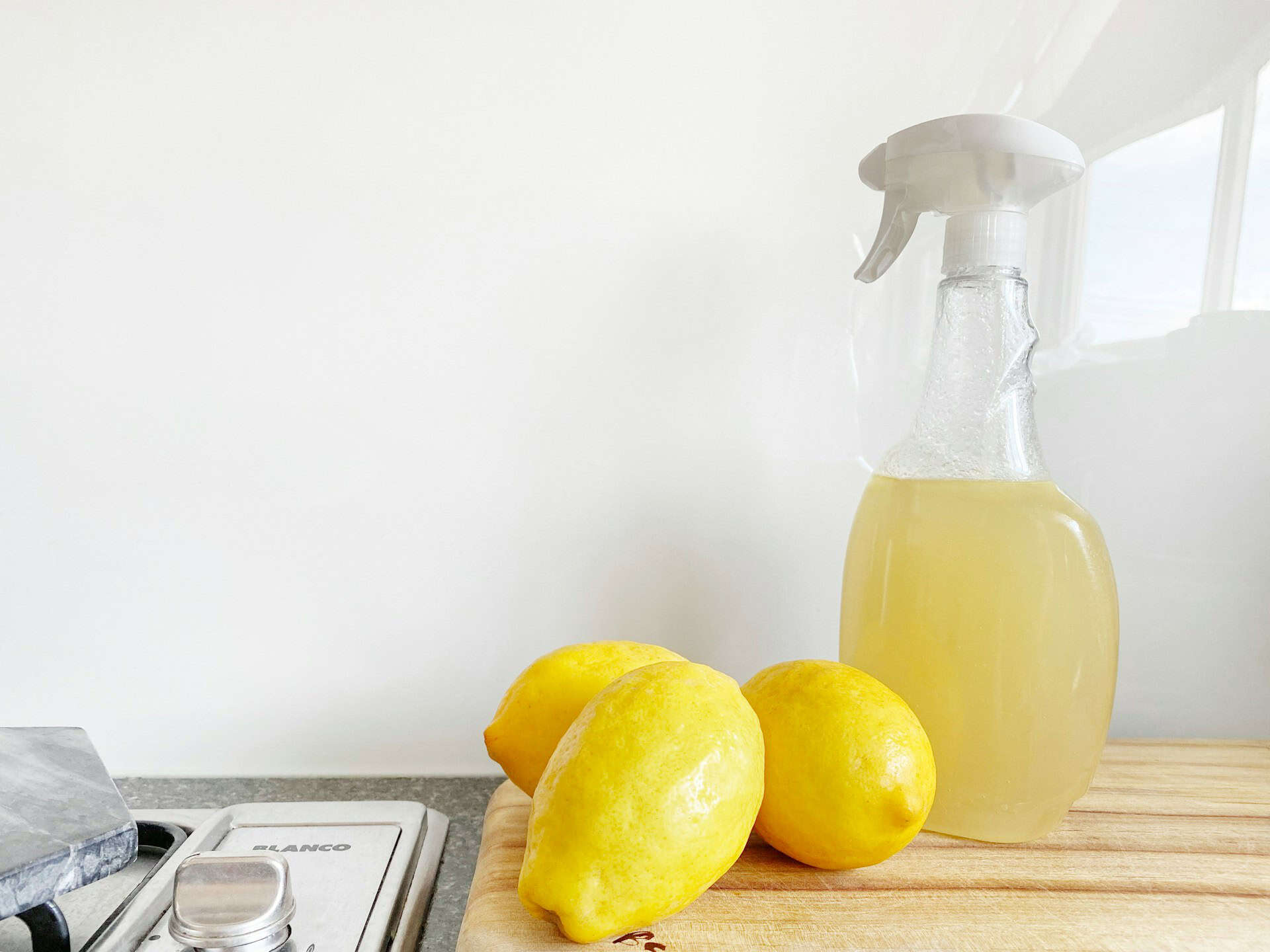
Grinding citrus peels is a popular way to freshen a garbage disposal. The peels of lemons, limes, oranges, or grapefruits contain citric acid and potent oils. The acid helps clean the grinding chamber, while the oils release a strong, pleasant fragrance that effectively combats odours. Simply toss a handful of peels into the disposal and run it with cold water for about 30 seconds for an instant burst of freshness. -
Baking Soda and Hot Water
Baking soda is a natural base that excels at neutralizing acidic odours. For a very simple deodorizing flush, pour about half a cup of baking soda into the disposal and let it sit for 30 minutes. Afterward, flush it with hot water for one minute. While some plumbers caution against using boiling water in pipes, very hot tap water is generally safe and helps dissolve any greasy buildup that the baking soda has started to break down. -
Specialized Disposal Cleaners
If you prefer a commercial product, many companies offer biodegradable garbage disposal cleaners. These products often come in pod or packet form and use foaming agents combined with natural enzymes to scrub the disposal’s interior. They are designed to be safe for your plumbing and septic systems while effectively removing food particles and odours. They offer a convenient alternative to DIY solutions.
Conclusion
The answer to the question “can you pour vinegar in a garbage disposal?” is a definitive yes. It stands out as one of the most effective, safe, and affordable methods for maintaining a clean and odour-free kitchen. The acetic acid in vinegar works powerfully to dissolve grease, neutralize unpleasant smells, and reduce bacteria without the need for harsh, toxic chemicals. It is a smart choice for any homeowner who wants a simple solution using an item already in their pantry. Proper use ensures your disposal remains in excellent working condition.
For the best results, incorporate vinegar into a comprehensive cleaning routine. Combining it with the abrasive power of ice and coarse salt helps scour the grinding elements, while adding baking soda creates a foaming action that lifts stubborn grime from every crevice. Performing this cleaning ritual every two weeks prevents buildup and keeps odours from ever becoming a problem. You can also supplement your routine with natural alternatives like citrus peels to add a fresh scent to your kitchen sink.
Regular maintenance is the key to a long-lasting and efficient garbage disposal. A few minutes of care prevents clogs, eliminates foul smells, and protects your investment. By following the simple steps outlined here, you can easily manage this important kitchen appliance. You empower yourself to maintain a cleaner, more pleasant home environment with simple, effective, and natural solutions that work.

Blue Malue Get in touch with Blue here.