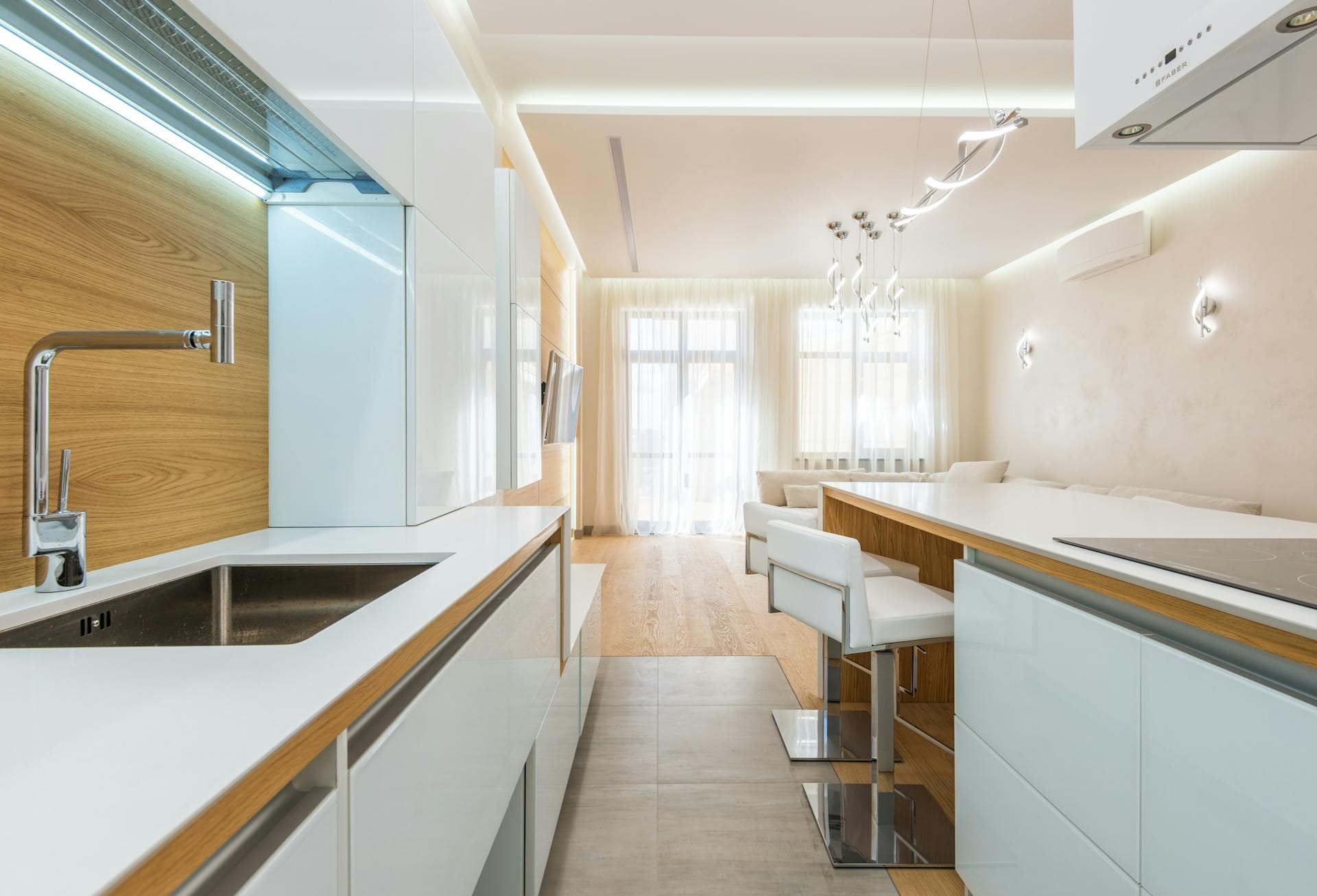
Question: Is a Galley Layout the Most Efficient for Small Kitchens?
Answer: Yes, a galley kitchen is highly efficient for a small kitchen. This layout features two parallel counters that create a compact work triangle. It minimizes movement between the sink, stove, and fridge, maximizing counter and storage space within a narrow footprint.
Is the Galley Layout the Best Choice for a Small Kitchen?
Many people with limited space ask if a galley layout is the most efficient for small kitchens. This layout, with its two parallel walls and central corridor, presents a unique solution to spatial challenges. It promises a streamlined workflow and an organized environment. Efficiency in a kitchen means more than just size. It involves the ease of movement between key work areas: the sink, the refrigerator, and the stove. A well-designed kitchen minimizes your steps and makes cooking a smoother process. This design principle is fundamental to creating a functional and enjoyable cooking space, especially when every square inch counts.
The galley kitchen directly addresses this need for a logical workflow. Its linear form naturally organizes kitchen tasks. This article explores the galley layout in detail. We will analyze its structure, its impact on the classic kitchen work triangle, and its storage potential. We will also examine its potential drawbacks and compare it to other popular layouts for compact areas. By understanding the strengths and weaknesses of this design, you can decide if a galley kitchen provides the optimal efficiency your small home requires.
What Defines a Galley Kitchen Layout?
A galley kitchen layout consists of two parallel countertops with a walkway in between. This simple and effective design gets its name from the compact kitchens found on ships, known as galleys. Architects and designers favour this layout for narrow spaces like apartments, condos, and smaller homes. The core concept is to maximize counter and storage space along two opposite walls. This creates a highly functional corridor that serves as the primary work area. The width of this central walkway is a critical factor in the layout’s success. It must be wide enough for comfortable movement and for appliance doors to open fully, yet narrow enough to keep everything within easy reach.
The layout’s simplicity is its greatest strength. It eliminates awkward corner cabinets that are often difficult to access. Instead, every inch of cabinetry is straightforward and easy to use. One wall typically houses the sink and dishwasher for efficient plumbing, while the other might contain the stove and refrigerator. This arrangement naturally separates the cleaning and cooking zones. This clear organization contributes to a less cluttered and more productive kitchen environment. The galley layout proves that a practical design does not need a large footprint to deliver exceptional performance in a home.
Click here for more information on refacing kitchen cabinet doors in Toronto
Related Article: Can Cabinet Refacing Actually Create More Storage Space?
Related Article: How Do You Maximize Prep Space in a Kitchen With No Island?
Creative Storage Solutions for a Galley Kitchen
Storage is a primary concern in any small kitchen. The galley layout, while space-efficient, requires clever planning to maximize storage capacity. The linear nature of the design offers a great opportunity to think vertically. By utilizing the full height of the walls, you can dramatically increase your storage without expanding the kitchen’s footprint. This approach turns a potential limitation into a design advantage, ensuring you have a place for every pot, pan, and pantry item.
Use Vertical Space
One of the best strategies for a galley kitchen is to install floor-to-ceiling cabinetry. This design choice draws the eye upward, making the room feel taller and more spacious. These tall cabinets provide ample room for less-frequently used items on the upper shelves while keeping daily essentials within easy reach. You can also incorporate open shelving instead of some upper cabinets. Open shelves can make a narrow kitchen feel less boxed-in and provide a space to display attractive dishware or glassware. Wall-mounted magnetic knife strips, spice racks, and pot rails also free up valuable counter and drawer space, keeping tools accessible.
Implement Smart Cabinetry
Modern cabinet technology offers excellent solutions for small spaces. Consider installing deep drawers for pots and pans instead of lower cabinets. Drawers allow you to see and access everything inside without digging into a dark cupboard. A narrow pull-out pantry cabinet can fit into a small space and hold a surprising number of jars, cans, and boxes. You can also use drawer dividers and organizers to keep cutlery, utensils, and spices neatly arranged. These solutions ensure that every inch of your cabinetry works hard, making your galley kitchen feel organized and much larger than it is.
Drawbacks and Limitations of the Galley Layout
While the galley layout is highly efficient, it does have some potential downsides. One common issue is limited counter space. With only two straight runs of countertop, you may find less surface area for meal prep compared to U-shaped or L-shaped kitchens. This can be challenging if you often use many small appliances or enjoy cooking complex meals that require extensive preparation space. Careful planning and keeping countertops clear of clutter become very important to maintain a functional workspace. You must prioritize what stays on the counter and what gets stored away.
The narrow corridor can also feel restrictive, especially if more than one person is in the kitchen. The galley layout is ideal for a single cook. It becomes crowded quickly when a second person tries to help or simply passes through. If your kitchen also serves as a major walkway between two other areas of your home, this can create traffic jams. This constant foot traffic can interrupt the cooking workflow and create a frustrating environment. For households with multiple cooks or high traffic, the confining nature of a galley kitchen might outweigh its efficiency benefits.
How Galley Kitchens Compare to Other Compact Layouts
When designing a small kitchen, it is useful to compare the galley layout to other popular configurations. Each layout offers different benefits and suits different needs. Understanding these distinctions helps you select the best design for your space and lifestyle. The galley’s primary advantage is its workflow efficiency in narrow rooms, but other layouts might offer more flexibility or a more open feel.
Galley vs U-Shaped Kitchen
A U-shaped kitchen features countertops and cabinets along three walls. This layout typically provides more counter and storage space than a galley kitchen. It can also create a more contained cooking zone, keeping traffic out of the main work area. However, U-shaped kitchens require a wider room to be effective. In a small space, this design can feel even more cramped than a galley, and the corner cabinets can be inefficient and hard to access. A galley kitchen often makes better use of a long, narrow space.
Galley vs L-Shaped Kitchen
An L-shaped kitchen uses two adjacent walls, creating an open-concept feel. This layout is great for integrating a small dining area or connecting the kitchen to a living space. It feels more social and is better for accommodating more than one cook. The main drawback of the L-shaped layout is that the work triangle is more spread out, which can make it less efficient than a galley. It also has one corner cabinet that requires a special solution, like a lazy Susan, to be fully functional.
Galley vs Single-Wall Kitchen
The single-wall kitchen is the ultimate space-saver, perfect for studio apartments or very small homes. All appliances, cabinets, and countertops are located along one wall. While this design maximizes floor space, it is the least efficient for cooking. The work “triangle” becomes a straight line, requiring a lot of movement from one end to the other. A galley layout, even a small one, provides a much better workflow and more storage by utilizing a second wall.
Conclusion
So, is a galley layout the most efficient choice for a small kitchen? For many situations, the answer is a resounding yes. Its simple, linear design creates an exceptionally effective work triangle, minimizing movement and streamlining the entire cooking process. For a single cook working in a narrow space, the galley kitchen is often the most practical and ergonomic option available. It maximizes storage by using vertical space effectively and eliminates the wasted space often found in awkward corner cabinets. Its design promotes organization and a clutter-free environment, which are essential elements for functionality in a compact area.
However, you must consider your personal needs and lifestyle. If your kitchen is a social hub or if multiple people cook at the same time, the galley’s narrow corridor can feel restrictive and cause congestion. The limited counter space might also be a concern for avid home chefs who require large prep areas. Before you decide, evaluate your home’s traffic patterns and how you use your kitchen daily. While the galley layout offers unmatched workflow efficiency for one, an L-shaped or small U-shaped kitchen might provide better flexibility for a busy household.

Blue Malue Get in touch with Blue here.