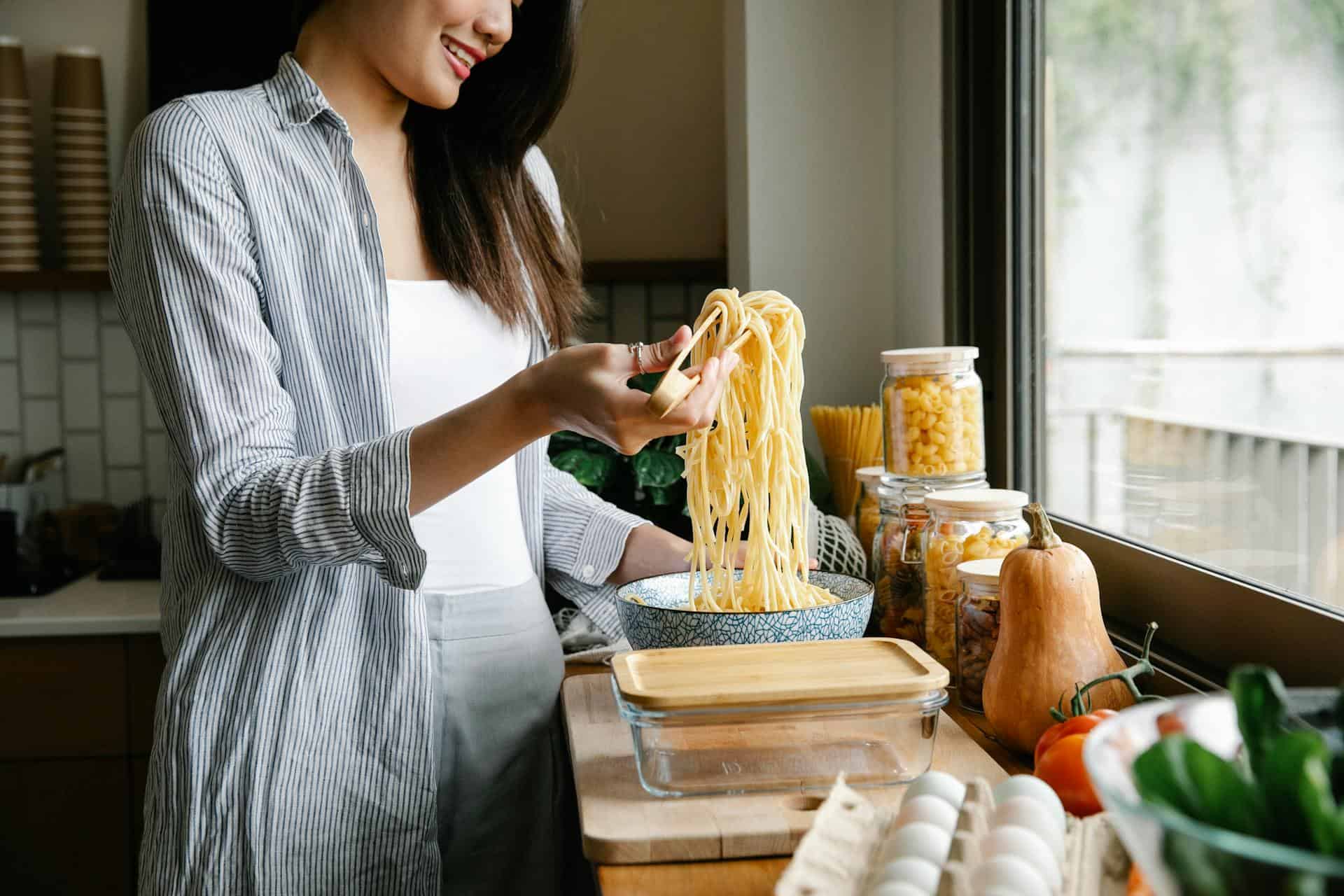
Question: How Do You Maximize Prep Space in a Kitchen With No Island?
Answer: To maximize prep space in a kitchen with no island, use a rolling kitchen cart for a mobile surface. Add an over-the-sink cutting board or a stovetop cover to create temporary workstations. Keeping countertops clear of clutter by storing small appliances is also essential to free up valuable room for food preparation.
Maximizing Prep Space in a Kitchen Without an Island
Many home cooks dream of a large kitchen with a sprawling central island. Yet, the reality for many is a compact kitchen that lacks this feature. A kitchen with no island presents a unique challenge for food preparation. Countertops quickly fill with appliances, ingredients, and cooking tools, leaving little room to chop vegetables or roll out dough. This limited workspace can make cooking feel cramped and inefficient. You might find yourself juggling bowls and cutting boards, which adds stress to what should be an enjoyable activity.
You can learn how to maximize prep space in a kitchen with no island by using smart strategies and organizational techniques. These methods help you reclaim your countertops and create a more functional cooking environment. By optimizing the space you already have, you can transform your small kitchen into a highly efficient workspace. You will discover how to use vertical storage, select multi-functional tools, and create temporary surfaces to expand your preparation area. These simple changes make a significant difference in your daily cooking routine.
Use Vertical Space for Maximum Efficiency
One of the best ways to create more prep space is to clear your countertops. You can achieve this by moving items upward. Your walls offer valuable real estate that often goes unused. Installing wall-mounted shelves is an excellent first step. Open shelving can hold spice jars, small canisters, and even your most-used plates and bowls. This frees up valuable counter and cabinet space. You get easy access to everyday items without cluttering your primary work surface.
Magnetic strips are another powerful tool for vertical organization. A magnetic knife strip mounted on the wall keeps your knives safely stored and readily accessible. This eliminates the need for a bulky knife block that consumes a significant amount of counter space. You can also use magnetic strips or wall-mounted racks for metal spice tins and utensils. A hanging pot rack, suspended from the ceiling or a wall, can store your bulky pots and pans. This clears out lower cabinets, allowing you to store small appliances like mixers or blenders, which in turn keeps them off your prep area.
Click here to get more information about Blue Kitchen Refacing
Related Article: Is a Galley Layout the Most Efficient for Small Kitchens?
Related Article: What Are the Best Slimline Appliances for a Small Kitchen?
Create Flexible and Temporary Prep Surfaces
If your kitchen permanently lacks counter space, creating temporary work areas is a perfect solution. A rolling kitchen cart is perhaps the most versatile option. You can use it as a mobile island, moving it where you need it for food prep and then pushing it aside when you are finished. Many carts come with additional shelves or drawers for storage, adding even more utility. Look for a model with a durable top, like a butcher block, which can serve as a dedicated cutting surface.
You can also repurpose existing surfaces to gain more room. Stovetop covers, also known as burner covers, are flat boards made of wood or metal that sit on top of your cooktop. When you are not using the burners, this cover provides a stable, heat-resistant surface for mixing ingredients or placing bowls. Another built-in option is a pull-out cutting board. This clever feature can be installed below your countertop, sliding out like a drawer when you need it and disappearing when you do not. These solutions offer prep space on demand without a permanent commitment.
Organize Your Countertops and Cabinets Effectively
Strategic organization can make a small kitchen feel twice as large. A key principle is to keep your countertops as clear as possible. Designate a home for every item and store anything that you do not use daily. A coffee maker and a toaster might stay out, but a stand mixer or waffle iron should be stored in a cabinet or pantry. This simple habit frees up surfaces for their primary purpose: food preparation. Use decorative trays to group related items. For instance, a small tray can hold your cooking oils, salt, and pepper next to the stove, keeping them contained and tidy.
Efficient cabinet organization supports a clear countertop. If you can find items inside your cabinets easily, you are less likely to pull everything out and create a mess. Use tools like turntables (Lazy Susans) in corner cabinets to make items in the back accessible. Tiered shelving for spices or cans helps you see everything at a glance. By organizing your storage spaces effectively, you establish a smooth workflow. This system ensures that you can find what you need quickly and put it away just as fast, maintaining a clean and functional prep area at all times.
Rethink Your Kitchen Workflow and Layout
How you move and work in your kitchen is just as important as its physical features. You can maximize your space by establishing a logical workflow. Think about your kitchen in terms of zones: a prep zone, a cooking zone, and a cleaning zone. Your prep zone should ideally be the largest counter space available, located between the refrigerator and the sink. This arrangement allows you to take food out, wash it, and chop it in a seamless sequence. Even without an island, dedicating specific areas for tasks prevents you from moving back and forth unnecessarily and creating clutter across the entire kitchen.
Consider the classic kitchen work triangle, which connects the sink, the refrigerator, and the stove. Keeping the paths between these three points clear makes your kitchen more efficient. Remove any obstacles like garbage cans or step stools from these main traffic lanes. For larger cooking projects, do not hesitate to use a nearby dining table as an auxiliary prep station. You can use it to cool baked goods, assemble complex dishes, or lay out all your ingredients before you begin cooking, a technique professional chefs call “mise en place.” This proactive organization contains the mess and keeps your main counters free for active work.
Transforming Your Kitchen into a Functional Workspace
A kitchen without an island does not have to be a barrier to enjoyable cooking. You can create a highly functional and spacious-feeling kitchen by implementing targeted strategies. The key is to think creatively about the space you have. By utilizing vertical storage with shelves and racks, you lift clutter off your valuable countertops. Choosing multi-functional appliances and tools reduces the overall number of items you need to store, while temporary surfaces like rolling carts and stovetop covers provide prep space exactly when you need it. These physical adjustments instantly expand your work area.
Beyond these additions, simple habits of organization and workflow optimization make a lasting impact. A commitment to decluttering your counters and organizing your cabinets creates a calm, efficient environment. Understanding your kitchen’s layout and establishing clear zones for different tasks streamlines the entire cooking process. By combining these approaches, you will discover how to maximize prep space in a kitchen with no island. Your kitchen can become a place of creativity and ease, proving that thoughtful design, not size, is what truly makes a great cooking space.

Blue Malue Get in touch with Blue here.