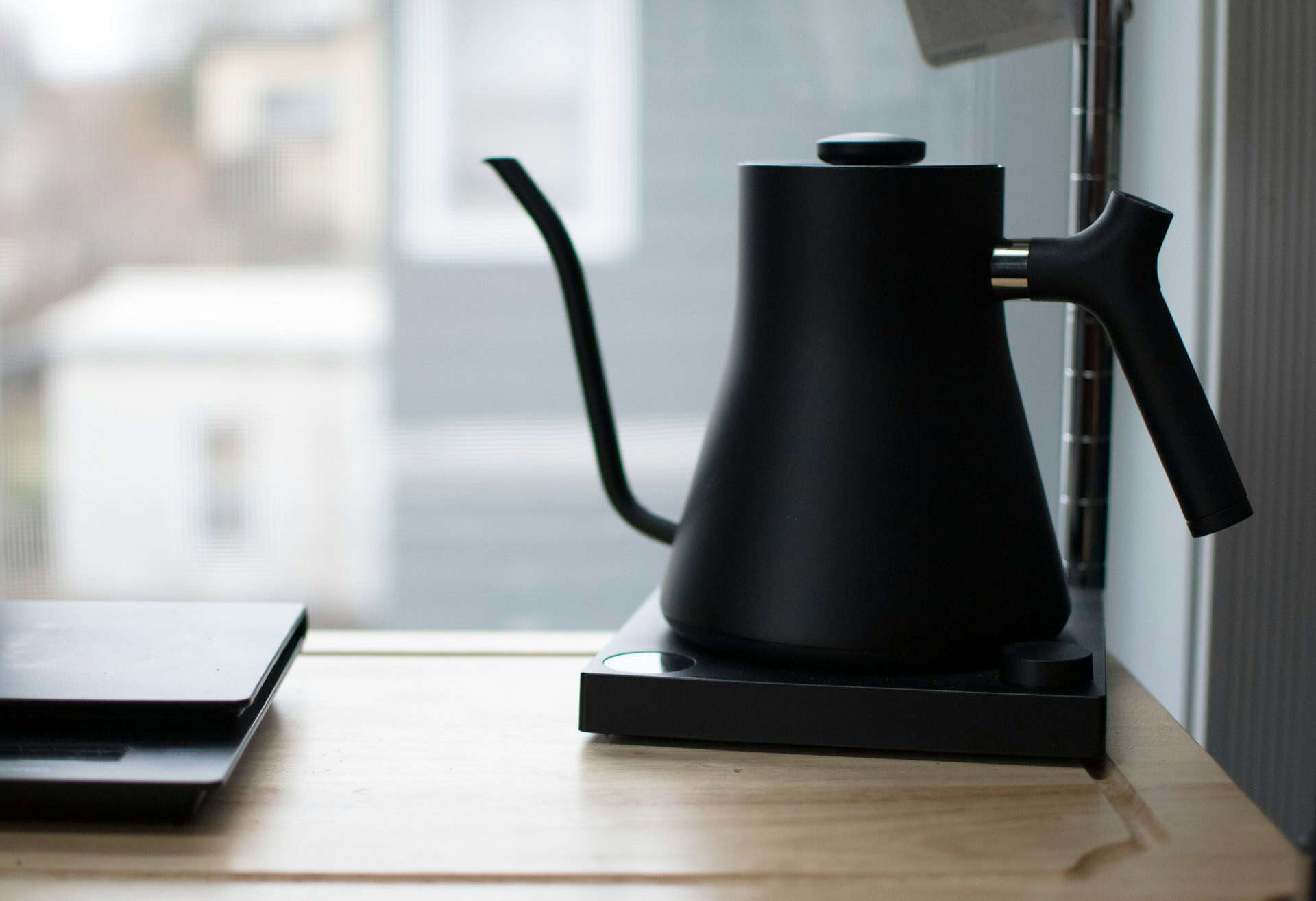
Question: Can Your Toaster Oven or Kettle Actually Melt Your Cabinet Edges?
Answer: Yes, prolonged exposure to heat and steam from a toaster over, kettle or similar appliances can damage the underside of cabinets. This can cause thermofoil, laminate, or painted finishes to melt, warp, or delaminate. Always pull appliances forward to allow for proper ventilation during use.
Could Your Small Kitchen Appliances Be Damaging Your Cabinets?
You probably use your countertop appliances every day without a second thought. Your morning toast pops up from the toaster oven while the kettle whistles, signalling the start of a new day. These small conveniences are essential parts of a modern Canadian kitchen. However, the heat and steam they produce can create a significant, often overlooked, problem for your overhead cabinetry. You may eventually notice peeling, bubbling, or discolouration on the edges and undersides of your cabinets, wondering about the cause. The consistent blasts of hot, moist air from these devices are frequently the direct culprits.
This issue is more than just a minor cosmetic annoyance. It represents gradual damage to one of your home’s most significant investments. The materials used in modern cabinetry, especially thermofoil, vinyl, and laminates, are particularly vulnerable to heat. The adhesives that bond these finishes to the cabinet core can soften and fail when repeatedly exposed to high temperatures. This leads to the finish delaminating or peeling away, exposing the less durable material underneath. So, the central question remains: can your toaster oven or kettle actually melt your cabinet edges? The answer is a definitive yes, and understanding how this happens is the first step toward protecting your kitchen.
How Heat and Steam Cause Damage
The damage inflicted by toaster ovens and kettles stems from two distinct but related forces: direct heat and concentrated steam. A toaster oven, especially one with a broiling or toasting function, radiates a significant amount of heat upwards. This hot, dry air rises directly into the space below your upper cabinets. Over time, this constant thermal exposure dries out finishes, causing paint to crack and lacquers to yellow. More critically, it slowly weakens the glue that holds edge banding and surface veneers in place. The process is gradual, so you may not notice the damage until the adhesive has failed completely and the material starts to peel away.
Electric kettles present a different but equally potent threat. When a kettle reaches a boil, it releases a powerful jet of steam. This intensely hot and moist air shoots directly upward. Unlike the dry heat from a toaster oven, steam introduces moisture. This moisture can penetrate tiny seams in your cabinet construction, causing the underlying composite wood materials like MDF or particleboard to swell and warp. The combination of heat and moisture is especially destructive for vinyl-wrapped or thermofoil doors, as it simultaneously attacks the adhesive bond and compromises the structural integrity of the core material. This one-two punch can quickly lead to irreversible damage to your cabinet doors and frames.
Click the link to get more information about Blue Kitchen Refacing
Related Article: How Do You Prevent UV Rays From Fading Your Cabinet Colour?
Related Article: How Does Kitchen Humidity Affect the Lifespan of Your Cabinets?
How Small Appliances Can Warp Your Upper Cabinets
Your toaster oven or kettle can absolutely cause damage that looks and functions like melted cabinet edges. While the wood core of your cabinet will not liquefy, the surface materials certainly can. For cabinets with a thermofoil or vinyl wrap, the term “melt” is quite accurate. The intense heat softens the plastic veneer and the underlying thermal adhesive. This causes the material to lose its shape, bubble up, and peel away from the cabinet door or frame. The edges, being the most exposed and vulnerable part, are often the first to show this type of severe damage, appearing warped and deformed as if they have melted.
For other cabinet types, the damage might not be a literal melting process, but the final result is just as destructive. On laminate cabinets, the heat-sensitive glue holding the edge banding in place fails. This allows the banding to pull away, exposing the rough and absorbent core. With painted or finished wood, the heat can cause the paint or lacquer to soften and blister. This creates a raised, distorted texture that homeowners often describe as melting. In every scenario, the appliance’s heat output directly compromises the integrity of the cabinet’s finish, leading to visible and often costly damage that ruins the clean lines of your kitchen.
Simple Steps to Protect Your Cabinets from Appliance Heat
Protecting your cabinets does not require a major kitchen renovation. You can prevent most heat and steam damage with a few simple adjustments and habits. The most effective strategy is to manage the space around your heat-producing appliances. Always pull your toaster oven or kettle forward, away from the wall, before you use it. Moving it several inches toward the front edge of the countertop ensures that the rising heat and steam dissipate into the open air of the kitchen instead of being channelled directly onto the underside of your cabinets. Check your appliance’s user manual for specific clearance recommendations, as manufacturers often provide minimum safe distances for operation.
For added protection, especially if your counter space is limited, you can use a physical barrier. A simple heat shield can be incredibly effective. You can purchase specially designed heat-deflecting mats or have a thin piece of stainless steel or aluminum cut to fit the underside of the affected cabinet. This shield will block and disperse the direct radiant heat before it reaches the cabinet surface. Additionally, improving your kitchen’s overall ventilation makes a significant difference. Whenever you are boiling water or using the toaster oven for an extended period, turn on your range hood fan. This helps pull hot, moist air out of the room, reducing its impact on all of your cabinetry.
What to Do If Your Cabinet Edges Are Already Damaged
If you have already noticed peeling or bubbling on your cabinet edges, you still have options. The right course of action depends on the type of cabinet material and the extent of the damage. For very minor issues, a do-it-yourself repair might be possible. If a small section of vinyl wrap or edge banding is peeling, you may be able to reattach it. You can carefully apply a strong, heat-resistant contact cement or construction adhesive designed for laminates. Use painter’s tape to hold the repaired edge firmly in place while the adhesive cures completely. This type of fix works best for small, clean separations where the underlying material is still intact and not swollen.
For more significant damage, such as widespread bubbling, warping, or if the underlying MDF or particleboard has swollen from moisture, a professional repair is the better choice. A skilled cabinet maker or kitchen refinisher can often offer solutions short of a full replacement. They may be able to remove the damaged thermofoil and re-laminate the entire cabinet door, providing a durable and seamless finish. In some cases, replacing only the damaged doors and drawer fronts is a cost-effective option that can restore the look of your kitchen without the expense of tearing out all the cabinet boxes. A professional can accurately assess the damage and recommend the most practical and lasting solution for your situation.
Protecting Your Kitchen Investment
Your kitchen cabinets are a central feature of your home, and protecting them is essential for maintaining its value and appearance. We have established a clear answer to the question: can your toaster oven or kettle actually melt your cabinet edges? The answer is yes, through the focused heat and steam these common appliances produce. This risk is especially high for cabinets with thermofoil, vinyl, or laminate finishes, where adhesives can fail and surfaces can delaminate, peel, or bubble. Even solid wood cabinets are not immune, as their painted or lacquered finishes can crack, discolour, and degrade over time with constant exposure.
Fortunately, prevention is both simple and effective. The most important action you can take is to create space. By simply pulling your appliances forward on the counter before each use, you allow heat and steam to dissipate safely into the room rather than concentrating on the vulnerable surfaces directly above. Enhancing this with better ventilation or a physical heat shield provides an even greater level of protection. Taking these small steps can prevent costly repairs and keep your kitchen looking its best for years. Awareness of the potential danger combined with these easy habits is the most powerful defence for preserving the integrity and beauty of your cabinetry.

Blue Malue Get in touch with Blue here.