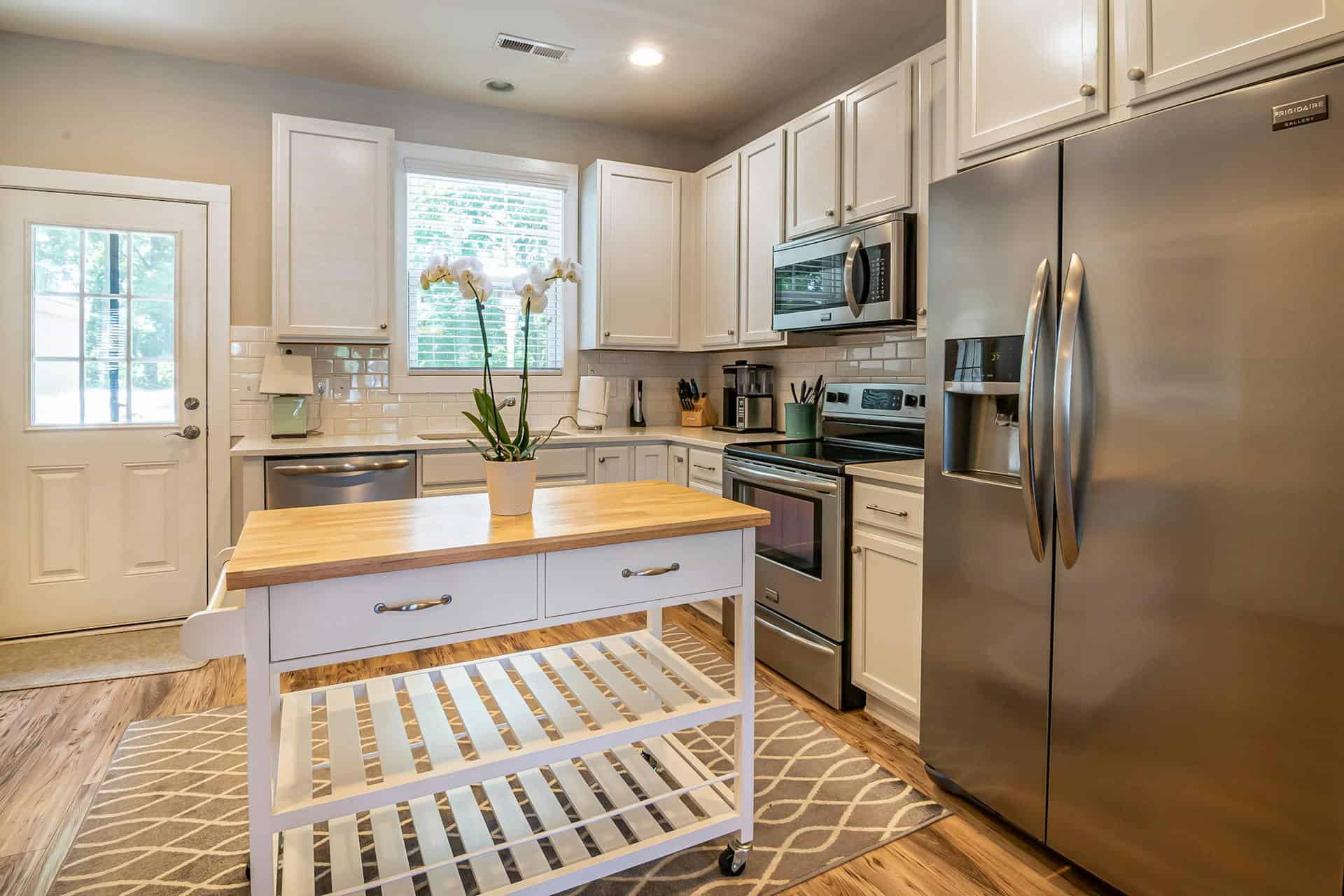
Question: Can a Rolling Island Solve Your Small Kitchen Workflow Issues?
Answer: Yes, a rolling kitchen island can dramatically improve your small kitchen workflow by providing flexible counter space, additional storage, and the ability to create a mobile work zone. This versatility allows you to adapt the kitchen layout as needed, easing congestion and streamlining tasks in a compact space.
How a Rolling Island Can Transform Your Small Kitchen
A small kitchen often presents significant challenges. Limited counter space makes meal preparation feel cramped and disorganized. Poor layouts can turn simple cooking tasks into frustrating exercises in movement. You may find yourself without a convenient place to put down groceries, hot pans, or mixing bowls. This lack of functional surface area and storage directly impacts your kitchen workflow, making the entire process less efficient and enjoyable. Many homeowners with compact kitchens believe their options for improvement are limited to a costly and disruptive renovation.
However, a simple and flexible piece of furniture offers a powerful solution. A rolling kitchen island, also known as a portable island or kitchen cart, introduces versatility that permanent fixtures cannot match. It provides the extra counter space, storage, and organizational capacity you need, exactly where you need it. A rolling island can solve your small kitchen workflow issues by adapting to your specific tasks. You can position it for chopping vegetables near the sink, use it as a serving station when guests arrive, or tuck it away to create more floor space. This article explores how this single addition can resolve common workflow problems and revitalize your kitchen experience.
The Kitchen Workflow in Compact Spaces
Efficient kitchen workflow depends on the relationship between the three primary work centres: the refrigerator, the sink, and the stove. Designers often refer to this as the “kitchen work triangle.” In a well-designed kitchen, movement between these three points is seamless and unobstructed. This arrangement minimizes steps and saves time during cooking. In a small kitchen, however, the ideal triangle is often compromised. The layout might be a straight line in a galley kitchen or have awkward corners, forcing you to take extra steps for every task.
These layout limitations create frequent workflow interruptions. You might lack a proper “landing zone” next to the refrigerator for unloading groceries. You might chop vegetables on one counter and then carry them across the room to the stove. These small inefficiencies add up, creating a sense of clutter and stress. A rolling island directly addresses these problems. You can park it beside the refrigerator to sort food, move it near the stove for prep work, or use it to bridge the distance between two key zones. It effectively creates a new, temporary point in your work triangle, optimizing movement for the task at hand.
Click here to read more about Blue Kitchen Refacing
Related Article: What Is the Best Way to Organize a Deep Corner Cabinet?
Related Article: How Do Pull-Out Spice Racks Save Counter Space?
Choosing the Right Rolling Island for Your Kitchen
Selecting the perfect rolling island requires careful thought about your space, needs, and style. A well-chosen cart will integrate seamlessly into your kitchen and enhance its functionality. A poor choice, however, could become an obstacle that worsens your workflow. To make the best decision, you should evaluate several key factors, from size and material to specific features that will support your daily routines. Taking the time to plan ensures your investment truly solves your kitchen challenges.
Measuring Your Space Correctly
Before you start shopping, you must measure your kitchen accurately. Use a tape measure to determine the available floor space where you plan to use the island. A critical rule for kitchen design is to maintain adequate clearance around the island for safe and comfortable movement. You should leave at least 90 centimetres (about 36 inches) of open space on all sides that serve as walkways. This ensures you can open appliance doors, access cabinets, and walk around without obstruction. Choose an island size that respects these clearance guidelines.
Material and Style Considerations
The island’s material affects its durability, maintenance, and appearance. Stainless steel islands offer a modern, industrial look and are very hygienic and easy to clean. Wood islands, especially those with a butcher block top, provide a warm, traditional feel and are excellent for food prep. Consider your existing kitchen decor. You should try to match the island’s colour and hardware to your current cabinets and countertops for a cohesive look. The countertop material is also important; butcher block requires occasional oiling, while granite or quartz offers a low-maintenance, scratch-resistant surface.
Features to Look For
Modern rolling islands come with a variety of features designed for convenience. Locking casters (wheels) are essential for stability; you must be able to lock the island in place so it does not move while you work. A drop-leaf extension is an excellent feature that provides extra counter space when needed and folds down to save space when not in use. Also look for integrated amenities like a towel bar, spice rack, or wine rack to add specific functionality that suits your lifestyle.
How a Rolling Island Directly Improves Kitchen Tasks
A rolling island is not just a passive addition; it actively participates in your daily kitchen activities. Its mobility allows it to serve different functions throughout the day, streamlining specific tasks that are often awkward in a compact kitchen. For example, during meal prep, you can roll the island to sit beside your main counter. This extends your work surface, allowing you to organize ingredients, use a cutting board, and keep mixing bowls nearby. Everything you need is within arm’s reach, reducing unnecessary steps back and forth across the kitchen.
For baking projects, the island can become a dedicated station. You can use its surface for kneading dough and place hot baking sheets on it to cool, freeing up your stove top and counters. When you have guests, the same island transforms into a perfect serving cart or a mobile bar. You can load it with food and drinks in the kitchen and then roll it into the dining or living area. This versatility shows how a rolling island can solve your small kitchen workflow issues by adapting to a wide range of needs, making every task smoother and more organized.
Potential Drawbacks and How to Avoid Them
While a rolling kitchen island offers many solutions, it is important to acknowledge potential downsides. A poorly chosen or placed island can sometimes create new problems instead of solving old ones. One of the most common issues is obstruction. If the island is too large for the room, it will hinder movement and make the kitchen feel even more cramped. You can avoid this by carefully measuring your space and adhering to the recommended 90-centimetre clearance rule. A smaller, well-proportioned island is always better than a large one that blocks pathways.
Another concern is stability. A flimsy or poorly constructed cart can wobble during use, which is both annoying and unsafe, especially when using knives. To prevent this, invest in a high-quality model made from solid materials like hardwood or stainless steel. Check for sturdy, reliable locking wheels that will hold the unit firmly in place. Finally, consider aesthetics. An island that clashes with your kitchen’s design can look like an afterthought. You can avoid this by selecting an island with a complementary colour, material, and hardware to ensure it integrates beautifully with your existing decor.
Is a Rolling Kitchen Island the Solution for You?
After exploring the benefits and considerations, the answer to “Can a rolling island solve your small kitchen workflow issues?” is a definitive yes for many people. This single piece of furniture offers a powerful and adaptable solution to the most common problems found in compact kitchens. It introduces much-needed counter space for food preparation, provides valuable extra storage for pots and tools, and brings a level of flexibility that fixed installations simply cannot offer. By allowing you to reconfigure your workspace on the fly, a rolling island helps optimize the kitchen work triangle and reduces the frustrating inefficiencies that make cooking feel like a chore.
The key to success lies in making a thoughtful choice. You must assess your specific needs and accurately measure your available space. Consider the tasks you perform most often—do you need a durable surface for chopping, extra shelving for appliances, or a spot that can double as a breakfast bar? By matching the island’s size, materials, and features to your daily habits, you ensure it becomes an indispensable tool. A well-chosen rolling island is more than just an addition; it is a dynamic partner in your kitchen that enhances organization, boosts efficiency, and ultimately brings more joy back into your cooking experience.

Blue Malue Get in touch with Blue here.