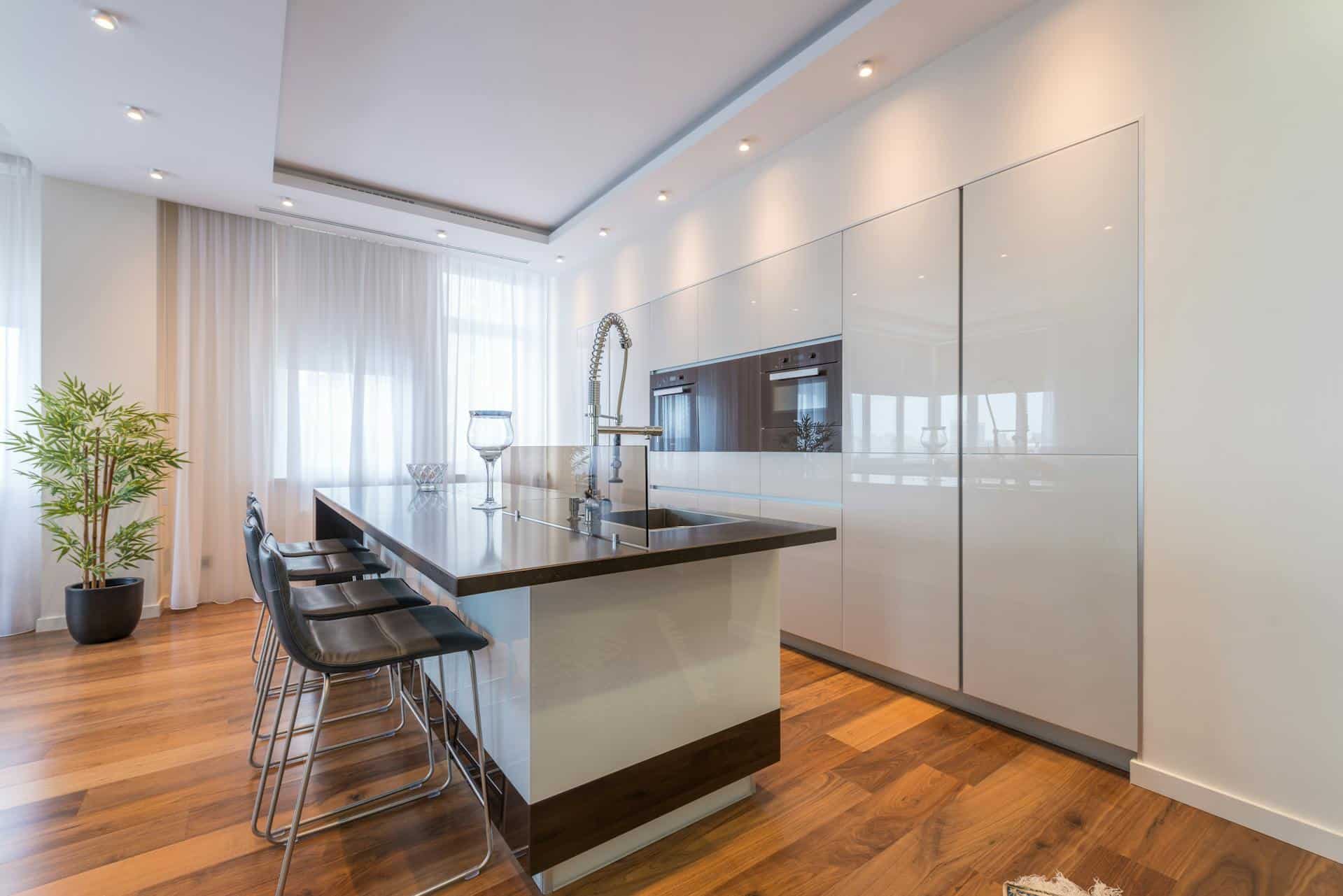
Question: Can Old Kitchen Cabinets Be Refaced?
Answer: Yes, old kitchen cabinets can be refaced if the cabinet boxes are structurally sound. Refacing involves replacing the doors and drawer fronts and applying a new veneer over the existing box frames. It’s a cost-effective way to achieve a new look without a full replacement.
Exploring the Possibility of Refacing Your Old Kitchen Cabinets
Many homeowners want a new kitchen but worry about the high cost of a full renovation. An outdated kitchen can affect your home’s entire feel, yet a complete remodel is a massive undertaking. It involves significant expense, time, and disruption to your daily life. If your kitchen cabinets are old, you might assume that tearing them out and starting over is your only option. However, a powerful and practical alternative exists that can completely transform your space for a fraction of the cost and time.
You can often reface old kitchen cabinets, giving your kitchen a modern look without the need for a full replacement. This process keeps the sturdy framework of your existing cabinets and gives them a brand-new exterior. Cabinet refacing is an ideal solution when the layout of your kitchen works well, but the style of the cabinets is dated. It offers a sustainable, efficient, and beautiful way to achieve the kitchen of your dreams. This article explains how you can determine if your old cabinets are good candidates for refacing.
What Is Kitchen Cabinet Refacing?
Kitchen cabinet refacing is a renovation process that updates the look of your cabinets without replacing them entirely. The core idea is simple: you keep your existing cabinet boxes, also known as carcasses, and replace the visible parts. This includes all cabinet doors, drawer fronts, and hardware. The process provides the visual impact of a brand-new kitchen because every surface you see and touch becomes new. It is a significant cosmetic upgrade that revitalizes your entire kitchen space.
The procedure involves several key steps. First, a professional removes your old cabinet doors and drawer fronts. Next, they prepare the exterior surfaces of your cabinet boxes. They then apply a new veneer of real wood or durable laminate to these surfaces. This veneer perfectly matches your new doors and drawer fronts. Finally, the professional installs the new doors, drawer fronts, and hardware, such as hinges, knobs, and pulls. This method delivers a seamless, factory-finish look that dramatically changes your kitchen’s style.
Click here for more information on cupboard refacing Toronto
Related Article: What Does Cabinet Refacing Include?
Related Article: Can I Add New Cabinet Doors to Existing Cabinets?
The Cabinet Refacing Process Step-by-Step
The cabinet refacing process is systematic and efficient, transforming your kitchen with minimal disruption. It follows a clear sequence of steps that a professional team can typically complete within a few days. Understanding this process helps you know what to expect during your kitchen renovation. The project moves from preparation and surface application to the final installation of new components, resulting in a completely refreshed look. The focus is on quality application for a durable and beautiful finish.
Preparation Phase
The project begins with careful preparation. Installers first remove all existing cabinet doors, drawer fronts, and hardware. They label everything to ensure a smooth reinstallation process later. Next, they thoroughly clean all exterior surfaces of the cabinet boxes to remove grease, dirt, and grime. This step is critical for proper veneer adhesion. After cleaning, they sand the surfaces to create a smooth, ready-to-bond foundation. Any minor imperfections like holes or cracks are filled and sanded at this time.
Veneer Application
Once the cabinet boxes are prepared, the technician applies the new veneer. This thin layer of material can be real wood, laminate, or a rigid thermofoil (RTF). The choice of material will match the new doors and drawer fronts you selected. The professional carefully cuts the veneer to size and applies it to all visible cabinet surfaces, including the face frames and any exposed side panels. They use a strong adhesive and specialized tools to ensure a bubble-free, permanent bond, creating a durable and flawless new finish.
Installation of New Components
The final step brings the transformation to life. The installers hang the brand-new, custom-made cabinet doors using new, often upgraded, hinges. Many homeowners choose soft-close hinges for a modern touch. They also install the new drawer fronts onto your existing drawer boxes. To complete the look, they attach your chosen hardware, including new handles, knobs, or pulls. This final stage is where you truly see the dramatic change, as the new elements come together to define your kitchen’s new style.
Benefits of Refacing Over Replacing Old Cabinets
Choosing to reface your old kitchen cabinets offers numerous advantages compared to a full replacement. This approach provides a smart balance of aesthetic improvement, financial savings, and convenience. Homeowners who opt for refacing often find it to be a highly effective way to achieve their renovation goals without the drawbacks of a major construction project. The benefits extend beyond just the final look, making it an appealing option for many different situations. It is a practical choice that delivers significant value.
The primary benefits make refacing a popular choice for kitchen updates. It addresses the most common desire for a style change while preserving the functional parts of the existing kitchen. This efficiency is what sets it apart from other renovation methods.
-
Cost Savings
Refacing your cabinets typically costs 30% to 50% less than installing brand-new custom or semi-custom cabinets. You save money because you are not paying for new cabinet boxes, and the labour required is less extensive. This allows you to allocate your budget to other upgrades, like new countertops or appliances. -
Time Efficiency
A professional cabinet refacing project is remarkably fast. Most projects are completed in just two to five days. In contrast, a full cabinet replacement can take weeks or even months, from tear-out to installation. Refacing minimizes the time your kitchen is out of commission, allowing you to get back to your routine quickly. -
Reduced Waste
Refacing is an environmentally responsible choice. By keeping your existing cabinet boxes, you prevent them from ending up in a landfill. This reduces construction waste and conserves the resources needed to manufacture and transport new cabinets. It is a simple way to make your renovation more sustainable. -
Less Disruption
A full kitchen demolition is messy, noisy, and disruptive. Cabinet refacing is a much cleaner and quieter process. Your kitchen remains largely functional throughout the project, as the plumbing, electrical systems, and major appliances are not affected. This makes the renovation experience far less stressful for you and your family.
Potential Drawbacks and Limitations to Consider
While cabinet refacing is an excellent solution for many kitchens, it does have some limitations. It is important to have a balanced perspective and understand the situations where refacing might not be the best fit. Recognizing these potential drawbacks helps you make a fully informed decision about your kitchen renovation project. If your renovation goals go beyond a cosmetic update, you might find that a more comprehensive approach is necessary. Carefully consider your kitchen’s current state and your long-term needs.
The primary limitation of refacing is that it does not alter your kitchen’s existing footprint. If you are unhappy with the current layout of your cabinets and appliances, refacing will not solve that problem. Changing the kitchen’s flow or adding an island requires a full remodel. Similarly, refacing only updates the exterior of your cabinets. If the interiors are in poor condition, with damaged shelves or deteriorating materials, covering the outside will not fix these underlying issues. You would still be left with old, worn-out cabinet interiors.
The condition of your cabinet boxes is also a critical factor. Refacing is only viable if the boxes are structurally sound. If your cabinets are made of particleboard that has suffered significant water damage, or if the frames are warped or broken, they are not suitable candidates. In such cases, replacement is the only safe and durable option. A professional can help you assess the condition of your cabinet boxes to determine if they can support a refacing project.
Is Refacing the Right Choice for Your Old Kitchen?
You can definitely reface old kitchen cabinets, and for many homeowners, it is the perfect solution. This process provides a stunning visual transformation without the high cost, long timeline, and major disruption of a complete cabinet replacement. The key determining factor is the condition of your cabinet boxes. If your cabinet framework is structurally sound, clean, and functional, you can confidently choose refacing to create the kitchen aesthetic you desire. It allows you to introduce new colours, styles, and materials to your space effectively.
Refacing offers an ideal middle ground between a simple paint job and a full-scale renovation. It delivers the high-impact look of new cabinets while being a more sustainable and budget-friendly choice. By replacing the doors, drawer fronts, and hardware and applying a new veneer, you can completely change your kitchen’s character. Before you commit to a full tear-out, take the time to inspect your existing cabinets. You may discover that the solid boxes of your old cabinets are the perfect foundation for a beautiful and modern new look.

Blue Malue Get in touch with Blue here.