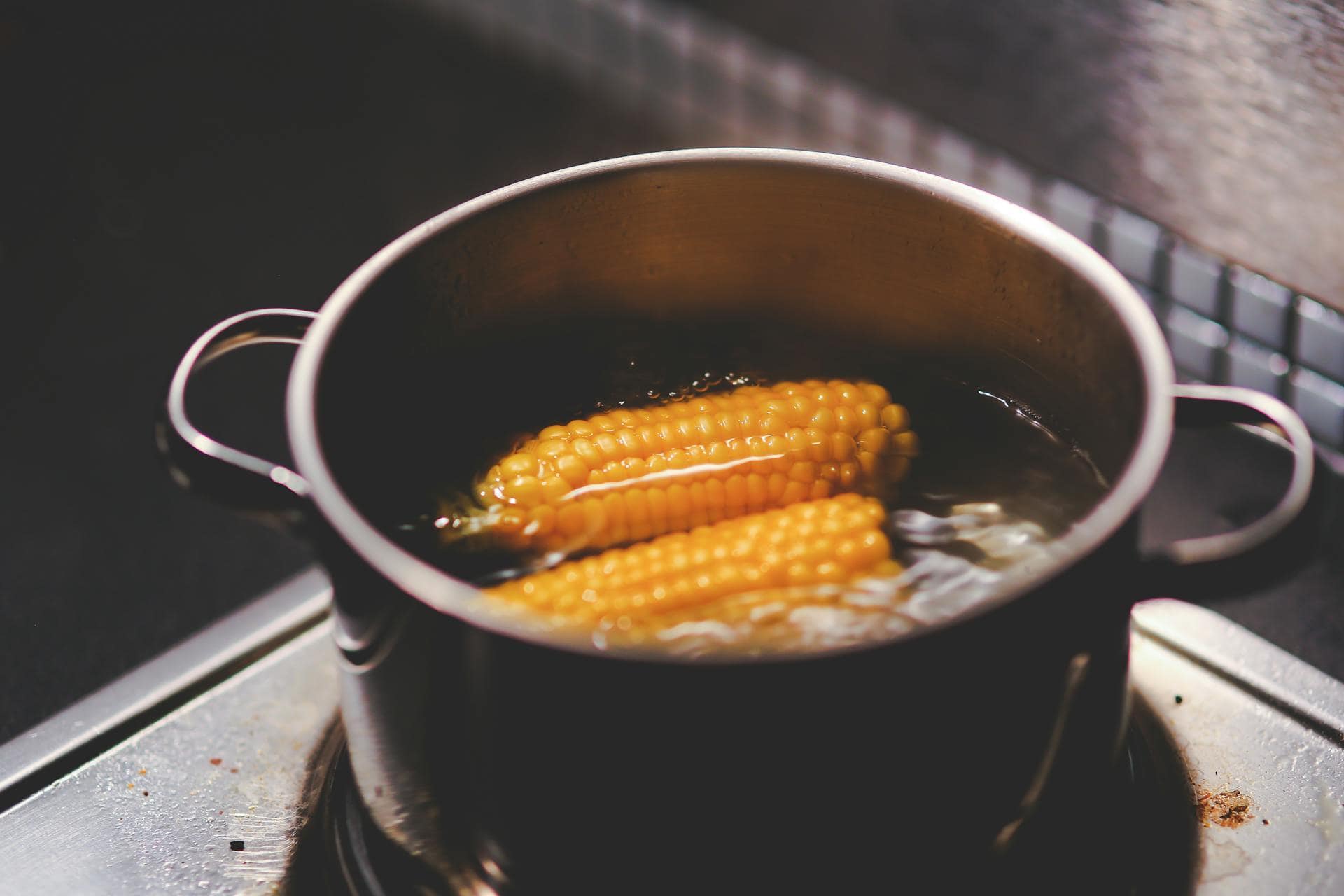
Question: Can You Pour Boiling Water Into a Quartz Kitchen Sink?
Answer: No, you should not pour boiling water directly into a quartz kitchen sink. The quick temperature change can cause thermal shock, potentially leading to cracks or discoloration. To prevent damage, always run cold water simultaneously to temper the heat and protect the sink’s surface and resin binders from damage.
Pouring Boiling Water in a Quartz Sink: The Real Answer
Many people use their kitchen sink every day for tasks like draining pasta or discarding hot coffee. These actions often involve pouring boiling water directly into the basin. If you own a beautiful quartz sink, you might pause and wonder about this common practice. Can you pour boiling water into a quartz kitchen sink without causing damage? The answer requires a deeper understanding of what quartz sinks are and how they react to extreme temperature changes. While quartz is known for its impressive durability, it is not completely immune to the effects of high heat.
This question is important because a kitchen sink is a significant investment for any home. Protecting that investment means learning the correct care procedures. The primary danger to a quartz sink from boiling water is a phenomenon called thermal shock. This occurs when a part of the sink heats up much faster than the rest, creating internal stress within the material. Over time, this stress can lead to visible damage that ruins the sink’s appearance and functionality. This article explains the composition of quartz sinks, the risks of thermal shock, and the simple, effective methods you can use to keep your sink in pristine condition for years.
What Makes Quartz Sinks So Durable?
Quartz sinks are not carved from a solid slab of quartz stone. They are composite sinks, which means they are engineered products. Manufacturers create them by mixing crushed natural quartz stone with a powerful acrylic resin binder. Typically, the mixture contains about 70-80% quartz and 20-30% resin. This combination produces a material with exceptional strength and a non-porous surface. The high percentage of quartz, one of the hardest minerals on earth, gives the sink its incredible resistance to scratches, chips, and impacts from daily use.
The resin binder serves a critical purpose. It holds the quartz crystals together and fills any microscopic gaps, making the sink’s surface completely sealed. This non-porous quality prevents food particles and liquids from seeping in, which makes quartz sinks highly resistant to stains and easy to clean. However, this same resin binder is the component most vulnerable to high temperatures. While natural quartz can withstand immense heat, the acrylic resin can soften, discolour, or weaken when exposed to sudden, extreme temperature changes. Understanding this composition is key to answering the question, “can you pour boiling water into a quartz kitchen sink?”. The sink’s durability comes from the stone, but its vulnerability comes from the resin.
Click here for more information on refacing kitchen cabinet doors in Toronto
Related Article: Which Is Better, Quartz or Steel Kitchen Sink?
Related Article: Can You Pour Boiling Water in a Composite Kitchen Sink?
Potential Damage from Hot Water Exposure
Failing to protect your quartz sink from thermal shock can lead to several types of permanent damage. The sudden stress from boiling water compromises the material’s integrity, resulting in costly and often irreparable issues. Homeowners should understand these specific risks to appreciate the importance of proper care. The damage is not always immediate but can accumulate with each exposure to high heat, making prevention essential.
-
Cracking or Fracturing
The most severe outcome of thermal shock is cracking. The stress from rapid expansion can cause fine hairline fractures to appear on the surface. In some cases, a significant temperature change can result in a large, visible crack that compromises the sink’s ability to hold water. This type of structural damage is very difficult and expensive to repair effectively.
-
Discolouration or Staining
The acrylic resin that binds the quartz is susceptible to heat-related discolouration. Pouring boiling water directly onto the sink can cause the resin to yellow or bleach, creating a permanent stain. This effect is often more noticeable on lighter-coloured sinks, such as white, beige, or grey models. Once the resin’s colour changes due to heat, you cannot reverse it with cleaning products.
-
Warping or Bubbling
In sinks of lower quality or with a higher resin content, intense heat can cause the resin to soften. This softening may lead to a warped or bubbled surface texture. The sink’s finish, which was once smooth and uniform, can become uneven and unattractive. This type of physical deformation affects both the sink’s look and its ease of cleaning, as grime can collect in the uneven areas.
How to Safely Pour Boiling Water in Your Kitchen
You can safely handle boiling water in your kitchen without putting your quartz sink at risk. The key is to avoid creating the conditions for thermal shock. By implementing a few simple habits, you can protect your sink from damage and ensure it stays beautiful for its entire lifespan. These preventative measures are easy to incorporate into your daily routine and require no special tools or products. They work by minimizing the temperature difference between the boiling water and the sink’s surface.
-
Always Run Cold Water
This is the most effective and simplest method of protection. Before you pour the boiling water, turn on the cold water tap. Continue running the cold water as you slowly pour the hot liquid into the sink. The cold stream immediately mixes with the boiling water, lowering its temperature significantly before it makes widespread contact with the quartz surface. This simple action neutralizes the threat of thermal shock.
-
Aim for the Metal Drain
Your sink’s drain and garbage disposal flange are typically made of stainless steel or another durable metal. These components can handle high temperatures much better than the quartz composite material. When possible, aim your pour so the boiling water goes directly down the drain. This minimizes contact with the vulnerable quartz surface.
-
Never Place Hot Pans Directly in the Sink
The risk from a hot pot or pan is even greater than that from boiling water. A pan straight from the stove can transfer a large amount of sustained heat to a single spot. This causes intense, prolonged thermal stress. Always place a protective sink mat or a trivet on the bottom of the sink before setting down a hot pan.
Checking Your Warranty for Thermal Shock Coverage
Many homeowners assume their product warranty will cover any damage that occurs. When it comes to quartz sinks, this is rarely the case for heat-related issues. Most sink manufacturers explicitly exclude damage caused by thermal shock from their warranty coverage. They classify such incidents as a result of improper use or failure to follow care instructions, not as a defect in the material or manufacturing process. This means that if your sink cracks or discolours from boiling water, you will likely be responsible for the full cost of repair or replacement.
Before installing or using your sink, you should always read the warranty documentation provided by the manufacturer. Look for specific clauses that mention heat resistance, thermal shock, or damage from hot pots and liquids. Understanding the limitations of your warranty reinforces the importance of adopting safe practices. The manufacturer provides a high-quality product, but its longevity depends on your adherence to proper care guidelines. Protecting your sink from thermal shock is not just about preserving its appearance; it is also about protecting your financial investment and avoiding a costly replacement project.
Protecting Your Quartz Sink for Long-Term Value
So, can you pour boiling water into a quartz kitchen sink? The final answer is yes, but only with the right precautions. Pouring boiling water directly onto a dry, room-temperature quartz surface is a significant risk that can lead to permanent damage. The engineered nature of quartz composite, specifically its resin binder, makes it vulnerable to the intense stress of thermal shock. This can cause unsightly discolouration, weakening of the material, and even structural cracks that ruin the sink entirely. Ignoring these risks can turn a durable, long-lasting fixture into a damaged one surprisingly quickly.
Fortunately, protecting your investment is simple. The key is to always buffer the extreme temperature change. By running cold water simultaneously, you can safely drain pasta, potatoes, or any other hot liquid without worry. This single, easy habit effectively eliminates the risk of thermal shock. By following this guideline and avoiding placing hot cookware directly on the sink’s surface, you ensure your quartz sink remains a functional and beautiful centrepiece in your kitchen for many years. Proper care allows you to enjoy all the benefits of quartz—its strength, style, and hygienic surface—without experiencing its few vulnerabilities.

Blue Malue Get in touch with Blue here.