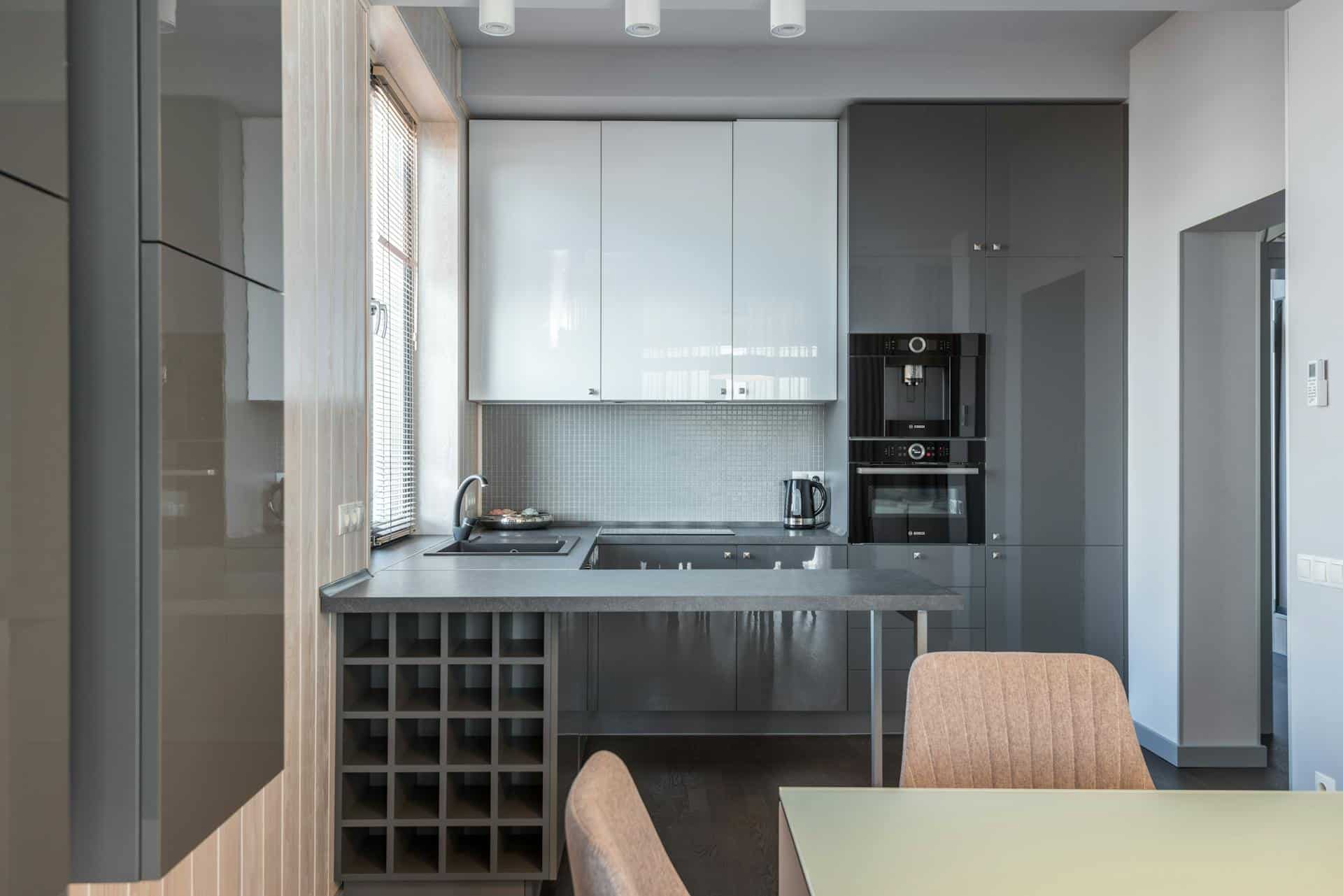
Question: How Can You Fit a Dining Area Into a Small Kitchen?
Answer: To fit a dining area into a small kitchen, maximize space with a wall-mounted fold-down table, a narrow breakfast bar with stools, or corner banquette seating. A compact bistro set is another excellent option that creates a functional dining spot without consuming valuable floor space.
Creating a Dining Nook in a Compact Kitchen Space
You may believe a small kitchen cannot accommodate a dedicated dining area. Limited floor space often forces meals onto the sofa or into another room entirely. This separation can feel disjointed and inconvenient for daily life. People want a comfortable spot to enjoy a morning coffee or share a meal without leaving the kitchen’s warmth and convenience. The challenge is clear: you need to create a functional eating space without causing clutter or disrupting the kitchen’s primary workflow. A small kitchen requires creative thinking and strategic planning to achieve this goal.
Successfully fitting a dining area into a small kitchen is entirely possible with the right approach. You can transform a cramped corner into a cozy and practical dining nook. This process involves selecting appropriate furniture, utilizing vertical space, and making clever layout decisions. The solution does not require extensive renovations or a large budget. Instead, it relies on smart choices that maximize every square centimetre available. This article provides practical solutions to help you fit a dining area into your small kitchen, enhancing both its function and its appeal for everyday living and entertaining guests.
Choose Smart Furniture for Small Kitchens
The right furniture is fundamental when you want to fit a dining area into a small kitchen. Bulky tables and chairs will overwhelm the space, making movement difficult. You should look for pieces with a small footprint and flexible features. Slim profiles, clean lines, and light-coloured materials help create an illusion of spaciousness. Avoid heavy, dark wood furniture that can make a room feel smaller and more crowded. Transparent materials like acrylic or glass for chairs and tabletops can also make furniture seem less obtrusive, as they allow light to pass through them.
Consider furniture that can adapt to your needs throughout the day. Multi-functional pieces provide seating and dining space when you need it and store away easily when you do not. This flexibility is key to maintaining a functional kitchen layout. We have compiled a list of excellent furniture options that save space while providing a comfortable dining experience.
-
Drop-Leaf or Gateleg Tables
These tables feature hinged sections that you can fold down when not in use. This design allows you to expand the table surface for meals and then collapse it to a narrow console size, freeing up valuable floor space for cooking and preparation. They are a classic solution for compact areas. -
Round Pedestal Tables
A round table has no sharp corners, which makes navigating around it in a tight space much easier. A pedestal base eliminates the four legs typically found on a square or rectangular table, offering more legroom and allowing you to tuck chairs in completely. This design choice creates a cleaner look and improves traffic flow. -
Folding or Stacking Chairs
Choose chairs that you can easily store when they are not needed. Folding chairs can hang on wall hooks, while stacking chairs can fit neatly in a closet or corner. This prevents them from cluttering the kitchen when you are not eating, which is essential for maintaining an open and usable workspace.
Please visit this page to read more about Blue Kitchen Refacing
Related Article: Is a Single-Bowl Sink Better Than a Double-Bowl for Small Counters?
Related Article: Can a Pegboard Wall Be the Ultimate Small Kitchen Organizational Tool?
Integrate Dining into Your Kitchen Layout
You can often fit a dining area into a small kitchen by cleverly modifying existing elements. Instead of adding separate furniture, consider how your current layout can serve a dual purpose. This method creates a cohesive look and saves precious space. Many modern kitchen designs incorporate this principle from the start. A kitchen island or a peninsula can easily become the centrepiece of your new dining spot with just a few adjustments. This approach is efficient because it builds upon the structures you already have.
Extending your countertop is one of the most effective ways to create a dining area. If you have a kitchen island or a peninsula, you can extend the countertop by 25 to 30 centimetres to create an overhang. This simple extension provides enough space to tuck a few low-profile bar stools underneath. This creates a casual breakfast bar perfect for quick meals or socializing while someone cooks. The seating remains out of the main traffic path, keeping your kitchen workflow efficient. This solution feels intentional and looks professionally integrated into your kitchen’s design.
A mobile kitchen cart or trolley offers a flexible alternative. Choose a cart that is countertop height and has a sturdy surface. You can use it for extra food preparation space while cooking. When it is time to eat, you can roll it into position and use it as a small dining table for one or two people. Some kitchen carts even come with a drop-leaf extension to provide a larger dining surface when needed. This versatility makes it a powerful tool for anyone wondering how to fit a dining area into a small kitchen without a permanent fixture.
Use Layout and Light to Create Space
How you arrange your kitchen and use lighting can dramatically affect how large the space feels. A well-planned layout and strategic lighting can make even a tiny kitchen feel open and accommodating for a dining area. The goal is to create a visual sense of expansion. Start by analyzing the flow of your kitchen. Identify the areas with the most foot traffic and ensure your dining setup does not obstruct these paths. The path between the refrigerator, sink, and stove should always remain clear for safety and efficiency.
Position your dining area near a source of natural light, such as a window. Sunlight makes any space feel bigger, brighter, and more inviting. Placing a small table and chairs by a window creates a pleasant spot for meals and visually separates the dining nook from the main cooking zone. If a window is not available, you can use mirrors. Placing a large mirror on the wall adjacent to your dining set will reflect light and the room itself, creating an illusion of depth and openness. This simple trick can have a significant impact.
Artificial lighting also plays a crucial role. A single, harsh overhead light can make a kitchen feel small and utilitarian. Instead, use layered lighting to define zones and add warmth. Install a stylish pendant light directly over your dining table. This not only illuminates the eating area but also acts as a visual anchor, defining it as a distinct space. Under-cabinet lighting can brighten your countertops, making the whole kitchen feel more expansive. Using light colours on your walls, cabinets, and even your dining furniture will reflect more light and contribute to a feeling of spaciousness.
Adopt a Minimalist Approach to Your Kitchen
Clutter is the primary enemy of small spaces. To successfully fit a dining area into a small kitchen, you must first clear the decks. A minimalist mindset involves keeping only the essential items and ensuring everything has a designated storage place. Excess appliances, utensils, and decor on countertops will make your kitchen feel chaotic and cramped, leaving no room for a dining setup. Before you add a table and chairs, take the time to declutter your kitchen thoroughly. Evaluate every item and decide if it is truly necessary for your daily routine.
Start by clearing all your countertops. Store small appliances like toasters and blenders in cabinets or a pantry when you are not using them. Use wall-mounted magnetic strips for knives and hanging racks for utensils to free up drawer and counter space. The less visual noise you have, the larger and more serene your kitchen will feel. This newfound open space might be the perfect spot for your new dining nook. A clean, organized environment makes cooking more enjoyable and creates the calm atmosphere needed for a pleasant dining experience.
Effective storage is the foundation of a minimalist kitchen. Use cabinet organizers, drawer dividers, and pull-out shelves to maximize every inch of storage. When your kitchen is organized, you can easily find what you need without creating a mess. This efficiency supports a dual-purpose space. With everything neatly tucked away, your kitchen can transition smoothly from a functional workspace to a comfortable dining area. A minimalist approach allows your small kitchen to breathe, making it possible to incorporate a dining spot that feels intentional rather than forced.
Your Small Kitchen Can Include a Dining Area
You can fit a dining area into a small kitchen with thoughtful planning and clever strategies. The belief that a compact kitchen cannot support a dining space is a common misconception. By implementing the right solutions, you can create a functional and inviting area for meals. This transformation does not require a costly remodel. It simply requires a new perspective on how you use your available space. From choosing adaptable furniture to maximizing your walls, each strategy contributes to a more versatile and enjoyable kitchen environment. You can reclaim your kitchen as a social hub for dining and daily connection.
Success lies in combining several tactics. Select a drop-leaf table and stacking chairs to save floor space. Install a wall-mounted table or build a corner banquette to use vertical areas effectively. You can also extend your countertop to create a breakfast bar for casual seating. Remember to use light, colour, and mirrors to create an illusion of spaciousness, making your dining nook feel open and comfortable. Finally, a commitment to minimalism and decluttering will keep the area functional and serene. By applying these ideas, you will solve the puzzle of how to fit a dining area into a small kitchen and enhance your home’s value and your daily life.

Blue Malue Get in touch with Blue here.