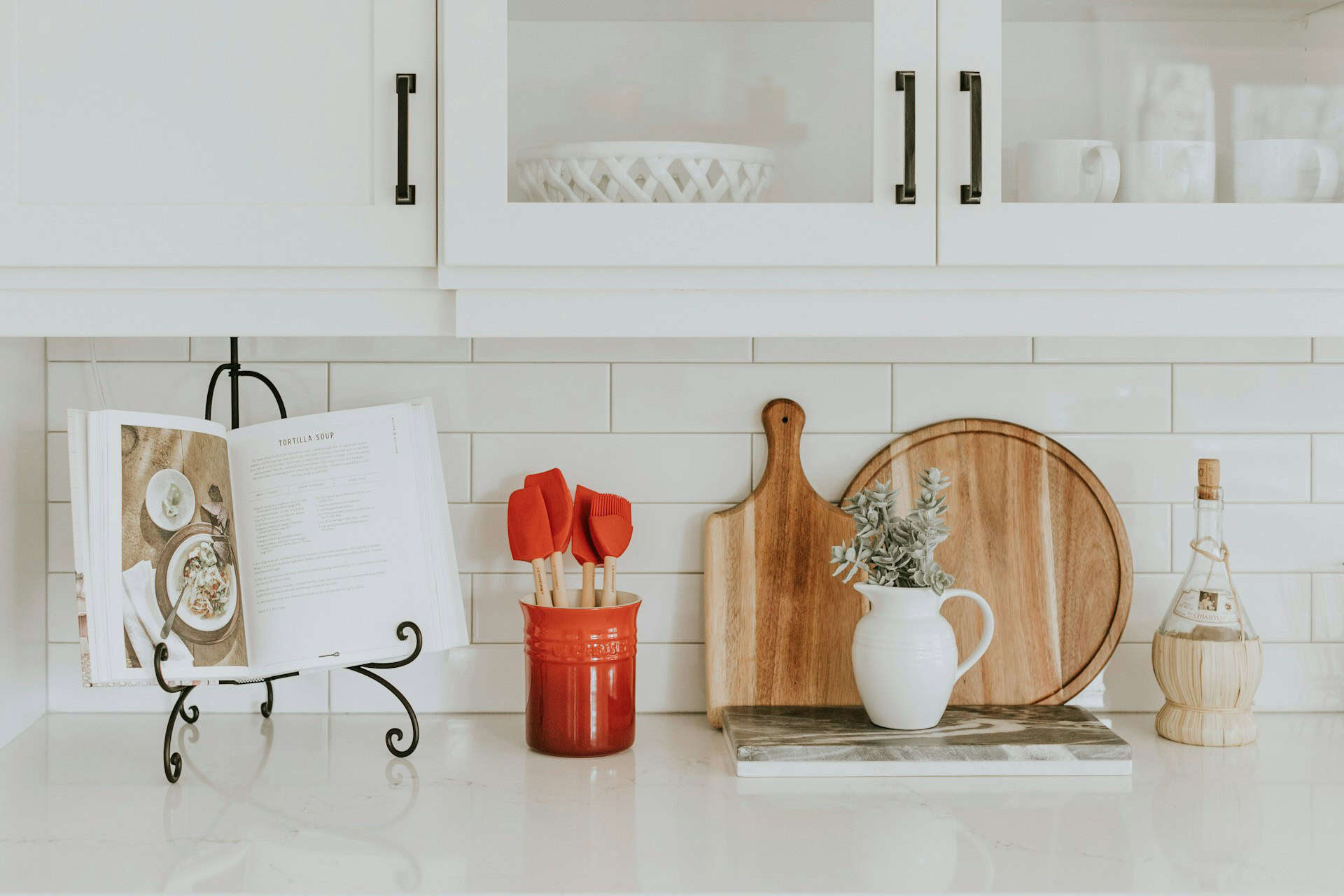
Question: How Do Glass-Front Cabinet Doors Impact the Perception of Space?
Answer: Glass-front cabinet doors make a space feel larger and more open. They create an illusion of depth by allowing the eye to see into the cabinet, and their reflective surface bounces light, brightening the room and breaking up the visual weight of solid cabinetry.
How Glass Cabinet Doors Alter Your Kitchen’s Sense of Space
The choice of cabinet doors fundamentally shapes a kitchen’s character and atmosphere. While solid doors offer a uniform and classic look, glass-front cabinet doors provide a unique opportunity to influence the perception of space. They are a powerful design element that can make a room feel larger, brighter, and more inviting. Understanding how glass doors impact a kitchen’s dimensions is key to creating a functional and visually appealing environment. They move beyond simple storage solutions and become active participants in your home’s interior design.
Glass-front doors work by creating visual depth and manipulating light. Unlike opaque surfaces that stop the eye, transparent or translucent glass allows vision to travel deeper into the cabinet. This simple trick extends the perceived boundaries of the room. The effect is particularly noticeable in smaller or darker kitchens where every element counts. By breaking up monotonous rows of solid cabinetry, glass doors introduce variety and lightness, preventing the space from feeling heavy or enclosed. They invite light to interact with the room in new ways, enhancing the overall feeling of openness.
Creating an Illusion of Depth and Openness
Solid cabinet doors create a distinct visual boundary. Your eyes see a flat, solid surface, which effectively forms a wall within your kitchen. This can make the room feel contained and sometimes smaller than it actually is. Glass-front cabinet doors directly counter this effect. By providing a window into the cabinet’s interior, they add a new layer of visual depth. Your gaze can travel past the frame of the door to the back of the cabinet, making the wall seem further away. This small extension of visual space, when multiplied across several cabinets, significantly contributes to a more open feeling.
This illusion of depth is a strategic tool in interior design, especially for compact areas like galley kitchens or small apartments. In these settings, continuous solid upper cabinets can feel imposing. Introducing glass fronts on some or all of these cabinets breaks up that solid mass. It creates negative space and visual relief, which helps the kitchen breathe. The room appears less crowded and more expansive because the cabinetry no longer presents an abrupt visual stop. This simple change transforms cabinets from bulky boxes into airy display features.
Click the link to read more about Blue Kitchen Refacing
Related Article: What Role Does Under-Cabinet Lighting Play in a Small Kitchen?
Related Article: Does a High-Gloss Finish Make a Small Kitchen Look Brighter?
Different Types of Glass and Their Spatial Effects
The type of glass you select for your cabinet doors directly influences their impact on the room’s perceived size and style. Each option offers a different balance of transparency, light reflection, and visual texture. Choosing the right one depends on your organizational habits and aesthetic goals. Understanding these differences helps you make an informed decision that best suits your kitchen’s needs.
-
Clear Glass
Clear glass provides the maximum visual extension. It offers an unobstructed view of the cabinet’s contents, creating the strongest illusion of depth. This choice is perfect for displaying attractive dishware, heirlooms, or a colourful collection of cookbooks. Because everything is visible, clear glass demands consistent organization. A tidy interior enhances the feeling of spaciousness, while clutter can make the room feel chaotic and negate the benefits.
-
Frosted Glass
Frosted or etched glass is an excellent compromise between openness and privacy. It obscures the specific details of the cabinet’s contents, showing only shapes and colours. This translucency allows light to pass through and reflect, so you still get the space-enhancing benefits. Frosted glass provides a sense of depth without the pressure of maintaining a perfectly curated display, making it a practical choice for storing everyday items.
-
Textured Glass
Seeded, ribbed, or reeded glass introduces pattern and character. These textures distort the view into the cabinet while still playing with light in interesting ways. The subtle patterns can catch and refract light, adding a sparkle and visual interest that plain surfaces lack. Textured glass adds a layer of decorative detail and contributes to a sense of depth, making it a versatile option for various kitchen styles, from traditional to modern.
Strategic Placement for Maximum Impact
Where you place your glass-front cabinets is just as important as choosing to use them. Strategic installation maximizes their ability to alter the perception of space. A common and effective strategy is to install them on upper cabinets. This placement draws the eye upward, creating a sense of verticality that can make ceilings feel higher. By lightening the visual weight of the upper half of the room, you make the entire kitchen feel more balanced and airy. Placing glass cabinets on either side of a window or a range hood can create a pleasing symmetry and frame a central focal point.
You do not need to replace all your solid doors with glass. Using them selectively can create a more impactful and sophisticated design. Consider dedicating one section of your kitchen, such as the area around a coffee bar or a butler’s pantry, to glass-front cabinetry. This creates a designated feature or display zone. Alternatively, a standalone hutch with glass doors can serve as a beautiful furniture piece that adds character and openness without overwhelming the main kitchen layout. This thoughtful placement ensures you get the spatial benefits without sacrificing all your concealed storage.
Balancing Aesthetics with Practical Considerations
While glass-front cabinets offer significant aesthetic advantages, they also come with practical considerations. The most obvious is the need for cleanliness. Glass surfaces show fingerprints and smudges more readily than wood or laminate, so they require more frequent wiping to maintain a pristine appearance. This is a small trade-off for the brightness and sense of space they provide. The visibility of the cabinet’s interior also means that organization is key. What is stored inside becomes part of the room’s decor.
This requirement for tidiness can be viewed as a positive attribute. It encourages you to keep your cabinets orderly and to periodically declutter your dishware. For items that are less visually appealing, you can use decorative bins or baskets to maintain a neat look behind the glass. You can also mix and match, using glass doors for cabinets with beautiful items and solid doors for pantries or storage for pots and pans. This hybrid approach gives you the best of both worlds: the expansive feel of glass and the practical, hidden storage of solid doors.
Conclusion
Glass-front cabinet doors are a remarkably effective tool for influencing a kitchen’s atmosphere. They directly address common design challenges, such as limited space and insufficient light, by introducing depth and brightness. By allowing the eye to see through to the back of the cabinet, they break down visual barriers and create an illusion of a larger area. This added depth, combined with the reflective quality of glass, transforms a kitchen from a purely functional room into a brighter, more open, and welcoming environment. The impact is both immediate and significant, making the entire space feel more expansive.
The success of this design choice hinges on thoughtful selection and placement. The type of glass—whether clear, frosted, or textured—determines the level of transparency and visual interest. Strategic positioning, such as on upper cabinets or as a focal point, maximizes the space-enhancing effects. While they require a bit more attention to organization and cleaning, the payoff is a kitchen that feels larger and more sophisticated. Ultimately, glass-front cabinets offer a powerful way to shape your kitchen’s perception, proving that smart design choices can change how you experience your home.

Blue Malue Get in touch with Blue here.