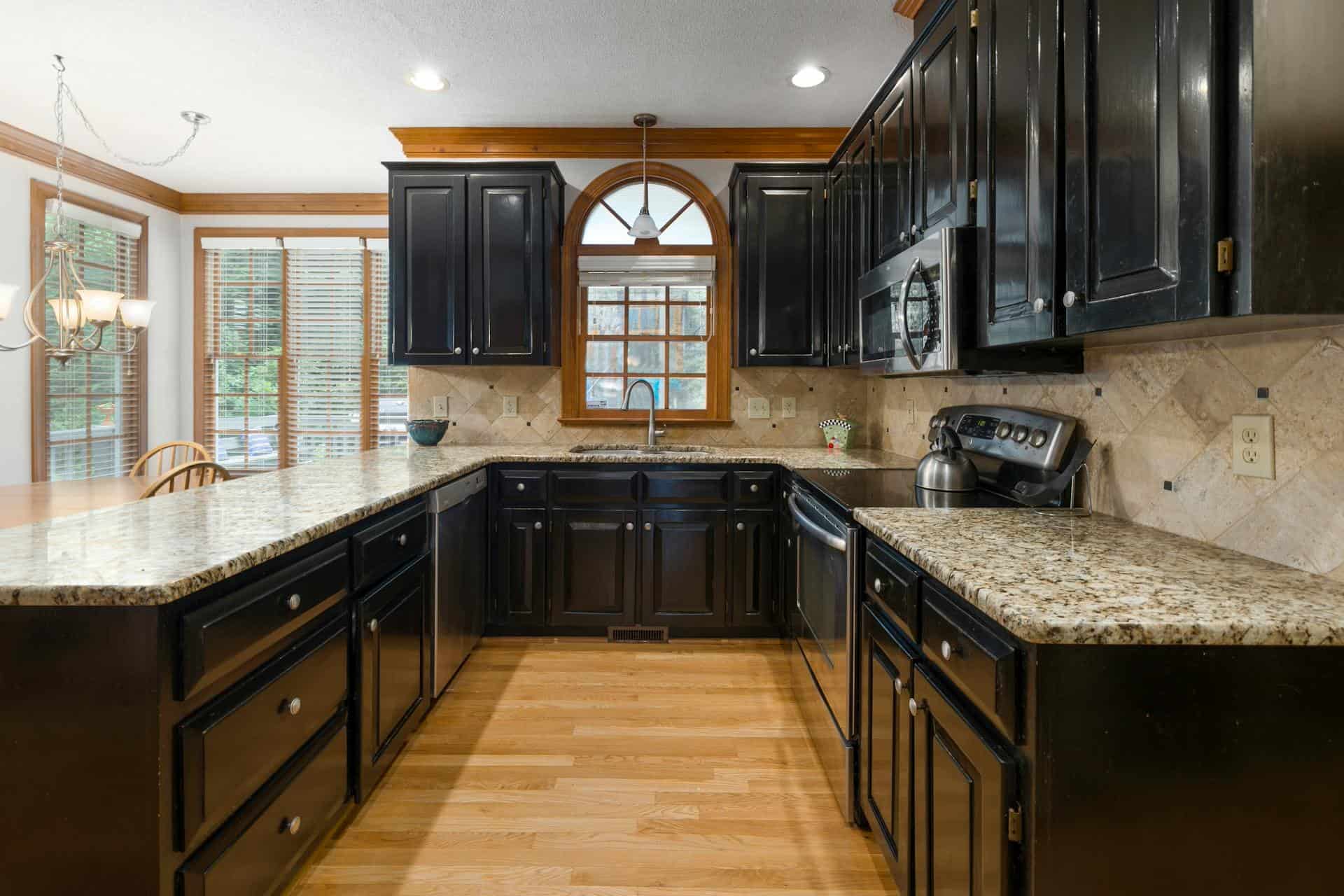
Question: How Do You Remove Stubborn Water Spots From Dark Cabinets?
Answer: To remove stubborn water spots from dark cabinets gently rub the area with a soft cloth dampened in a 50/50 solution of white vinegar and water. For very tough spots, use a paste of baking soda and water, then wipe clean and apply furniture polish.
Effectively Removing Persistent Water Marks on Dark Kitchen Cabinets
Dark cabinets bring a sense of depth, luxury, and modern style to any kitchen or bathroom. Their rich, deep colour creates a dramatic backdrop, making other design elements pop. However, this beautiful aesthetic comes with a unique challenge: the high visibility of water spots. Even a small splash from the sink can evaporate and leave behind a distracting, chalky white ring that stands out against the dark finish. These spots are mineral deposits, primarily calcium and magnesium, that remain on the surface after the water has gone. They can make pristine cabinets look dull and poorly maintained.
Finding a reliable solution can feel difficult. Some worry that using the wrong cleaner or technique will damage the cabinet’s finish, leading to a much larger problem than a simple water spot. Harsh chemicals can strip the sealant, bleach the colour, or create a permanent hazy patch. The good news is that you can restore the flawless look of your cabinetry without resorting to aggressive products. The key is to understand what causes these marks and to use gentle, methodical techniques.
We will look at why these spots form, detail several safe removal methods using common household items, and outline a step-by-step process for the best results. You will also learn valuable prevention strategies to keep your cabinets looking immaculate day after day. With the right approach, you can confidently manage water spots and preserve the sophisticated appearance of your beautiful dark cabinetry for years to come. Your kitchen will once again reflect the clean and elegant space you designed it to be.
Why Water Spots Are So Visible on Dark Cabinets
Water spots are essentially the ghosts of water droplets. When water evaporates from a surface, it leaves behind any minerals it was carrying. In many parts of Canada, tap water is considered “hard,” meaning it contains a high concentration of dissolved minerals like calcium and magnesium. These minerals are not harmful, but they create a whitish, chalky residue. On a light-coloured cabinet, this faint white blemish would likely blend in and go unnoticed. On a dark surface, such as an espresso, black, or navy blue cabinet, the contrast is sharp and immediate. The light-coloured mineral deposit sits atop the dark finish, making it incredibly obvious to the naked eye.
The finish of your cabinets also plays a significant role. Matte and satin finishes are very popular for their modern, low-sheen appearance. These surfaces scatter light rather than reflecting it directly. When a mineral deposit forms, it disrupts this uniform texture. The spot creates a different surface that catches light uniquely, drawing even more attention to the imperfection. High-gloss finishes can also show spots clearly, as the blemish interrupts the smooth, mirror-like surface. Ultimately, the problem is not the water itself, but the minerals it leaves behind and the stark contrast they create against a rich, dark background. Understanding this helps you choose a cleaning method that targets the mineral deposit without harming the cabinet finish underneath.
Click here for more information on a kitchen cabinet refinishing service Toronto
Related Article: Can Vinegar and Water Damage Your Cabinet Finish Over Time?
Related Article: What Is the Best Way to Protect Cabinets Near a High-Heat Dishwasher?
How Do You Remove Stubborn Water Spots From Dark Cabinets? A Detailed Method
For marks that have been sitting for a while or are the result of very hard water, you may need a more structured approach. Following a clear process ensures you remove the spot effectively while protecting your cabinetry from harm. This method works with a vinegar solution or a very mild dish soap solution if you are concerned about the acidity of vinegar on your particular finish. Patience is important; avoid the temptation to scrub aggressively, as this can cause more damage than the water spot itself. Instead, let the cleaning solution do the work of breaking down the mineral deposits.
Follow these steps for a safe and successful removal process.
Gather Your Supplies
Prepare everything you need before you start. You will want at least three clean, soft microfibre cloths. You will also need your chosen cleaning solution, such as the 50/50 white vinegar and water mix, in a small bowl. Finally, have a small bowl of plain, clean water ready for the rinsing step.Perform a Spot Test
As mentioned before, this step is not optional. Always test your cleaning solution on an inconspicuous part of the cabinet. Apply it, wipe, rinse, and dry the test spot completely. Wait a few minutes to ensure there is no adverse reaction with the cabinet’s finish before moving on to the visible water stain.Apply the Solution and Wipe Gently
Dip one of your microfibre cloths into the cleaning solution and wring it out so it is just damp. Gently rub the water spot using light pressure. You can use small, circular motions or wipe in the direction of the wood grain. The goal is to allow the solution to dissolve the minerals. You may need to re-dampen the cloth and repeat this a few times for a particularly stubborn mark.Rinse and Dry Thoroughly
Once the spot is gone, it is vital to remove any cleaning residue. Take your second cloth, dampen it with plain water, and wipe over the area. This neutralizes any remaining vinegar and cleans the surface. Immediately use your third, completely dry cloth to buff the area. Ensure the surface is totally dry to prevent a new water spot from appearing in its place.
Advanced Techniques for Set-In Water Stains
Some water spots are especially persistent. If the basic vinegar solution does not work, a few other options exist for more intensive cleaning. These methods involve mild abrasives and require extra caution. One common technique uses a paste made from baking soda and water. Baking soda is a very fine abrasive that can gently scrub away mineral buildup without scratching most finishes. Mix a small amount of baking soda with a few drops of water to create a thick paste, similar in consistency to toothpaste. Apply this paste to the spot using a soft cloth and rub very gently in a circular motion with minimal pressure. Wipe the paste away with a clean, damp cloth and dry the area thoroughly. Always test this method on a hidden spot first, as the mild abrasion could dull some high-gloss finishes.
For oil-based finishes, you may find success with a combination of a lubricant and an ultra-fine abrasive. This is an expert-level technique and should be used as a last resort. Use a small amount of mineral oil or a specialty wood polish as a lubricant. Apply it to the spot and then rub very lightly with steel wool, which is the finest grade available. Always move in the direction of the wood grain. The lubricant protects the finish while the steel wool gently abrades the mineral deposit. This method can easily damage lacquered, painted, or water-based finishes, so you must know your cabinet’s finish type before attempting it. After you remove the spot, wipe away any excess oil and buff the surface clean. This technique can restore the cabinet, but it carries a higher risk of altering the finish if done incorrectly.
Strategies to Keep Your Dark Cabinets Spot-Free
The most effective way to deal with water spots is to prevent them from forming in the first place. This requires developing a few simple habits that will protect your cabinets and significantly reduce your cleaning time. The number one rule is to wipe up any spills, drips, or splashes as soon as they happen. Water that sits on the surface is water that will evaporate and leave minerals behind. Keep a dedicated microfibre cloth hanging on a hook inside your sink cabinet. This makes it easy to grab and quickly dry any moisture around the sink area, which is the most common location for splashes. This single habit can prevent the vast majority of water spots from ever appearing.
Another excellent preventative measure is to apply a protective coating to your cabinets. A high-quality cabinet cream or wax designed for your type of finish can create an invisible barrier on the surface. This barrier helps repel water, causing it to bead up instead of spreading out. Beaded water has less surface area in contact with the cabinet, evaporates more slowly, and is easier to wipe away cleanly. Apply the product according to the manufacturer’s directions, usually every few months, to maintain protection. Finally, be mindful of your daily habits. Try to dry your hands completely before reaching for a cabinet handle or drawer pull. Small droplets of water transferred from your hands are a frequent and often overlooked cause of isolated water spots.
Maintaining the Beauty of Your Dark Cabinetry
Preserving the deep, uniform colour of your dark cabinets is entirely achievable with the right knowledge and a consistent routine. Those frustrating white water spots that mar their elegant surface do not have to be a permanent problem. By understanding that these marks are simply mineral deposits left by hard water, you can choose a cleaning strategy that targets the problem directly without harming the finish. The key is to always start with the gentlest method first, like a simple vinegar and water solution, before considering more abrasive options. This careful, step-by-step approach ensures you solve the problem effectively while safeguarding the long-term health and appearance of your cabinetry. Wiping gently and drying the surface completely are fundamental steps that make all the difference between a successful cleaning and a frustrating experience.
Wiping up spills immediately, using a protective polish, and being mindful of wet hands around your cabinets will drastically reduce the frequency of new spots. This consistent care does more than just keep your cabinets looking clean; it preserves their value and the overall aesthetic of your kitchen or bathroom. With these techniques, you are now equipped to both treat existing water spots and prevent new ones, ensuring your beautiful dark cabinets remain a source of pride and a stunning focal point in your home for many years.

Blue Malue Get in touch with Blue here.