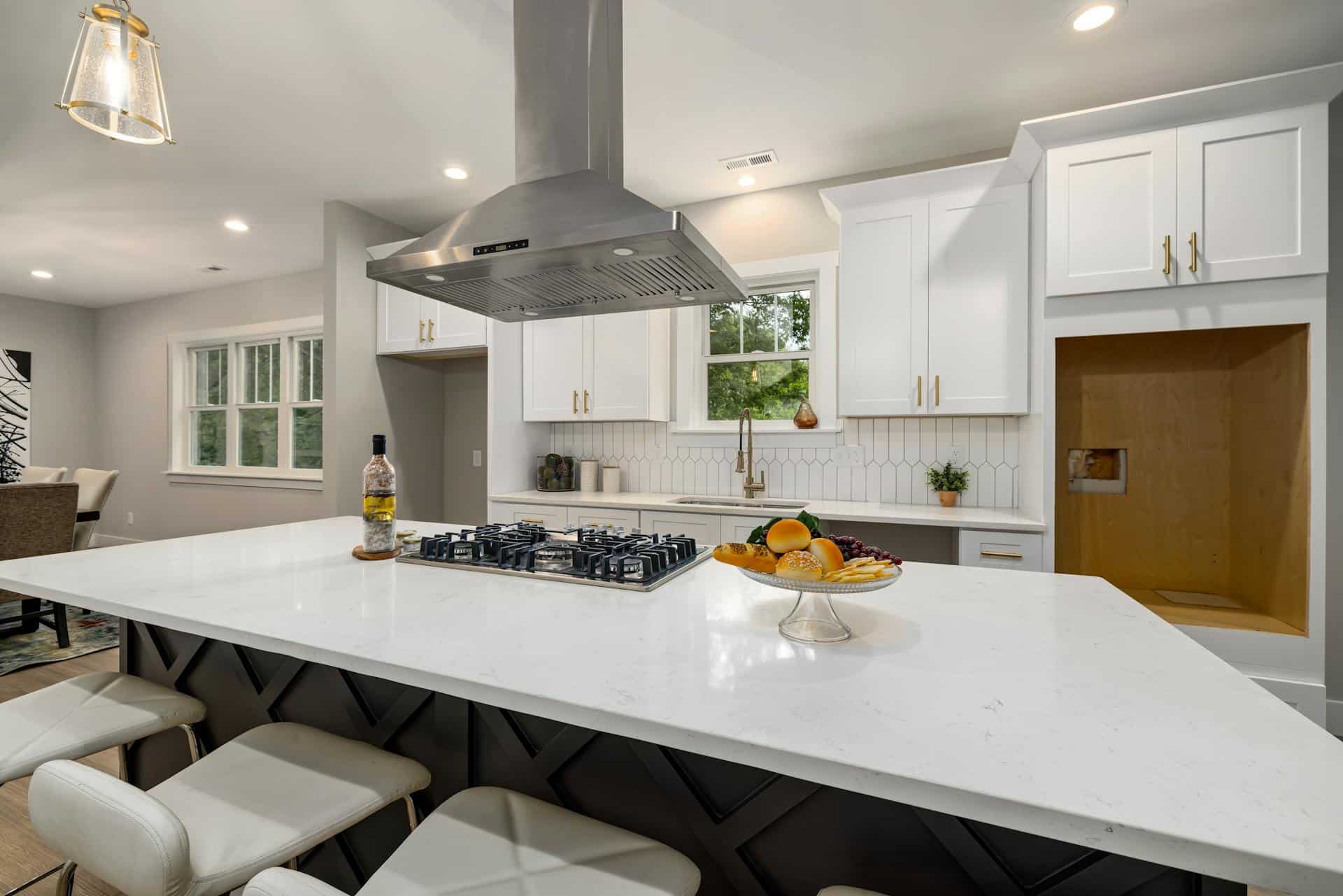
Question: How Does a High-Quality Range Hood Protect Your Cabinets From Buildup?
Answer: A high-quality range hood protects your cabinets from buildup by using a powerful fan to capture airborne grease, steam, and cooking fumes before they can settle on your cabinetry. This prevents a sticky, damaging buildup, preserving the finish and cleanliness of your kitchen surfaces and preventing long-term warping from moisture.
How Effective Ventilation Shields Your Kitchen Cabinets
Imagine preparing a delicious, aromatic meal in your kitchen. You sear a steak on high heat, sauté garlic and onions, and simmer a flavourful sauce. While the smells are delightful, this cooking process releases a significant amount of grease, smoke, steam, and food particles into the air. These airborne contaminants do not simply vanish. Instead, they rise with the hot air from your cooktop and drift outwards, seeking the nearest cool surface to settle upon. In most kitchens, those surfaces are your beautiful and expensive cabinets, which flank your cooking area.
Over time, this daily assault creates a stubborn, sticky film that coats your cabinet doors and boxes. This greasy layer acts like a magnet, attracting dust and dirt, which results in a grimy buildup that is difficult to clean. This residue can cause permanent discolouration, turning pristine white cabinets yellow or dulling the rich finish of natural wood. The constant exposure to heat and moisture also contributes to long-term damage like warping, peeling laminate, or even mould growth. A high-quality range hood is your first line of defence against this silent destruction, actively working to preserve your kitchen’s appearance and integrity.
The Airborne Assault on Your Kitchen
Every time you cook, you are conducting a small chemistry experiment on your stovetop. Applying heat to oils, fats, and water creates an aerosol, which is a mixture of tiny liquid and solid particles suspended in the air. This plume rising from your pans contains aerosolized grease, water vapour, microscopic food particles, and smoke. Because this mixture is hot, it is naturally buoyant and travels upward. Without a proper ventilation system, its journey ends on your cabinetry, countertops, and even your ceiling.
The grease component is particularly damaging. When these tiny oil droplets cool, they form a tacky, yellowish film. This film does more than just look unsightly; it creates a perfect adhesive surface for dust, pet dander, and other airborne particulates to stick to. This combination creates a tough, layered grime that regular wiping cannot remove. You often need harsh chemical degreasers and significant effort to scrub it away, which can easily damage the delicate finish on your cabinets. Effectively managing these airborne contaminants is the key to maintaining a clean and long-lasting kitchen environment.
Click here for more information on cabinet refacing near me Toronto
Related Article: What Is the Best Way to Protect Cabinets Near a High-Heat Dishwasher?
Related Article: Why Is the Self-Clean Oven Cycle Dangerous for Nearby Cabinets?
How Does a High-Quality Range Hood Protect Your Cabinets From Buildup?
A powerful range hood provides protection through a multi-stage process that targets and removes harmful airborne particles. It is not just about moving air; it is about actively cleaning the air by capturing, filtering, and expelling the specific contaminants that ruin cabinet surfaces. This system prevents the grease, moisture, and odours from ever reaching your cabinetry in the first place, stopping the buildup cycle before it can even begin. A superior unit accomplishes this with a combination of powerful mechanics and intelligent design, working together to keep your kitchen clean.
The process begins with powerful extraction, measured in cubic feet per minute (CFM). A high CFM rating indicates the fan can move a large volume of air very quickly, creating the necessary suction to pull in heavy grease particles and steam. Once inside the hood, the air passes through a specialized filtration system. These filters, typically made of aluminum mesh or stainless steel baffles, are designed to trap grease particles while letting the air flow through. This crucial step separates the damaging oils from the air. Finally, in a ducted system, the fan pushes the now-filtered air through ductwork and vents it completely outside your home, permanently removing all captured contaminants.
Features for Maximizing Cabinet Safety
Not all range hoods offer the same level of protection. Several key features directly influence a unit’s ability to safeguard your cabinetry from grease and moisture. Understanding these components helps you recognize what makes a range hood truly effective. The fan’s power, the type of filtration system, and the overall physical design of the hood are the three main pillars that support its protective function. Each element plays a distinct and vital role in ensuring the air above your cooktop is cleaned efficiently and thoroughly, which provides maximum protection for your kitchen investment.
Fan Power (CFM)
The power of the fan, or blower, is rated in CFM. This number represents the volume of air the fan can move in one minute. A higher CFM rating translates to stronger suction, which is essential for capturing the entire plume of cooking effluent, especially from high-output gas ranges or intense cooking methods like searing. A powerful fan ensures that smoke and steam are pulled vertically into the filters instead of drifting sideways and upwards onto the face of your cabinets.
Filtration System Quality
Filters are the workhorses of the range hood. Their job is to trap grease before it can coat the inside of your ductwork or, in a recirculating system, be blown back into your kitchen. Baffle filters, made of interlocking stainless steel channels, are highly effective at collecting grease and are very durable. Mesh filters, made of layered aluminum, are also common but can clog more easily. Regardless of the type, clean filters are vital. A dirty, clogged filter restricts airflow, reduces suction, and allows grease to escape, defeating the hood’s protective purpose.
Hood Size and Design
The physical dimensions of the hood are fundamental to its performance. As mentioned, the hood should be at least as wide as the cooktop. The depth is equally important. A hood that extends out to cover the front burners will capture far more contaminants than a shallow one. This ensures that when you are cooking on the front of your stove, the resulting steam and grease are still directed into the ventilation system, not onto the cabinet doors directly above.
Managing Heat and Moisture Damage
While the sticky film from grease is the most visible threat to your cabinets, a high-quality range hood also protects them from two other invisible but equally destructive elements: excessive heat and moisture. The area directly above a cooktop is exposed to intense thermal stress. High heat from boiling, frying, and baking can, over many years, cause the finish on your cabinets to peel, crack, or discolour. It can also cause the wood or composite material itself to dry out and warp, potentially compromising the structural integrity of the cabinet boxes and doors.
Moisture is another significant threat. Simmering a large pot of soup or boiling water for pasta releases a tremendous amount of water vapour into the air. This humid air rises and can be absorbed by wood or medium-density fibreboard (MDF) cabinets, causing them to swell and delaminate. This moisture also creates an ideal environment for mould and mildew to grow, which can present a health hazard and cause permanent stains. A powerful range hood effectively removes both the high heat and the steam, venting them away from your cabinetry. This active moisture and heat management helps maintain a stable environment, significantly extending the lifespan and preserving the beauty of your kitchen.
Preserving Your Kitchen’s Value and Appearance
A highly effective range hood is an essential appliance for protecting your kitchen investment. Cabinets are one of the most expensive components of any kitchen renovation or build, and preserving their condition is critical to maintaining your home’s long-term value. By preventing the relentless accumulation of grease, grime, heat, and moisture, a quality ventilation system directly extends the life of your cabinetry. This means you can avoid the costly and disruptive process of refinishing, refacing, or replacing your cabinets prematurely. The appliance pays for itself over time simply by protecting the expensive finishes around it.
This protection also translates into a significant reduction in your cleaning workload. With a range hood capturing contaminants at the source, you will no longer need to spend hours scrubbing a stubborn, sticky film from your cabinets. This saves you time and also prevents the potential damage that harsh degreasing chemicals and abrasive scouring pads can inflict on cabinet surfaces. Beyond aesthetics and convenience, effectively venting cooking fumes improves your home’s indoor air quality. It removes harmful particulates and carcinogens released during high-heat cooking, creating a healthier and more pleasant environment for your family.
Your Kitchen’s Guardian Against Grime and Damage
A well-made range hood is much more than a simple kitchen appliance; it is a dedicated protective system for your home. It stands guard over your cooktop, ensuring the byproducts of your culinary creations do not cause lasting harm to your surrounding cabinetry. By creating a powerful updraft, it intercepts the grease-filled, moisture-laden air before it can settle and begin its destructive work. This immediate capture prevents the formation of that stubborn, sticky film that dulls finishes and attracts dust, making your cleaning routine significantly easier and less abrasive on your cabinets.
So, how does a high-quality range hood protect your cabinets from buildup? It achieves this through the coordinated action of powerful suction, efficient grease filtration, and the complete expulsion of airborne contaminants. It is a proactive defence that stops damage before it starts, addressing not only visible grime but also the unseen threats of high heat and persistent moisture. Investing in proper ventilation is an investment in the longevity and beauty of your entire kitchen. It ensures that your cabinets remain in pristine condition for years, preserving both their appearance and the financial value of your home.

Blue Malue Get in touch with Blue here.