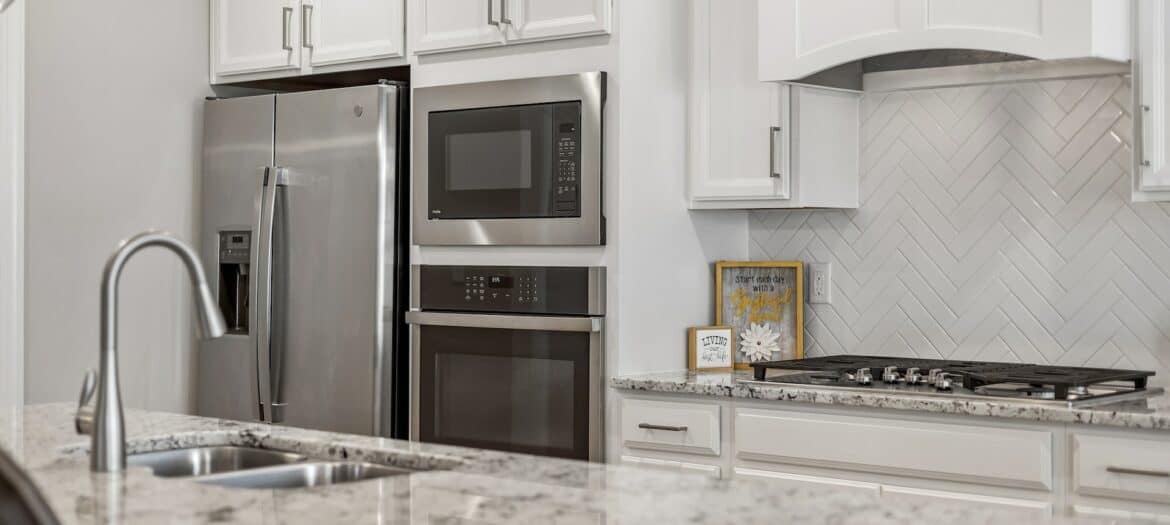
Question: Is it Cheaper to Reface or Replace Cabinets?
Answer: Refacing cabinets is usually cheaper than replacing them, often costing 30-50% less than a full replacement. Since you keep the existing cabinet boxes and only update doors and visible surfaces, you save significantly on materials and labor. It’s a cost-effective choice for a fresh look if your cabinets are structurally sound.
Cabinet Refacing vs Replacing
Deciding between refacing or replacing your kitchen cabinets is a significant choice for any homeowner. The cost is often the primary factor driving this decision. Many people wonder if it is cheaper to reface or replace cabinets. The answer depends on several key variables, including the condition of your current cabinets, your design goals, and your overall budget. This article provides a clear comparison to help you understand the financial implications and benefits of each option. We will explore the processes, compare the costs directly, and outline the factors that should guide your choice.
Kitchen renovations can significantly increase your home’s value and improve your daily life. Cabinets are the centrepiece of any kitchen, defining its style and functionality. Refacing offers a cosmetic update by replacing cabinet doors and drawer fronts, while replacement involves a complete overhaul with brand new cabinet boxes. Understanding the cost difference is essential, but you should also consider the long-term value, project timeline, and level of disruption each choice brings. Making an informed decision ensures you invest your money wisely and create a kitchen you will love for years.
How Cabinets Are Refaced
Cabinet refacing is a popular method to update a kitchen’s appearance without a full demolition. The process focuses on revitalizing the external surfaces of your existing cabinets. First, a professional removes all cabinet doors, drawer fronts, and hardware. The surfaces of the cabinet boxes, or frames, are then prepared. This preparation often involves cleaning, sanding, and making any necessary repairs to ensure a smooth foundation. A new veneer, made of wood, laminate, or thermofoil, is then applied to the front and sides of the cabinet boxes.
After the boxes are veneered, brand new doors and drawer fronts are installed. You can choose from a wide variety of styles, materials, and colours, completely transforming the look of your kitchen. New hardware, such as hinges, handles, and knobs, completes the update. The entire refacing process is much faster than a full replacement, typically taking only a few days to complete. It also creates less mess and disruption, allowing you to use your kitchen for most of the project’s duration. This makes it an attractive option for homeowners seeking a quick and effective visual upgrade.
Click here for more information on cabinet refacers in Toronto
Related Article: Do you Have to Remove Countertops to Reface Cabinets?
Related Article: Comparison and Cost Analysis of Cabinet Refacing and Other Alternatives
Cost Comparison
The central question for most homeowners is whether it is cheaper to reface or replace cabinets. Generally, refacing is the more budget-friendly option. Cabinet refacing typically costs 30% to 50% less than a full replacement. The final price for either project depends on the size of your kitchen, the materials you choose, and the cost of labour in your area. Refacing preserves the existing cabinet boxes, which saves a significant amount on materials and labour compared to tearing them out and installing new ones.
To provide a clearer picture, let’s break down the potential expenses. A professional refacing project for an average-sized kitchen can range from $5,000 to $12,000. This includes new doors, drawer fronts, veneers, and hardware. In contrast, replacing cabinets with new stock or semi-custom units can cost anywhere from $8,000 to $20,000 or more. If you opt for high-end custom cabinets, the cost can easily exceed $30,000. These figures illustrate that while refacing offers substantial savings, a replacement project’s cost can vary dramatically based on your choices.
-
Cost Factors for Cabinet Refacing
The price of refacing is influenced by the materials you select. High-quality wood veneers and solid wood doors will cost more than laminate or thermofoil options. The number of cabinets and drawers also impacts the total cost, as it determines the amount of material and labour required. Finally, adding new features like crown moulding or soft-close hinges will increase the overall project price.
-
Cost Factors for Cabinet Replacement
For replacement, the primary cost driver is the type of cabinet you choose. Stock cabinets are the least expensive, while fully custom cabinets are the most costly. The material of the cabinets, such as particleboard versus solid wood, also plays a major role. Additional costs can include new countertops, plumbing work, and electrical modifications if you change the kitchen layout, making replacement a potentially much larger financial commitment.
Factors Influencing Your Decision
While cost is a critical factor, it should not be the only one you consider. Your final decision should align with your specific needs and long-term goals for your kitchen. The condition of your existing cabinet boxes is paramount. If your cabinet frames are structurally sound and in good shape, refacing is a viable and smart option. However, if the boxes are damaged by water, warped, or made of poor-quality material, replacement is the only logical choice. A simple cosmetic update cannot fix underlying structural problems.
Your desired kitchen layout is another major consideration. Refacing works with your current kitchen footprint. If you are happy with the existing layout and simply want a style update, refacing is perfect. If you want to change the layout, add more storage, or install an island, you must choose replacement. A full replacement gives you the freedom to redesign the entire space for better workflow and functionality. Consider how you use your kitchen and whether the current configuration meets your needs before making a final choice. The project timeline also matters. Refacing is significantly faster, minimizing disruption to your home life.
Pros and Cons of Each Method
Evaluating the advantages and disadvantages of both refacing and replacement provides a balanced perspective. Each approach has unique benefits and drawbacks that can impact your budget, timeline, and overall satisfaction with the final result. Understanding these points helps you align your choice with your priorities for your kitchen renovation project.
Advantages and Disadvantages of Refacing
-
Lower Cost
Refacing is significantly more affordable than replacement, allowing you to achieve a new look on a tighter budget. -
Faster Project Timeline
The process is much quicker, often completed in just a few days, which means less disruption to your daily routine. -
Environmentally Friendly
By keeping your existing cabinet boxes, you send less waste to the landfill, making it a more sustainable choice. -
Limited to Existing Layout
You cannot change the configuration of your kitchen. The existing footprint remains the same. -
Does Not Fix Internal Issues
Refacing is a cosmetic solution. It does not address problems inside the cabinets, such as poor shelving or lack of modern features.
Advantages and Disadvantages of Replacement
-
Complete Design Freedom
You can completely redesign your kitchen layout, improve workflow, and add new features like a pantry or an island. -
Brand New Cabinets
You get all new materials, including modern features like soft-close drawers, pull-out shelves, and durable construction. -
Increased Home Value
A fully renovated kitchen with new, high-quality cabinets can provide a higher return on investment when you sell your home. -
Higher Cost
Replacement is a much larger financial investment, with costs that can be double or triple that of refacing. -
Longer and More Disruptive
The demolition and installation process can take weeks, leaving your kitchen unusable for an extended period.
Conclusion
Deciding if it is cheaper to reface or replace cabinets requires a careful evaluation of your budget, the condition of your current kitchen, and your renovation goals. Refacing is an excellent, cost-effective solution if your cabinet boxes are in good condition and you are satisfied with your kitchen’s layout. It offers a dramatic visual transformation for a fraction of the cost and time of a full remodel. You can achieve a modern, updated look without the major disruption and expense of a complete tear-out. It is the ideal choice for homeowners seeking a quick, affordable, and impactful aesthetic upgrade.
Replacement is the better path if your cabinets are structurally compromised, or if you desire a new layout with enhanced functionality. While it is a more significant investment of both time and money, it provides the opportunity to create a kitchen that perfectly suits your needs and lifestyle. You can optimize storage, improve workflow, and incorporate the latest design trends. A full replacement addresses any underlying issues and can substantially increase your home’s long-term value. Assess your priorities carefully to determine which option delivers the best value for your specific situation.

Blue Malue Get in touch with Blue here.