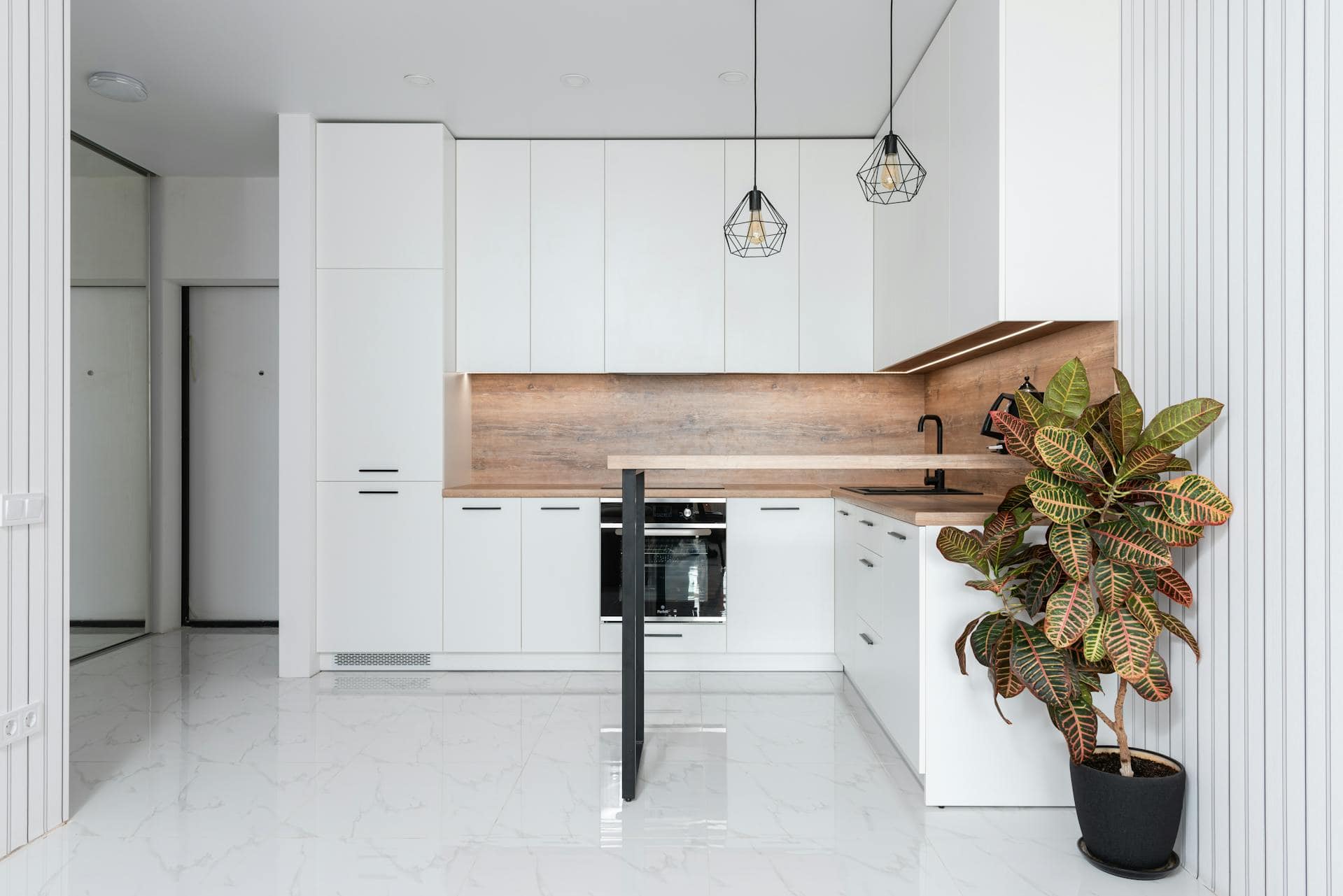
Question: Should You Choose Light or Dark Colours for a Small Kitchen Reface?
Answer: Light colours are generally best for a small kitchen reface. They reflect light, making the space feel larger, brighter, and more open. Dark colours can make a small kitchen feel cramped, but may work as an accent if balanced with excellent lighting and light countertops.
Choosing Between Light and Dark Colours for Your Small Kitchen Reface
Refacing your kitchen cabinets offers a fantastic way to transform your space without the cost and disruption of a full renovation. This update is especially impactful in a small kitchen, where every design choice affects the room’s sense of space and atmosphere. The most significant decision you will make during this process is the colour scheme. The choice between light and dark colours can dramatically alter the perception of your kitchen’s size, brightness, and overall style. Many homeowners find this decision challenging.
The central question is a common one: should you choose light or dark colours for a small kitchen reface? Light colours, such as white, cream, or soft grey, are famous for their ability to make a space feel larger and more open. They reflect light and create an airy, clean aesthetic. On the other hand, dark colours like navy, charcoal, or deep green can introduce a level of sophistication and depth that light colours cannot match. They can create a cozy, dramatic, and modern look that makes a powerful statement. Each approach has unique benefits and potential drawbacks.
We will explore the advantages of both light and dark colour palettes and look at key factors like natural light, kitchen layout, and personal style. Understanding these elements will empower you to select a colour that not only looks beautiful but also functions perfectly for your compact kitchen.
The Case for Light Colours in a Compact Kitchen
Light colours remain a popular choice for small kitchens for several compelling reasons. Their primary benefit is the ability to create an illusion of spaciousness. Shades of white, beige, light grey, and pastels are highly reflective. They bounce natural and artificial light around the room, which makes the kitchen feel brighter and more open. This effect counteracts the cramped feeling that small spaces often have. Your kitchen will seem larger than its actual dimensions, creating a more comfortable and inviting environment for cooking and gathering.
Beyond making the space feel bigger, light-coloured cabinets enhance the overall brightness of your kitchen. If your kitchen has limited windows or receives little natural sunlight, light colours are a practical solution. They maximize the impact of every available light source, from a single window to under-cabinet fixtures. This brightness contributes to a clean, fresh, and energetic atmosphere. A bright kitchen is often a more pleasant place to work. It also improves visibility for meal preparation and other tasks, adding a functional advantage to the aesthetic appeal.
Finally, light colours offer timeless appeal and incredible versatility. A white or off-white kitchen rarely goes out of style, which protects your investment for years to come. These neutral backdrops allow you to easily change your kitchen’s look with new accessories, hardware, or backsplash tiles. Light cabinets pair seamlessly with a wide range of countertop materials, floor finishes, and appliance colours. This flexibility gives you the freedom to evolve your kitchen’s style without needing another major cabinet update.
Click here for more information on cabinet refacing near me Toronto
Related Article: Can a Monochromatic Colour Scheme Hide Kitchen Clutter?
Related Article: How Can Magnetic Storage Strips Free up Your Kitchen Drawers?
Key Factors to Consider Before You Decide
Your final decision on whether you should choose light or dark colours for a small kitchen reface depends on several unique factors. A careful assessment of your space and lifestyle will guide you to the best choice. Consider these important elements before you commit to a colour palette.
-
Amount of Natural Light
The quantity of sunlight your kitchen receives is a critical factor. A room filled with bright, natural light can easily support dark colours without feeling gloomy. If your kitchen has large windows or is south-facing, a dark palette can feel warm and inviting. However, if your kitchen lacks natural light, light colours are often a safer choice. They will amplify the limited light available and prevent the space from feeling like a cave. -
Your Kitchen’s Layout and Ceiling Height
The physical structure of your kitchen plays a role. High ceilings can handle dark colours more effectively, as the vertical space prevents the room from feeling compressed. In a kitchen with low ceilings, light colours can help create a sense of height. Also, consider the layout. An open-concept kitchen that flows into a brighter living area may be a great candidate for dark cabinets, as the surrounding space provides balance. -
Personal Style and Home Aesthetic
Your kitchen should reflect your personal taste and harmonize with the rest of your home’s decor. If your home has a modern, minimalist, or industrial style, dark cabinets might fit perfectly. If you favour a farmhouse, traditional, or coastal aesthetic, light colours will likely be a more natural fit. Look at your furniture, art, and overall colour scheme to ensure your kitchen reface feels cohesive and intentional.
How to Balance Light and Dark Colours Effectively
You do not need to choose one extreme over the other. Combining light and dark colours is a popular and effective design strategy that can give you the best of both worlds. This approach adds visual interest and dimension to a small kitchen, preventing it from looking flat or one-dimensional. A balanced design creates a sophisticated and custom look that highlights your kitchen’s best features. By thoughtfully mixing colours, you can achieve both the airy feel of a light kitchen and the dramatic depth of a dark one.
One of the most popular methods for balancing colours is the two-tone cabinet approach. This technique typically involves using a dark colour for the lower cabinets and a light colour for the upper cabinets. This design grounds the space with the darker shade while keeping the upper, eye-level area feeling open and bright. It draws the eye upward, which can make the ceiling feel higher. A two-tone scheme is a great compromise that adds depth without overwhelming a small room.
Another way to incorporate both palettes is to use a dark colour as an accent. You could paint a kitchen island in a bold navy or charcoal to create a stunning focal point. This anchors the room and adds personality. Alternatively, a dark backsplash behind light cabinets can provide a beautiful contrast. The key is to use light colours for the majority of surfaces to maintain a sense of openness. Light countertops and flooring can also balance dark cabinets, ensuring the room remains bright and welcoming.
Lighting and Hardware: The Finishing Touches
Your choice of cabinet colour is just one piece of the puzzle. The right lighting and hardware are essential finishing touches that complete the design and enhance the overall effect. These elements can either support your colour scheme or undermine it, so they require careful consideration. Proper lighting ensures your kitchen is functional and highlights the beauty of your new cabinet fronts. Hardware, on the other hand, acts as the jewelry of your kitchen, adding style and personality.
Strategic lighting is especially important in a kitchen with dark cabinets. A well-lit space will prevent dark colours from feeling oppressive. Layering different types of light is an effective strategy. Start with bright overhead ambient lighting, such as recessed lights or a stylish ceiling fixture. Then, add task lighting under the upper cabinets to illuminate your countertops for food prep. Finally, consider adding accent lighting, like pendant lights over an island or sink, to create a warm and inviting glow. Good lighting makes any kitchen, light or dark, feel more spacious and functional.
Cabinet hardware, including knobs and pulls, plays a significant role in defining your kitchen’s style. For dark cabinets, hardware in warm metals like brass, bronze, or copper creates a rich and luxurious contrast. For a more modern look, matte black or stainless steel hardware offers a sleek and understated option. With light cabinets, you have great flexibility. Black hardware can create a striking, graphic look, while chrome or nickel offers a classic and clean finish. The hardware you choose should complement your cabinets, appliances, and faucet for a cohesive design.
Conclusion
The debate over whether you should choose light or dark colours for a small kitchen reface has no single correct answer. The ideal choice depends entirely on your specific space, your home’s overall style, and your personal preferences. A light colour scheme is a reliable option for making a small kitchen feel larger, brighter, and more open. It provides a timeless and versatile foundation that is easy to decorate around. Light colours maximize every bit of light, which is a significant advantage in rooms that lack large windows.
In contrast, a dark colour scheme offers an opportunity to create a space with depth, drama, and a sophisticated personality. When balanced with proper lighting and lighter elements like countertops or a backsplash, dark cabinets can make a small kitchen feel cozy and luxurious rather than cramped. They are practical for hiding minor messes and can make a powerful design statement. The key to success with dark colours is to use them intentionally and ensure the room has enough light to support the bold choice.
Before you make your final decision, get physical colour samples. Paint a large board with your top choices or get sample cabinet doors. Place them in your kitchen and observe how they look at different times of the day under both natural and artificial light. This simple step helps you visualize the final result much better than a small paint chip can. Trust your instincts and choose the colour that makes you feel happy and comfortable in your own home. Your kitchen reface is an opportunity to create a space that you will love for years to come.

Blue Malue Get in touch with Blue here.