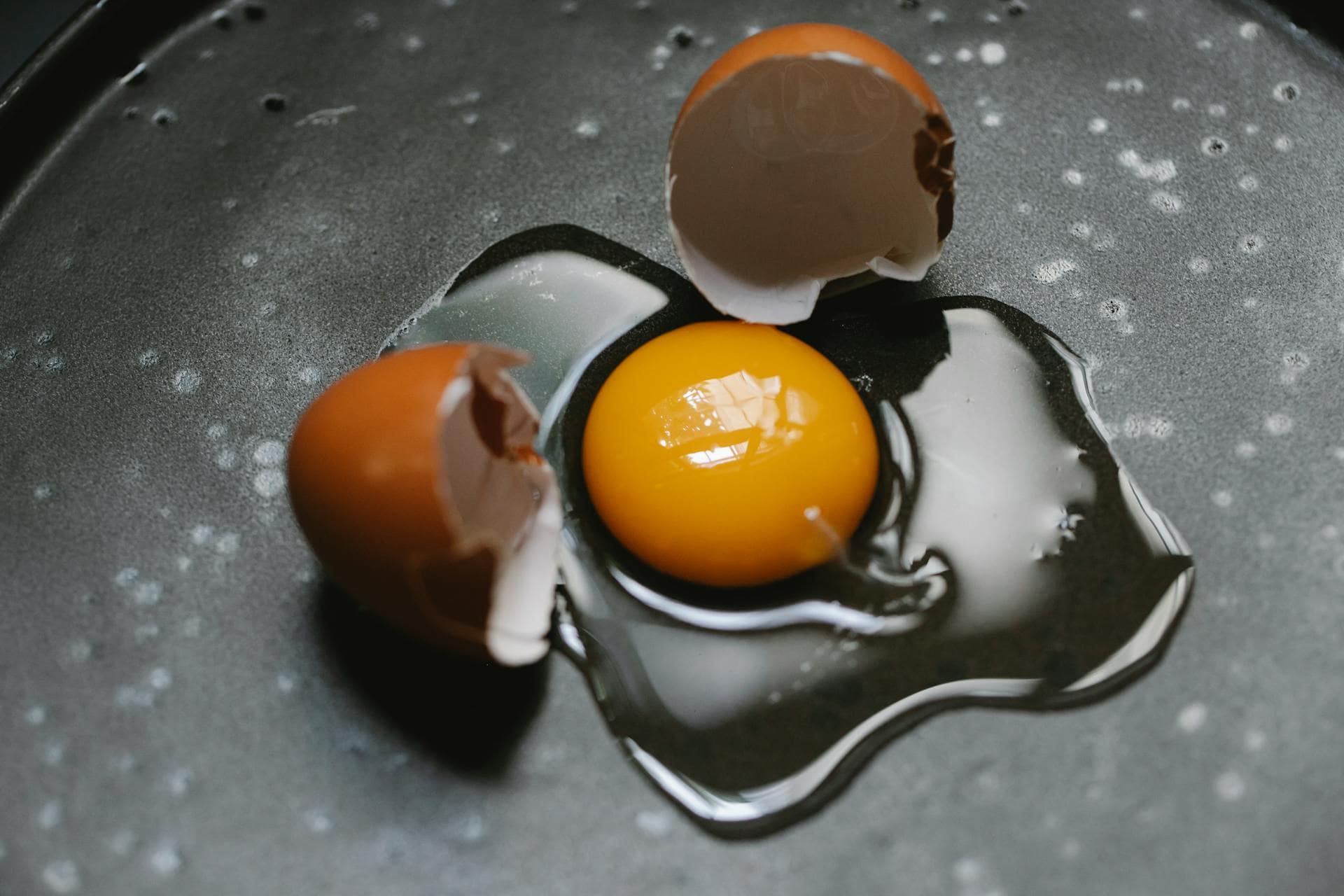
Question: Should You Put Eggshells in the Garbage Disposal?
Answer: No, you should not put eggshells in the garbage disposal. The shell’s thin membrane can wrap around the blades, and the ground shell particles can build up in pipes, eventually causing clogs. Composting or throwing them in the trash are better options for your plumbing.
Can You Put Eggshells in a Garbage Disposal?
Many people wonder if they should put eggshells in the garbage disposal. This question creates a lot of debate among homeowners. Some people believe the abrasive shells sharpen the disposal’s blades, while others warn they cause serious plumbing clogs. The truth is more direct and has significant implications for your kitchen’s health. Putting eggshells down your drain is a risky habit that can lead to expensive repairs and a non-functional sink. This article explains exactly why this common kitchen practice is a bad idea.
We will examine the myths surrounding eggshells and garbage disposals. We will also explore the actual mechanics of how a disposal works and how eggshell fragments interact with your plumbing. Understanding these details helps you make an informed decision to protect your home. The fine, sand-like particles and the sticky inner membrane of the eggshell create a recipe for blockages. These materials do not simply wash away. Instead, they build up over time, creating a stubborn paste that chokes your pipes. This guide provides a clear answer and offers better, safer alternatives for disposing of your eggshells.
The Myth of Sharpening Garbage Disposal Blades
A persistent myth suggests that grinding eggshells sharpens a garbage disposal’s blades. This idea is fundamentally incorrect because garbage disposals do not have blades. Instead, they use a different mechanism to break down food waste. Inside the unit, a spinning plate holds two blunt metal impellers, sometimes called lugs. When you turn the disposal on, these impellers swing outward due to centrifugal force. They hurl food waste against a stationary, serrated metal ring called a grind ring. This action pulverizes the food into tiny particles that can be flushed down the drain with water.
Since the impellers are blunt and designed for smashing, not slicing, there is nothing to sharpen. The abrasive texture of crushed eggshells does not hone a fine edge on these components. The shells are simply ground into a fine, gritty powder, similar to sand. While this process might sound harmless, it offers no benefit to the appliance. Believing that eggshells maintain your disposal is a misconception that ignores the real harm they can cause. The focus should be on what actually happens to those ground-up particles after they pass through the unit and enter your plumbing system, where the real trouble begins.
Click here for more information on kitchen cabinet refinishing Toronto
Related Article: Can You Pour Vinegar in a Garbage Disposal?
Related Article: Should I Get a 1/2 or 3/4 Hp Garbage Disposal?
Potential Damage to the Garbage Disposal Unit
While the greatest threat is to your pipes, eggshells can also cause long-term damage to the garbage disposal itself. The same abrasive quality that people mistakenly believe sharpens the impellers can actually cause premature wear on the unit’s moving parts. The fine, sand-like grit from crushed shells can work its way into the small crevices and bearings of the disposal. This accelerates the degradation of these components, much like sand would wear down any mechanical system. This can lead to a shorter lifespan for your appliance and may cause the motor to work harder, increasing the risk of it burning out.
Additionally, the thin membrane of the eggshell presents another mechanical risk. This sticky film can get wrapped around the impellers or other moving parts inside the grinding chamber. When this happens, it can increase the strain on the motor and interfere with the unit’s ability to grind food waste effectively. Although a modern, powerful disposal might handle a few shells without immediate failure, the cumulative effect of regularly grinding them introduces unnecessary stress. This repeated strain eventually leads to mechanical failures, leaving you with a costly repair or a full replacement. Avoiding eggshells helps preserve the appliance’s integrity and function.
What Plumbers and Manufacturers Recommend
When you seek expert advice, the consensus is clear. The vast majority of professional plumbers advise homeowners to keep eggshells out of the garbage disposal. Plumbers are the ones who deal with the consequences firsthand. They regularly clear drains clogged with a cement-like mixture of eggshell particles, grease, and coffee grounds. Their practical experience shows that the risk of creating a severe blockage is very high. They understand that while a disposal can grind the shells, the plumbing system is often not equipped to handle the resulting sediment. Following their advice can save you from a messy and expensive plumbing emergency.
Garbage disposal manufacturers also provide guidance on what to put in their units. Companies like InSinkErator and Waste King often include lists of problematic food items in their user manuals or on their websites. While some may say small amounts of eggshells are acceptable with a strong flow of cold water, many caution against them. They recognize that the potential for clogs and damage is significant. Their goal is for their appliance to work effectively for a long time. They know that certain materials, including eggshells, create conditions that can lead to poor performance and customer dissatisfaction. The combined wisdom from both plumbers and manufacturers points to one safe conclusion: avoid it.
Safe and Beneficial Alternatives for Eggshell Disposal
Fortunately, there are several simple and productive ways to handle eggshells that do not involve your garbage disposal. These methods are not only safer for your plumbing but also offer environmental benefits. Instead of creating a potential clog, you can turn your breakfast leftovers into a valuable resource for your home and garden. Exploring these alternatives is a smart choice for any homeowner who wants to maintain a healthy kitchen and reduce waste.
-
Composting
Eggshells are a fantastic addition to a compost bin. They decompose and add calcium, an essential nutrient for plant growth, to your finished compost. To help them break down faster, rinse the shells and let them dry. Once dry, crush them into small pieces before adding them to your pile. This simple step enriches your garden soil naturally. -
Garden Fertilizer
You can use crushed eggshells directly in your garden. Sprinkling the pieces around the base of plants like tomatoes, peppers, and eggplants provides a slow-release source of calcium, which helps prevent blossom-end rot. The sharp edges of the shells can also act as a natural deterrent for soft-bodied pests like slugs and snails, protecting your plants without chemical pesticides. -
Simple Trash Disposal
The easiest and most straightforward alternative is to simply throw the eggshells in the garbage. This method poses zero risk to your plumbing or garbage disposal. If your municipality offers a green bin or an organics recycling program, eggshells are almost always accepted. This ensures they are disposed of in an environmentally responsible way, turning them into compost on an industrial scale rather than a problem in your pipes.
Conclusion
So, should you put eggshells in the garbage disposal? The answer is a clear and resounding no. The long-standing myth that they sharpen the unit’s impellers is false, and the practice introduces significant risks to your home’s plumbing system. The disposal may grind the shells successfully, but the resulting fine particles do not dissolve. Instead, they settle in your pipes, mixing with grease and other debris to form stubborn clogs that can be difficult and expensive to remove. The potential for a backed-up sink and a costly visit from a plumber far outweighs any perceived convenience.
Protecting your garbage disposal and plumbing requires making conscious choices about what you put down the drain. By choosing to dispose of eggshells in the trash, compost pile, or garden, you avoid unnecessary wear on your appliance and prevent the buildup that leads to blockages. Adopting these safer habits ensures your kitchen remains functional and saves you from future headaches and expenses. The smartest course of action is to keep eggshells out of your sink entirely. Your pipes will thank you for it, and you can enjoy peace of mind knowing you are maintaining your home properly.

Blue Malue Get in touch with Blue here.