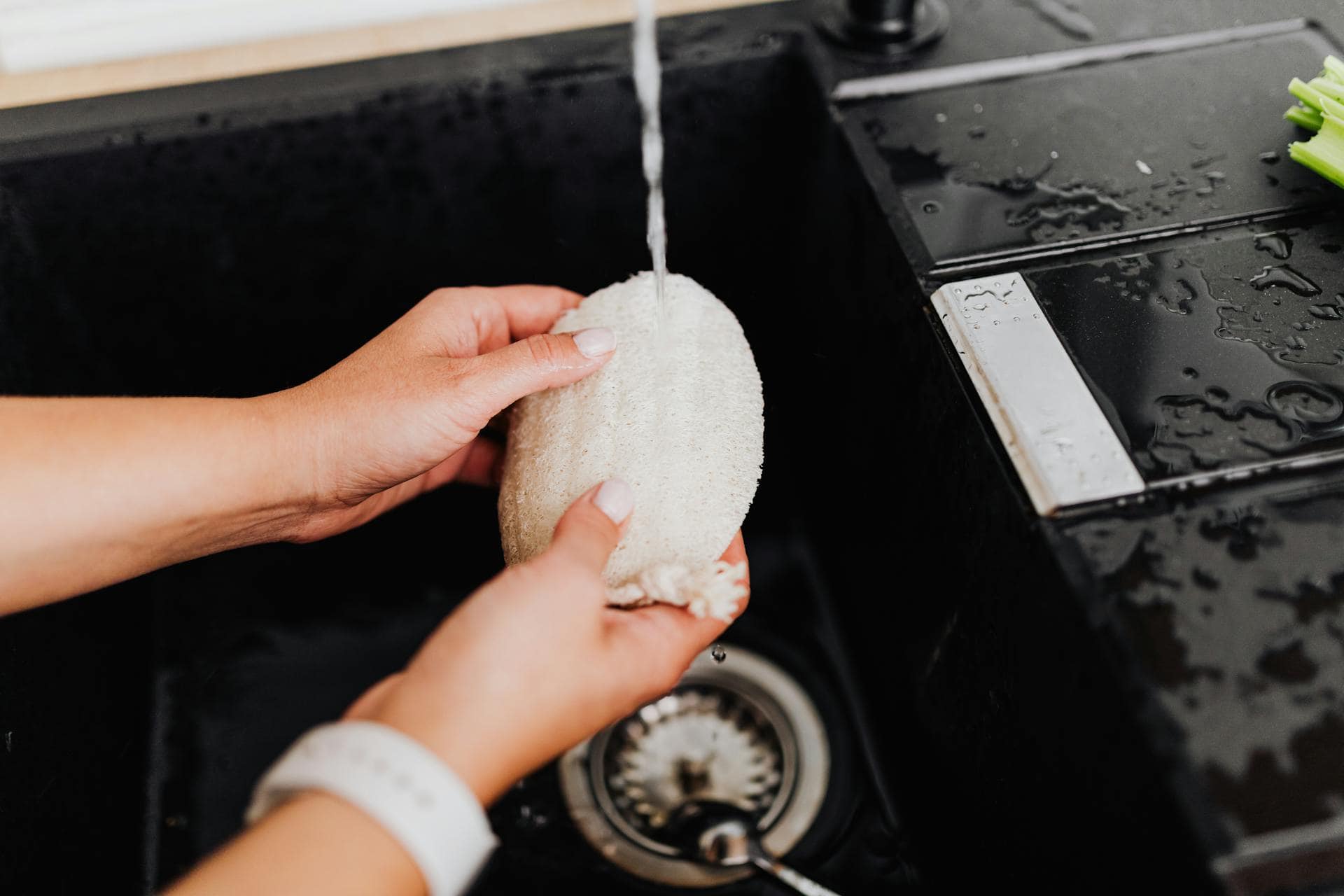
Question: What Is the Best Kitchen Sink That Doesn’t Scratch or Stain?
Answer: The best kitchen sink that doesn’t scratch or stain are granite composite and fireclay sinks are the best options. These dense, non-porous materials are exceptionally durable, resisting scratches, heat, and discoloration from food, ensuring a long-lasting, clean appearance.
Finding the Perfect Scratch and Stain-Resistant Kitchen Sink
A kitchen sink endures constant use every single day. You wash dishes, rinse vegetables, and scrub tough pots. This heavy activity makes the sink vulnerable to scratches from utensils and stains from foods like coffee, wine, and tomato sauce. But what is the best kitchen sink that doesn’t scratch or stain? The answer depends on the material. A truly indestructible sink does not exist, but several materials offer exceptional durability and resistance to daily wear.
Choosing the right sink material can save you time on cleaning and preserve your kitchen’s appearance for years. Materials like composite granite, fireclay, and high-gauge stainless steel are top contenders. Each material has unique properties, benefits, and maintenance needs. Understanding these differences helps you select a sink that aligns with your kitchen’s style, your budget, and how you use your kitchen. This article explores the most durable sink options available today.
We will look at the composition, performance, and aesthetic qualities of the most resilient sink materials on the market. We will compare their ability to resist scratches, fend off tough stains, and withstand high heat. This information will empower you to invest in a sink that not only looks great but also performs beautifully under pressure, becoming a reliable centrepiece of your kitchen for a long time.
Composite Granite Sinks
Composite granite sinks are an excellent choice for a durable and attractive kitchen. Manufacturers make these sinks by mixing crushed natural granite with a small amount of acrylic resin. This process creates an incredibly hard, non-porous surface. The resulting material resists scratches, chips, and heat up to 280°C (536°F). This resilience makes composite granite a practical option for busy kitchens where pots and pans are frequently used.
One of the main advantages of composite granite is its consistent colour throughout the material. If a deep scratch does occur, it is much less noticeable because the colour underneath is the same as the surface. These sinks also come in a wide array of matte colours, from classic black and white to shades of brown and grey. This variety allows you to match your sink to your countertop and cabinetry, creating a seamless look. Maintenance is straightforward; daily cleaning with soap and water keeps it looking new. The non-porous surface also resists bacteria growth, which contributes to a more hygienic kitchen environment.
Pros of Composite Granite
Exceptional Durability
It strongly resists scratches, stains, and heat.Uniform Colour
Scratches are less visible because the material is coloured all the way through.Variety of Finishes
It is available in many colours and styles to suit any kitchen design.Hygienic Surface
The non-porous material prevents bacteria from spreading.
Cons of Composite Granite
Potential for Chipping
Dropping a very heavy object can cause a chip or crack.Requires Proper Cleaning
Dark-coloured sinks can show white marks from mineral deposits if not rinsed and dried.Higher Cost
It is generally more expensive than stainless steel sinks.
Follow this link to read more about Blue Kitchen Refacing
Related Article: What Gauge Is a High Quality Kitchen Sink?
Related Article: How Long Do Kitchen Sinks Typically Last?
High-Gauge Stainless Steel Sinks
Stainless steel is a popular and practical choice for kitchen sinks. When searching for a sink that resists damage, the steel’s gauge and finish are the most important factors. Gauge measures the thickness of the steel; a lower number signifies thicker, more durable steel. A 16-gauge or 18-gauge sink provides superior resistance to dents and vibrations compared to thinner 22-gauge models. Thicker steel also muffles the sound of running water and clattering dishes.
While no stainless steel sink is completely scratch-proof, high-quality models with a brushed or satin finish are excellent at hiding minor abrasions. Over time, these small scratches blend together to create a unique patina that many homeowners appreciate. The material is also non-porous, so it naturally resists stains and bacteria. It will not be harmed by food stains like wine or beets. Proper cleaning with a soft cloth and mild detergent is usually enough to keep the sink looking its best. Using a sink grid at the bottom can further protect the surface from scratches from heavy cookware.
How to Minimize Scratches on Stainless Steel
You can protect your stainless steel sink surface effectively. Always place a sink grid or a silicone mat at the bottom. These accessories prevent direct contact with heavy pots and sharp utensils. When cleaning, always scrub in the direction of the steel’s grain. This simple technique helps minor scratches blend in with the existing finish. Avoid using abrasive scouring pads or harsh chemical cleaners, which can damage the protective layer of the steel and cause discoloration.
Keeping Stainless Steel Stain-Free
Stainless steel is highly stain-resistant, but hard water can leave mineral deposits that look like stains. To prevent this, rinse and wipe your sink dry with a soft cloth after each use. This simple habit stops water spots from forming. For a deeper clean, you can use a mixture of baking soda and vinegar to gently scrub away any buildup. This natural cleaning solution is effective and safe for the sink’s surface, keeping it shiny and free of blemishes.
Which Sink Material Is Best for You?
Choosing the best kitchen sink that doesn’t scratch or stain involves comparing the top materials based on your priorities. Composite granite, fireclay, and high-gauge stainless steel each offer distinct advantages. Your ideal choice will balance durability, style, maintenance, and budget. Analyzing these factors side-by-side helps clarify which sink material best fits your kitchen and lifestyle. This direct comparison provides a clear path to making a confident decision for your home.
Durability and Scratch Resistance
Composite granite leads in scratch resistance. Its rock-hard surface, composed of 80% natural granite, handles daily contact with pots and knives exceptionally well. Fireclay is also very hard and scratch-resistant due to its high-temperature firing process, but it can chip if a heavy object is dropped on it. High-gauge stainless steel is the softest of the three and will acquire scratches over time. However, a brushed finish helps camouflage these marks, which eventually form a consistent patina.
Stain Resistance
Both fireclay and composite granite offer superior stain resistance. Their non-porous surfaces prevent liquids and food particles from seeping in, making them easy to clean. Stains from coffee, tea, or red wine wipe away without a trace. Stainless steel is also non-porous and resists stains effectively. Its main challenge is water spots, especially in areas with hard water. Regular wiping is necessary to keep it looking pristine.
Cost and Installation
Stainless steel is typically the most budget-friendly option, offering great performance at a lower price point. Composite granite sinks are in the mid-to-high price range, reflecting their enhanced durability and aesthetic appeal. Fireclay sinks are often the most expensive, partly due to their specialized manufacturing process and heavy weight. Their weight also means they may require reinforced cabinet support, adding to the overall installation cost.
How to Maintain Your Sink for Lasting Beauty
Proper maintenance is key to keeping any kitchen sink in excellent condition, no matter the material. Simple daily habits can prevent most common issues like scratches, stains, and buildup. One of the easiest and most effective practices is to rinse the sink thoroughly after every use. This washes away any food particles or liquids that could cause stains. Wiping the sink dry with a soft cloth, especially in hard water areas, prevents mineral deposits from forming and clouding the surface.
For routine cleaning, use mild soap and warm water with a soft sponge or cloth. Avoid using abrasive pads, steel wool, or harsh chemicals like bleach or ammonia. These can damage the sink’s finish, whether it is composite granite, fireclay, or stainless steel. For tougher grime, a paste made of baking soda and water is a safe and effective alternative. Apply the paste, let it sit for a few minutes, then gently scrub and rinse. Using a sink bottom grid is another great way to protect against scratches from heavy cookware and utensils. This simple accessory creates a protective barrier that preserves the sink’s original finish.
Choosing Your Ideal Scratch-Proof and Stain-Resistant Sink
Your search for the best kitchen sink that doesn’t scratch or stain leads you to several excellent materials. The final choice depends on your personal preferences for style, your budget, and how you use your kitchen. There is no single sink that is perfect for everyone. By evaluating the strengths of each material, you can find a sink that meets your specific needs and provides lasting value. A high-quality sink is an investment in your kitchen’s functionality and appearance.
Composite granite stands out as the best all-around option for scratch and stain resistance. Its incredible hardness and uniform colour make it a top performer for busy family kitchens. Fireclay offers unmatched stain resistance and a classic, elegant aesthetic, making it a favourite for farmhouse and traditional designs. High-gauge stainless steel remains a versatile and affordable choice, providing good durability and a modern look that hides wear over time. It is a reliable workhorse for any contemporary kitchen.
Consider your lifestyle. Do you frequently use heavy cast iron pans? Composite granite or a sink with a protective grid would be a wise choice. Do you prioritize a timeless look and easy cleaning? A fireclay sink may be your answer. Or, do you need a cost-effective, reliable sink that fits a modern kitchen? A 16-gauge stainless steel model will serve you well. Whichever material you select, consistent care will ensure your sink remains a durable and beautiful centrepiece in your home for many years.

Blue Malue Get in touch with Blue here.