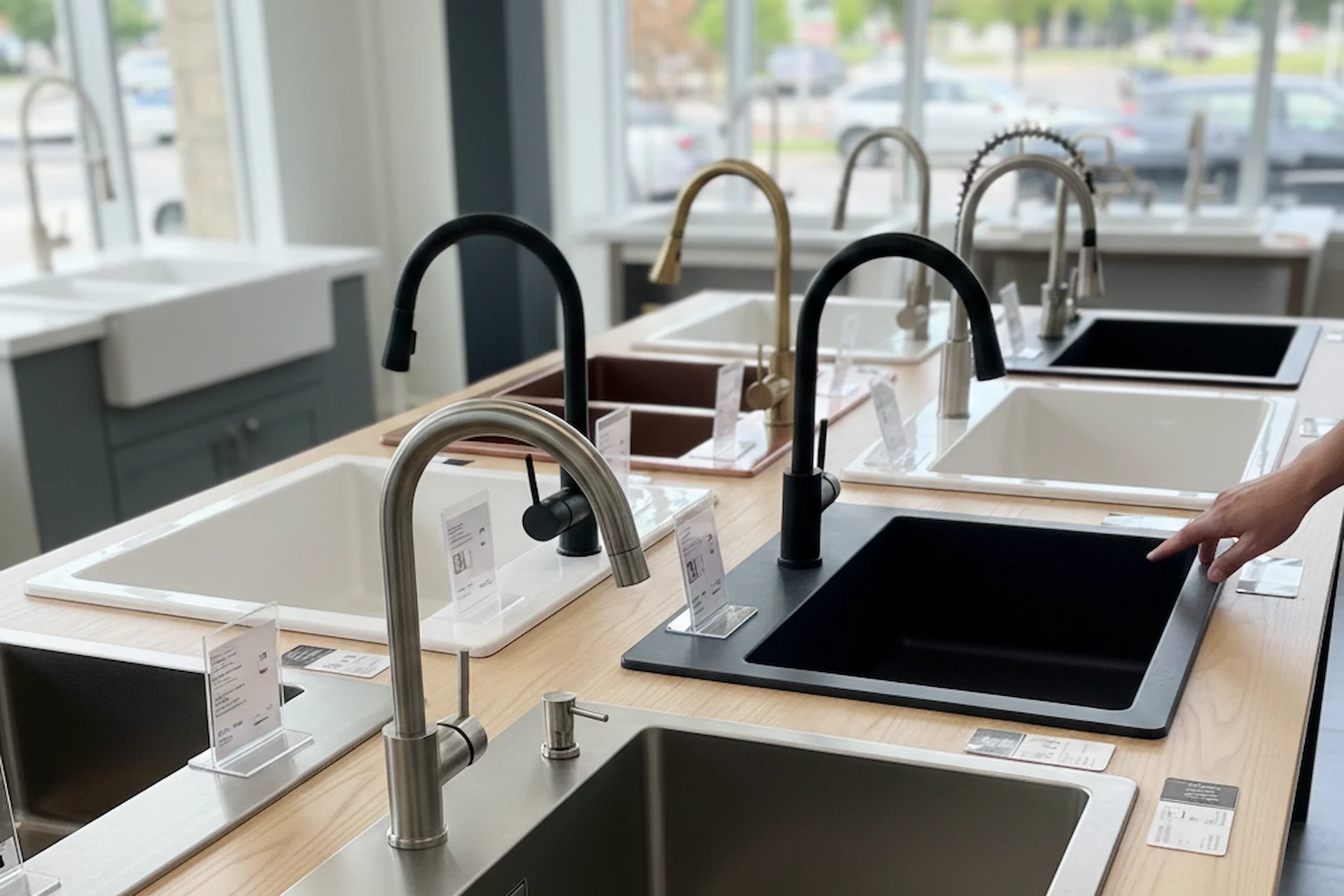
Question: What To Look For When Buying a Kitchen Sink?
Answer: When looking for a kitchen kitchen consider material (stainless steel, granite), configuration (single/double bowl), and installation type (undermount/top-mount). Also, check the size to ensure it fits your cabinet base and suits your daily tasks for optimal durability and function.
Choosing the Right Kitchen Sink
A kitchen sink is a central workstation in your home. You use it for preparing food, washing dishes, and general cleanup. The right sink improves your kitchen’s workflow and adds to its visual appeal. The wrong sink can create daily frustration and detract from your kitchen’s design. Choosing a new kitchen sink involves several important decisions that impact both function and style. This guide explains what to look for when buying a kitchen sink.
You will need to consider multiple factors to find the perfect fit. Material, size, and configuration are primary considerations. The installation type affects both the look and the ease of cleaning. You also need to think about faucet compatibility and useful accessories. Balancing these elements with your budget ensures you select a sink that serves you well for many years. A thoughtful choice results in a highly functional and beautiful kitchen centrepiece that meets your household’s specific needs.
Getting the Best Kitchen Sink Material
The material of your kitchen sink determines its durability, appearance, and maintenance requirements. Each material offers distinct advantages and disadvantages. Your choice will influence how you use and care for your sink daily. A busy family kitchen may need a different material than a kitchen used by a single person. Consider your lifestyle and kitchen decor when you review your options. The right material will withstand daily use while complementing your countertops and cabinetry.
Many popular materials are available on the market. Understanding the properties of each helps you make an informed decision. Stainless steel is a common choice for its modern look and resistance to heat. Granite composite offers exceptional durability and a wide range of colours. Classic options like cast iron and fireclay provide a traditional feel with a sturdy build. Each material has a unique price point and care routine.
-
Stainless Steel
Stainless steel sinks are popular for their affordability and sleek appearance. They resist heat and stains effectively. Look for a lower gauge number, like 16 or 18, which indicates thicker, more durable steel. Thicker steel is also quieter. A brushed or satin finish helps hide scratches and water spots better than a polished one.
-
Granite Composite
These sinks consist of crushed granite mixed with resin. This creates a highly durable, non-porous surface. Granite composite sinks resist scratches, stains, and heat. They come in many colours, often with a matte finish. They are a great choice for adding a touch of colour to your kitchen design.
-
Cast Iron
Cast iron sinks have a heavy iron base coated in a thick layer of enamel. The enamel gives them a glossy, smooth finish that is easy to clean and stain-resistant. These sinks are extremely durable but very heavy, requiring reinforced cabinetry. The enamel can chip if a heavy object is dropped on it.
-
Fireclay
Fireclay sinks are made from clay fired at a very high temperature. This process fuses the clay and glaze, creating a hard, non-porous material. Fireclay is highly resistant to chipping, scratching, and staining. It is most common in farmhouse-style sinks and offers a classic, timeless look.
Click the link to learn more about Blue Kitchen Refacing
Related Article: How To Prep for Kitchen Sink Replacement?
Related Article: What Is the Most Popular Kitchen Sink Size?
Kitchen Sink Installation Types
The installation type is a key detail when buying a kitchen sink. It defines how the sink sits in relation to the countertop. This choice affects the kitchen’s overall aesthetic and the ease of daily cleaning. Some installation types are limited to specific countertop materials, so you must ensure compatibility. Your three main options are top-mount, undermount, and farmhouse. Each has a distinct installation process and final appearance. Discussing these options with your contractor or installer can help you choose the best one for your setup.
Top-mount sinks are the easiest to install, making them a popular choice for DIY projects. Undermount sinks offer a clean, modern look and simplify countertop cleanup. Farmhouse sinks, also known as apron-front sinks, make a bold style statement and require a specialized cabinet for installation. The right choice depends on your budget, your countertop material, and the style you want to achieve in your kitchen.
-
Top-Mount (Drop-In)
A top-mount sink is lowered into a hole cut in the countertop. Its rim rests on the counter’s surface, supporting the sink’s weight. This is the most common and generally most affordable installation type. The raised rim can trap dirt and grime, requiring regular cleaning.
-
Undermount
An undermount sink is installed from below the counter, creating a seamless edge between the countertop and the sink basin. This makes it easy to wipe crumbs and spills directly into the sink. Undermount sinks work only with solid surface materials like granite, quartz, or marble. They cannot be used with laminate countertops.
-
Farmhouse (Apron-Front)
A farmhouse sink features a wide, deep basin with an exposed front panel, or “apron.” This design is both ergonomic and visually striking. It requires a special base cabinet that is cut to accommodate the apron front. Farmhouse sinks can be installed as either top-mount or undermount models.
Faucet and Accessory Compatibility
Your new kitchen sink needs a compatible faucet. Most sinks come with pre-drilled holes for the faucet and other accessories like a soap dispenser or side sprayer. The number of holes can range from one to five. You should choose your faucet before you finalize your sink purchase to ensure they match. A single-hole faucet creates a minimalist look, while a three-hole faucet accommodates a spout and two separate handles. A fourth hole is often used for an accessory. Check the product specifications for both the sink and faucet to confirm compatibility.
Accessories can greatly improve your sink’s functionality. Many manufacturers offer custom-fit accessories designed specifically for their sink models. These items can transform your sink into an efficient food preparation and cleanup station. Consider which accessories would benefit your daily routine. Investing in the right tools makes your time at the sink more productive and enjoyable. They help protect your sink’s surface and keep your kitchen organized.
-
Bottom Grids
A stainless steel grid sits on the bottom of the sink basin. It protects the surface from scratches from heavy pots and allows water to drain freely when the sink is full of dishes.
-
Cutting Boards
Some sinks, particularly workstation models, have a built-in ledge to support a sliding cutting board. This creates extra counter space directly over the sink, which is ideal for food prep.
-
Colanders and Racks
Custom-fit colanders are perfect for rinsing vegetables or draining pasta. Drying racks that sit over the sink provide a convenient place to air-dry dishes without cluttering your countertop.
Budgeting and Long-Term Value for Your New Sink
The price of a kitchen sink can vary significantly. Costs range from a couple of hundred dollars to several thousand. The final price depends on the material, size, brand, and installation type you choose. It is important to establish a clear budget before you start shopping. This helps you narrow down your options and focus on sinks that meet your financial plan. Remember to account for the cost of a new faucet, plumbing, and professional installation in your overall budget.
While the initial cost is important, you should also consider the sink’s long-term value. A cheaper sink might save you money now but could cost more later in repairs or early replacement. A high-quality sink made from a durable material is a wise investment. It will withstand years of daily use and continue to look good. A durable sink maintains your home’s value and reduces the chance of future problems. Always check the manufacturer’s warranty. A long and comprehensive warranty is a good indicator of a product’s quality and the brand’s confidence in its durability.
Conclusion
You now understand the key factors to look for when buying a kitchen sink. Your final decision should balance your practical needs with your kitchen’s style. Start by confirming the maximum sink size your cabinet can handle. Then, review the different materials to find one that suits your durability requirements and maintenance preferences. A stainless steel sink offers a versatile and budget-friendly solution, while a fireclay or cast iron sink provides a classic, durable centrepiece. Think carefully about how you work in your kitchen to choose between a single or double bowl configuration.
The installation method and faucet compatibility are also crucial details. An undermount sink provides a clean look with solid countertops, while a top-mount is a simpler, more universal option. Make sure your chosen sink has the correct number of holes for your desired faucet and accessories. Finally, align your choices with your budget, considering both the upfront cost and the long-term value. A kitchen sink is a fixture you will use every day for many years. A well-considered purchase will improve your kitchen’s functionality and increase your enjoyment of the space.

Blue Malue Get in touch with Blue here.