Question: Which Countertop Materials Do Kitchen Designers Recommend Avoiding?
Answer: Designers recommend avoiding materials with high maintenance or low durability. This typically includes tile, due to hard-to-clean grout lines, and laminate, which is prone to scratches and heat damage. Some also caution against marble in busy kitchens because it stains and etches easily.
Kitchen Countertops That Professionals Often Advise Against
Choosing the right countertop is a critical decision in any kitchen renovation. This single surface defines the room’s aesthetic, provides your primary workspace, and endures daily use for years. Seasoned kitchen designers bring a different perspective to the table. They prioritize long-term performance, maintenance requirements, and overall value. A beautiful material that stains, scratches, or demands constant upkeep can quickly turn a dream kitchen into a source of frustration. Understanding these practical considerations is essential for making an investment you will appreciate for a long time.
Professionals gain their insights from years of experience seeing how different materials perform in real-world homes. They observe which surfaces stand up to busy family life and which ones show wear and tear almost immediately. This knowledge helps them guide clients toward choices that balance beauty with durability. Before you commit to a specific slab, it is wise to learn which countertop materials do kitchen designers recommend avoiding. This advice is not about dismissing certain materials entirely, but about understanding their specific weaknesses. A material that is perfect for a seldom-used bar might be a complete disaster in a high-traffic family kitchen where children do homework and meals are prepared daily.
The Problem with Soft and Porous Natural Stones
Natural stone countertops offer undeniable elegance and unique visual appeal, with each slab presenting a one-of-a-kind pattern. Materials like marble are famous for their luxurious look, often seen in high-end design magazines. Despite its beauty, many kitchen designers advise caution when considering marble for a busy kitchen. The primary reason is its composition. Marble is a relatively soft, porous stone, which makes it highly susceptible to damage from everyday kitchen activities. Its surface is prone to scratching from knives, pans, and even abrasive cleaning pads. This means homeowners must always use cutting boards and be mindful of what they place on the counter.
The porous nature of marble is an even greater concern for many designers. It readily absorbs liquids, leading to permanent stains from common spills like red wine, coffee, or oil. Acidic substances, such as lemon juice, vinegar, or tomato sauce, pose another significant threat. These liquids cause etching, which is a chemical reaction that dulls the stone’s surface, leaving a subtle but permanent mark. While sealing the countertop provides some protection, it must be reapplied regularly and does not make the surface invincible. For families with young children or those who cook frequently, the constant vigilance required to protect a marble countertop often outweighs its aesthetic benefits, leading designers to recommend more resilient alternatives.
Click here for more information on refacing kitchen cabinet doors in Toronto
Related Article: Have Laminate Countertops Gone Out of Style?
Related Article: What Countertops Never Go Out of Style?
Which Countertop Materials Do Kitchen Designers Recommend Avoiding?
When clients ask which countertop materials do kitchen designers recommend avoiding, the answer often depends on the homeowner’s lifestyle and cooking habits. However, certain materials consistently raise red flags for professionals due to their impracticality in a typical, active home. Tile countertops are a prime example. While ceramic and porcelain tiles themselves are durable and heat-resistant, the extensive network of grout lines presents a major challenge. Grout is porous and notoriously difficult to keep clean. It easily absorbs spills, leading to stubborn stains and discoloration. Worse, the damp environment of a kitchen makes grout lines a perfect breeding ground for mould and bacteria, posing a significant hygiene concern.
Another material designers often discourage for main kitchen work areas is certain types of solid wood. Butcher block counters have a warm, appealing look, but they demand a high level of commitment from the homeowner. Wood is susceptible to water damage, especially around the sink area, which can lead to dark stains or even rot if not managed properly. It also scratches and dents easily. To maintain its appearance and protect it from moisture, a wood countertop requires regular sanding and oiling. For most busy families, this ongoing maintenance is a significant burden. Professionals favour materials that provide peace of mind and do not add another chore to a homeowner’s already long list.
Concrete Countertops and Their Hidden Flaws
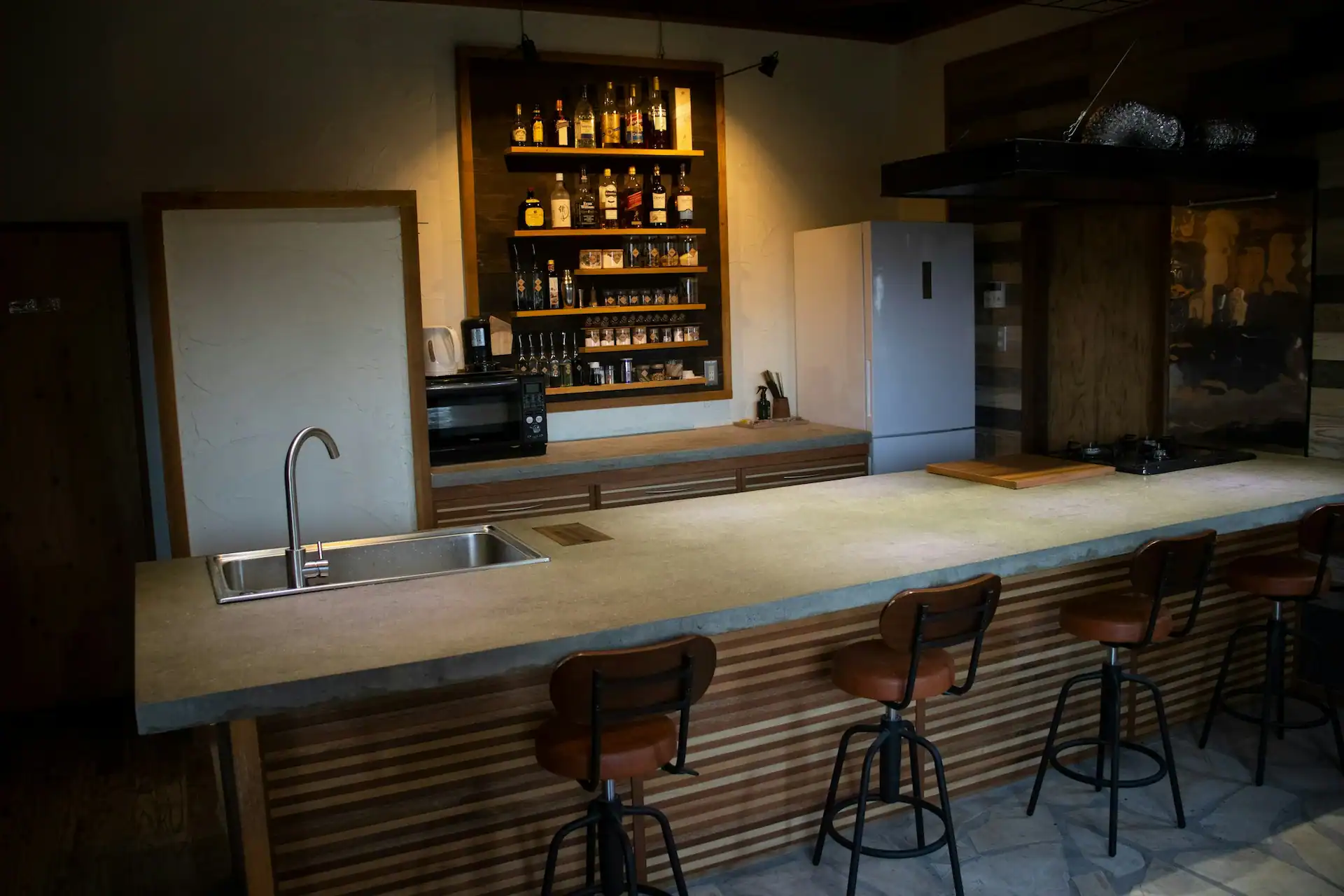
Concrete countertops offer a unique industrial or modern aesthetic that appeals to many. They can be customized with different colours and finishes. Yet, designers often point out their significant downsides. Concrete is extremely porous by nature and will stain easily if not sealed perfectly. This sealing process must be repeated periodically, often more frequently than with stone. Even with a good sealer, hairline cracks can develop over time as the house settles or from impacts. While sometimes viewed as part of its character, these cracks can trap food particles and bacteria, making them a cleaning challenge and a potential hygiene issue for food preparation.
The Practical Issues with Glass Countertops
Glass countertops create a sleek, contemporary, and airy feel in a kitchen. They are non-porous, which means they are highly resistant to staining and are very hygienic. Despite these benefits, kitchen designers frequently advise against them for primary work surfaces due to several practical drawbacks. The most immediate issue is their visibility of smudges, fingerprints, and water spots. A glass surface requires constant wiping to maintain its clean, polished appearance, which can be a source of daily annoyance for homeowners. The pristine look that is so appealing in a showroom is difficult to maintain in a real, working kitchen where life happens.
Beyond cleaning, the durability of glass is a significant concern. Although tempered glass used for countertops is strong, it is not immune to damage. It can be scratched by abrasive materials, and a hard impact from a dropped pot or pan can cause it to chip or crack. Unlike other materials where a small chip might be repaired or ignored, damage on a glass countertop is highly visible and often impossible to fix, necessitating a full replacement. Some people also find the noise of placing plates, glasses, and cutlery on a glass surface to be loud and unpleasant. These practical factors lead designers to suggest glass for less-used areas like a bar top rather than the main food preparation zone.
Making the Best Choice for Your Kitchen’s Future
Choosing the right countertop involves more than just selecting a beautiful colour or pattern. It requires a careful evaluation of how your household functions and your tolerance for maintenance. The insights from kitchen designers provide a valuable roadmap, highlighting materials that may look stunning but fail to deliver long-term satisfaction in a busy home. By understanding the inherent weaknesses of porous stones like marble, the limited lifespan of laminate, the cleaning challenges of tile grout, and the fragility of glass, you can avoid common pitfalls. This professional perspective encourages you to look past initial appearances and consider the daily realities of living with your choice.
The goal is to select a countertop that supports your lifestyle, not one that dictates it. The final decision is personal, but it should be an informed one. Ask yourself honestly about your cooking habits, how much time you are willing to spend on cleaning and upkeep, and how your family uses the kitchen every day. By considering which countertop materials do kitchen designers recommend avoiding, you are better equipped to invest in a surface that offers a winning combination of style, function, and durability. This thoughtful approach ensures your new countertop will be a source of pride and a reliable workhorse in the heart of your home for many years to come, providing true value for your renovation investment.

Blue Malue Get in touch with Blue here.