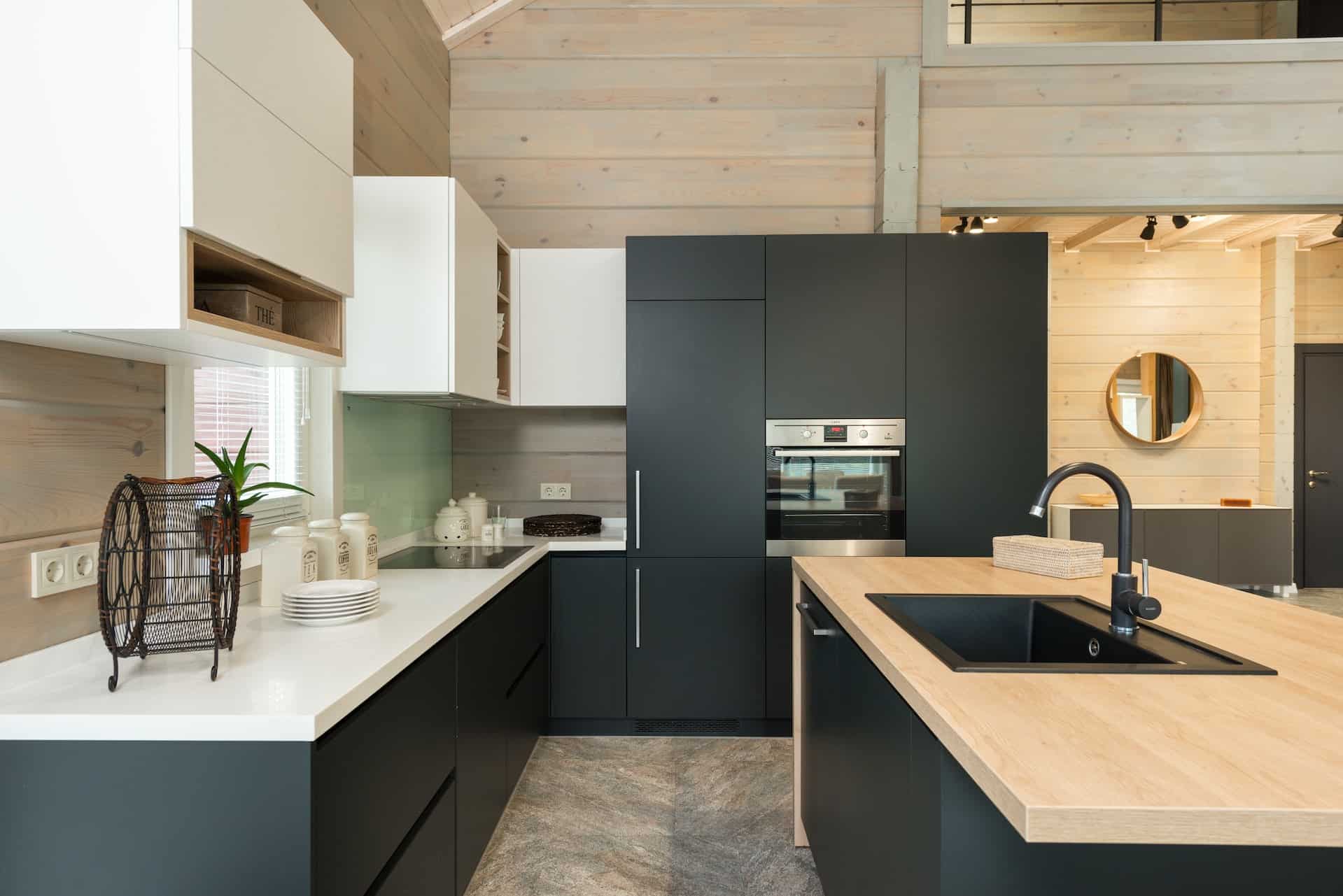
Question: Why Are IKEA Kitchens So Cheap?
Answer: IKEA kitchens are so cheap because they use mass-produced, standardized components and cost-effective materials. The flat-pack design reduces shipping and storage costs, while requiring you to handle the assembly eliminates professional labor fees, significantly lowering the overall price.
The Low Price of IKEA Kitchens
Many homeowners wonder why IKEA kitchens are so cheap compared to custom or semi-custom options. The Swedish retailer has built a global reputation for offering stylish and functional home furnishings at remarkably low prices. This affordability extends directly to their popular kitchen systems, making a full renovation accessible to a wider audience. The low price tag often leads to questions about quality, durability, and potential hidden costs. People want to know if they are getting a good deal or simply buying a product that will not last.
The answer to IKEA’s low kitchen prices lies in a brilliant and highly efficient business model. This model touches every aspect of the product’s journey, from initial design to final assembly in your home. IKEA strategically reduces costs through mass production, innovative flat-pack shipping, smart material selection, and placing a significant part of the labour on the customer. Each of these elements contributes to the final price you see in the showroom. Understanding this system reveals that the affordability is less about cutting corners on essential quality and more about maximizing efficiency at every possible step.
This article explores the specific strategies IKEA employs to keep its kitchen prices so competitive. We will examine how their global scale gives them immense buying power. We will also analyze the genius of the flat-pack concept and how it slashes transportation and storage expenses. By looking closely at their material choices and the role you play as the customer, you will gain a clear picture of how this affordability is achieved. This knowledge will help you decide if an IKEA kitchen provides the right value for your home renovation project.
The Power of Mass Production and Standardization
A primary reason for IKEA’s low prices is its mastery of mass production. The company does not create one-of-a-kind kitchens. Instead, it designs a limited range of standardized cabinet sizes, door styles, and finishes. This standardization allows IKEA to manufacture millions of identical components with extreme efficiency. Factories are optimized to produce huge volumes of the same item, which dramatically lowers the cost per unit. This approach minimizes waste, reduces machine setup times, and streamlines the entire production process from start to finish.
This massive scale gives IKEA incredible negotiating power with its suppliers. The company purchases raw materials like wood, metal, and laminates in enormous quantities, securing prices that smaller manufacturers cannot access. This bulk purchasing of materials is a foundational cost-saving measure that directly translates into lower retail prices for consumers. Their global supply chain is a finely tuned machine, sourcing materials and manufacturing products in the most cost-effective locations around the world. Every step is optimized to reduce expense, ensuring the final product remains affordable without compromising its core function.
Click here for more information on IKEA kitchen cabinets
Related Article: How Many Days Does it Take to Install an IKEA Kitchen?
Related Article: Is Installation Free at IKEA?
Smart Material Choices and Construction
IKEA makes deliberate choices about the materials used in its kitchen cabinets to balance cost, durability, and appearance. Most IKEA cabinet frames (the boxes) are made from particleboard or medium-density fibreboard (MDF). These engineered wood products are created by combining wood fibres or particles with resin and pressing them into dense sheets. This process is much less expensive than sourcing and milling solid wood. These materials also offer excellent stability and resistance to warping, making them well-suited for the consistent environment of a kitchen.
The cabinet doors and drawer fronts come in a variety of finishes applied over an MDF core. These finishes include durable laminates, high-gloss foils, and paint. These options provide a clean, modern look at a fraction of the cost of solid wood doors. While IKEA does not primarily use expensive hardwoods, it does not compromise on the most critical components. The company famously partners with BLUM, a respected Austrian manufacturer, for its hinges and drawer slides. These high-quality hardware pieces ensure that the parts of the kitchen you interact with daily are smooth, reliable, and built to last, which is why IKEA confidently offers a long warranty.
The Customer’s Role in the IKEA Model
IKEA’s business model depends heavily on customer participation. The company designs its entire process around you, the customer, performing tasks that traditional kitchen retailers would handle for you. This “active customer” approach is a major factor in why IKEA kitchens are so cheap. It effectively outsources labour costs, allowing the company to maintain its low price structure. From the initial planning stages to the final installation, your effort translates directly into savings.
Your involvement happens at several key stages of the kitchen renovation process.
-
Design and Planning
IKEA provides a free, powerful online 3D kitchen planner. This tool allows you to design your entire kitchen layout, experiment with different styles, and generate a complete item list. By using this software, you become your own kitchen designer. This eliminates the need for IKEA to employ a large team of in-house designers, a service that other kitchen companies often build into their higher prices. -
Shopping and Transportation
The IKEA shopping experience is unique. You walk through the showroom, note the items you want, and then retrieve the flat-packed boxes yourself from the self-serve warehouse. You are also typically responsible for getting your purchases home. This self-service model reduces the need for a large sales and warehouse staff, and it minimizes the company’s delivery logistics network. -
Assembly and Installation
The most significant customer contribution is the assembly and installation. Building the flat-pack cabinets and mounting them on the wall is a labour-intensive process. By taking on this task, you save what could amount to thousands of dollars in professional installation fees. This DIY element is the final piece of the puzzle that makes an IKEA kitchen so affordable.
Are IKEA Kitchens Good Value for the Money?
Considering the low price, it is fair to ask about the overall value of an IKEA kitchen. Value is a combination of price, quality, longevity, and functionality. In this regard, IKEA kitchens perform exceptionally well. While they may not use premium materials like solid cherry wood, the quality of what they provide for the price point is excellent. The use of durable engineered wood, robust finishes, and high-end BLUM hardware creates a product that stands up to daily use. IKEA’s confidence in their product is demonstrated by their 25-year limited warranty on the SEKTION kitchen system.
When you compare the total cost of an IKEA kitchen to a semi-custom or fully custom kitchen, the savings are immense. A custom kitchen can easily cost five to ten times more. For many homeowners, this price difference makes a new kitchen possible. An IKEA kitchen offers modern European style and great functionality that can be personalized with different countertops, hardware, and appliances. It is a smart choice for budget-conscious renovators, first-time homebuyers, and anyone who wants a stylish, functional kitchen without a massive financial investment. The key is to understand that you are paying for good-quality components, not for design and assembly services.
Why an Inexpensive IKEA Kitchen Makes Sense
The reason IKEA kitchens are so cheap is not due to a single factor but a combination of deliberate, intelligent business strategies. IKEA has perfected a model built on extreme efficiency. Through massive global production runs, the company achieves economies of scale that are impossible for smaller competitors to match. This allows them to secure low prices on materials, which forms the foundation of their affordable pricing. The flat-pack design is the next critical element, slashing shipping and storage costs while cleverly transferring the cost of assembly labour to the consumer.
IKEA makes smart material choices, using durable and cost-effective engineered woods and laminates paired with top-tier hardware where it matters most. This ensures the final product is reliable for everyday use. Finally, the entire system relies on the customer’s active involvement in design, transport, and installation. Your effort is a direct trade for a lower price. Ultimately, an IKEA kitchen’s low cost does not mean it is a low-quality product. Instead, it reflects a business model that has removed nearly every non-essential expense from the supply chain, delivering a stylish and functional kitchen at a price point that makes it an accessible and practical choice for millions of people.

Blue Malue Get in touch with Blue here.