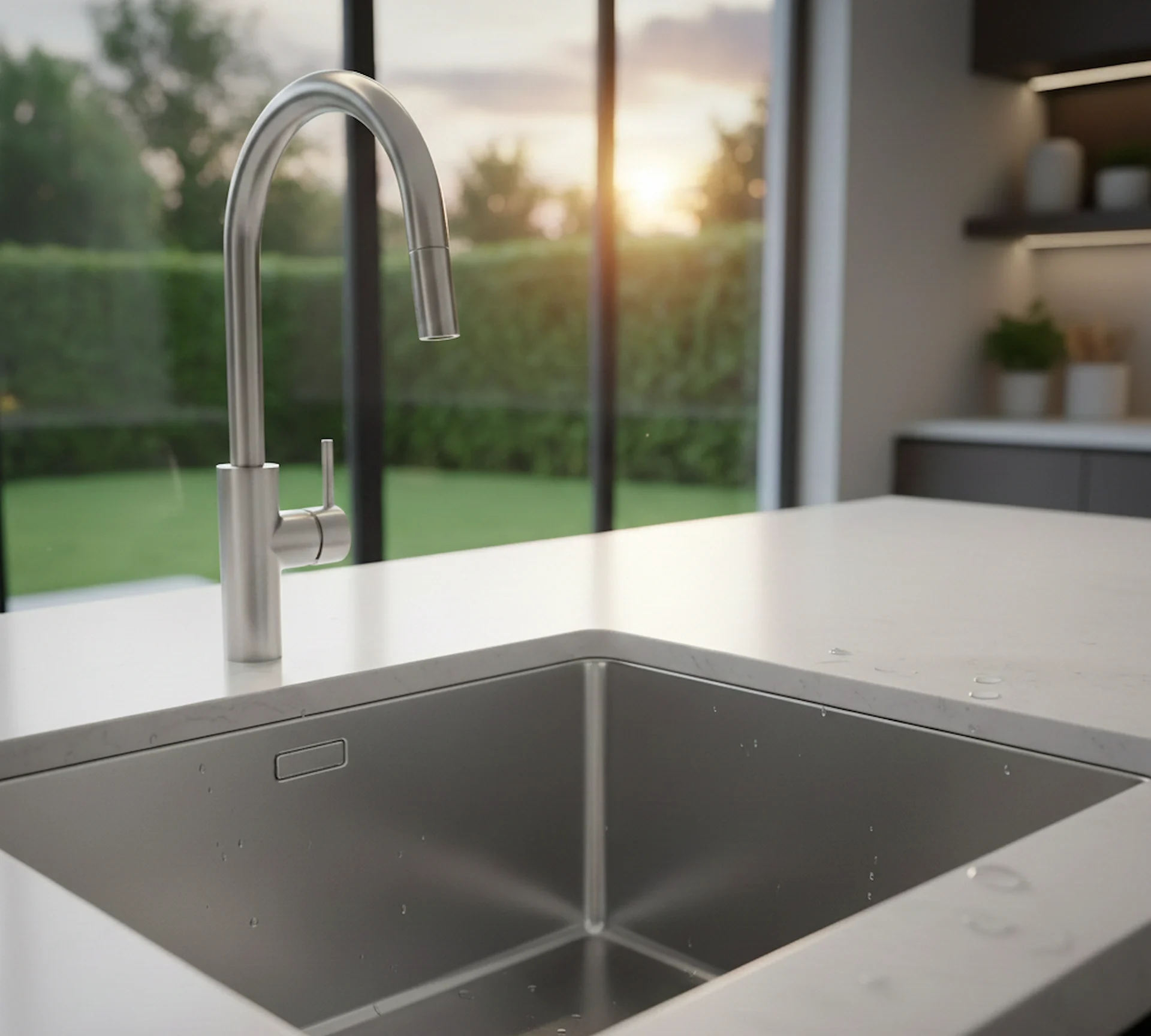
Question: What Gauge Is a High Quality Kitchen Sink?
Answer: For a high-quality kitchen sink, a lower gauge number is better as it indicates thicker steel. 16-gauge is a premium, durable choice that reduces noise, while 18-gauge is also an excellent, widely available option. Thicker steel better resists dents and vibration.
Choosing a Kitchen Sink: Understanding Gauge for Lasting Quality
Selecting a new kitchen sink involves many decisions. You consider size, style, and material. One critical factor often overlooked is the sink’s gauge. The gauge of a stainless steel sink determines its thickness and, consequently, its durability and performance over time. Understanding this measurement is essential for choosing a sink that withstands daily use. A high-quality kitchen sink provides years of reliable service, resisting dents, noise, and wear.
The gauge that makes for a high quality kitchen sink lies in a simple numbering system where the logic is inverted. A lower gauge number signifies a thicker, more durable steel. A higher gauge number means the steel is thinner and more susceptible to damage. We will help you identify the ideal thickness for your needs, ensuring your new sink is a valuable, long-term addition to your kitchen. Learn how different gauges affect everything from noise levels to heat retention, giving you the knowledge to make an informed purchase.
The Stainless Steel Gauge System
The gauge system for sheet metal is a standard measurement of thickness. For kitchen sinks, this number directly reflects the quality of the stainless steel. The most common gauges for kitchen sinks range from 16 to 22. It is vital to remember the inverse relationship: the smaller the number, the thicker the steel. For example, a 16-gauge sink is significantly thicker and heavier than a 22-gauge sink.
Thicker steel provides substantial benefits. It offers superior resistance to dents from dropped pots, pans, or heavy utensils. A thicker sink also vibrates less, which reduces noise from running water and a garbage disposal. This creates a quieter kitchen environment. Thinner, higher-gauge sinks are often found in budget-friendly models. While they lower the initial cost, they are more likely to dent, scratch, and produce more noise during use. Understanding this system is the first step toward selecting a sink that meets your quality expectations.
Please visit the home page where you can find out more about Blue Kitchen Refacing
Related Article: What Is the Most Popular Kitchen Sink Size?
Related Article: What Is the Best Kitchen Sink That Doesn’t Scratch or Stain?
How Sink Gauge Affects Your Daily Kitchen Experience
The gauge of your kitchen sink directly impacts its daily performance and your overall satisfaction. A lower-gauge sink improves your kitchen experience through better sound insulation, increased durability, and even improved temperature control. These practical benefits demonstrate why thickness is such an important factor.
-
Sound Dampening and Noise Reduction
Thicker steel, found in 16 and 18-gauge sinks, does not vibrate as easily as thinner steel. This physical property significantly reduces the noise from clanging dishes, running water, and the operation of a garbage disposal. High-quality sinks often pair this thick steel with sound-absorbing pads and an undercoating for near-silent operation.
-
Dent and Damage Resistance
A kitchen sink endures constant use. Heavy pots and pans can accidentally be dropped. A lower-gauge sink offers superior protection against dents and dings. The thicker material provides a stronger surface that can absorb impacts without deforming, keeping your sink looking new for longer.
-
Heat Retention and Stability
The greater mass of a 16 or 18-gauge sink helps it retain heat. This means a basin full of hot water will stay warm for a longer period, which is useful for washing dishes or soaking pots. The thicker steel also provides a more stable base for the faucet, preventing any flexing or movement during use.
Beyond Gauge: Other Marks of a Superior Sink
While the question “What gauge is a high quality kitchen sink?” points to a crucial factor, gauge alone does not define a sink’s overall quality. Several other elements work together to create a truly superior product. When you shop for a new sink, you should also evaluate the grade of the stainless steel, the design of the corners, and the quality of the finish. These features contribute to the sink’s appearance, ease of maintenance, and long-term performance.
-
Stainless Steel Grade and Composition
The most common and recommended grade for kitchen sinks is Type 304 stainless steel. This grade contains a specific ratio of chromium and nickel, typically 18/8 or 18/10. The chromium provides resistance to rust and corrosion, while the nickel enhances its durability and lustre. A sink made from Type 304 steel will resist stains and maintain its appearance effectively.
-
Corner Radius and Cleanability
The corner radius refers to how rounded the corners of the sink basin are. Sinks with a zero-radius have sharp, 90-degree corners for a crisp, modern look. However, these corners can be difficult to clean. Sinks with a small radius, typically between 10 and 20 millimetres, offer a good compromise. They maintain a contemporary aesthetic while being much easier to wipe down, preventing grime buildup.
-
Finish, Pads, and Undercoating
The finish of the sink affects both its look and its maintenance. A brushed or satin finish is popular because it helps to hide minor scratches and water spots. Additionally, look for sinks with sound-dampening pads on the exterior walls and a protective undercoating. These features reduce noise and prevent condensation from forming on the underside of the sink, protecting your cabinets from moisture damage.
Conclusion
Choosing the right kitchen sink is an investment in your home’s most-used space. When you evaluate your options, remember that a lower gauge number means thicker, better-quality steel. A 16 or 18-gauge sink will provide the durability and performance needed for a busy kitchen. It will resist dents, reduce noise, and maintain its beautiful appearance for years. These sinks offer a superior user experience that justifies their position as the standard for high-quality installations. The answer to “What gauge is a high quality kitchen sink?” is clearly a lower number.
However, your final decision should also account for other important factors. Look for a sink made from Type 304 stainless steel to ensure excellent corrosion resistance. Consider the corner radius for ease of cleaning and a finish that complements your kitchen’s style while hiding everyday wear. A sink with ample sound-dampening pads and a protective undercoating will create a quieter kitchen and protect your cabinetry. By considering the complete package—gauge, material, and features—you can confidently select a sink that offers exceptional value and enhances your daily kitchen routine.

Blue Malue Get in touch with Blue here.