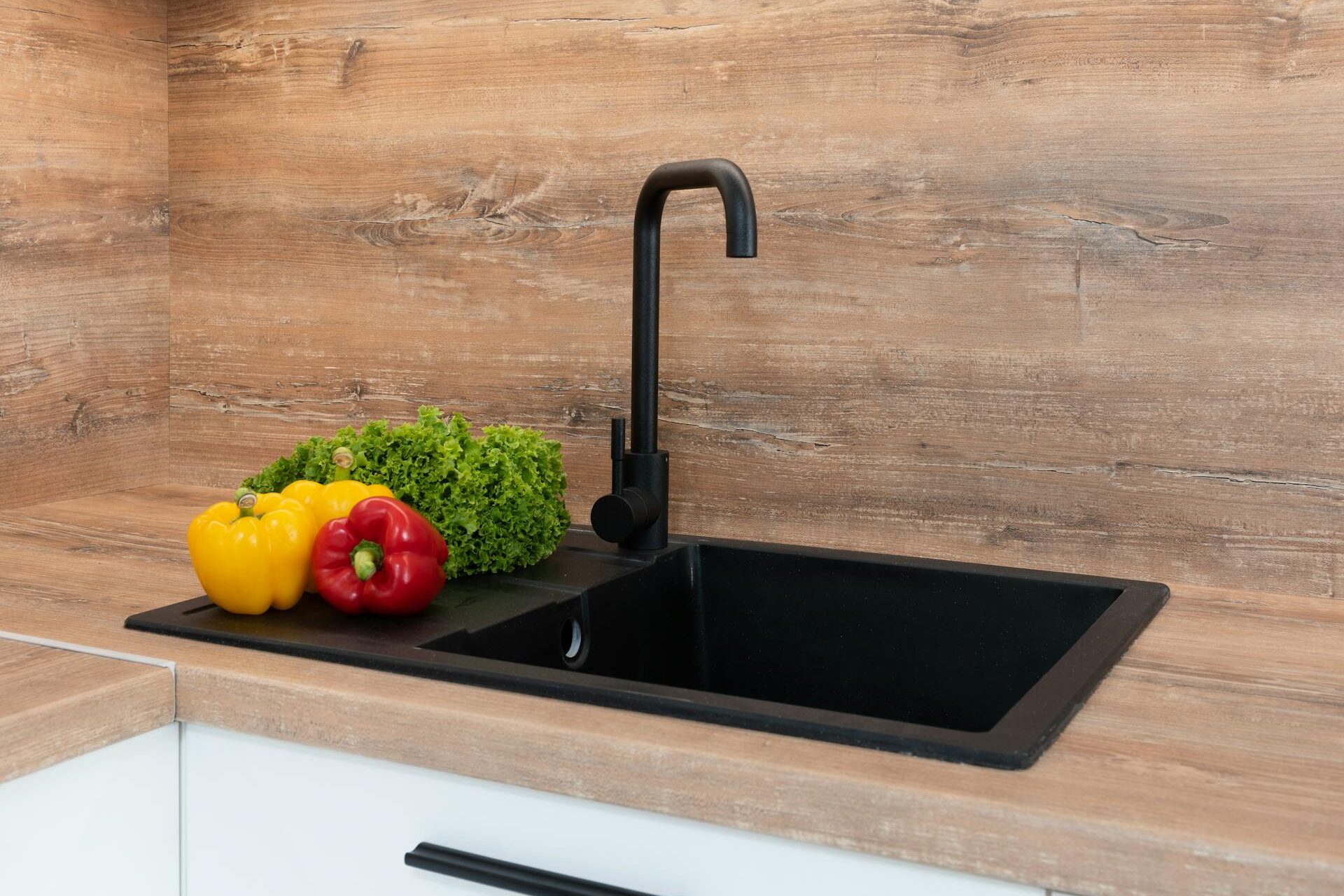
Question: Can You Pour Boiling Water in a Composite Kitchen Sink?
Answer: It is not recommended that you pour boiling water directly onto a composite kitchen sink’s surface. The sudden, extreme heat can cause thermal shock, potentially cracking or discoloring the sink’s surface. To prevent damage, always run cold water from the tap simultaneously to temper the heat as you pour the boiling water.
Pouring Hot Water into a Composite Sink
Many homeowners love their composite kitchen sinks for their modern look and durable finish. A common kitchen task involves draining boiling water from a pot of pasta or vegetables. This simple action raises an important question for owners of these fixtures. Can you pour boiling water in a composite kitchen sink without causing damage? The answer is not a simple yes or no. While high-quality composite sinks are designed to be heat-resistant, they are not completely immune to the effects of extreme and sudden temperature changes.
Pouring a large volume of boiling water directly onto the sink’s surface can create a risk of thermal shock. This phenomenon can lead to fine cracks, discoloration, or long-term structural weakness. The durability of your sink against such heat depends on its quality, its material composition, and how you perform the action. Understanding the correct procedure is essential for protecting your investment. By following a few simple precautions, you can safely handle hot liquids and preserve your sink’s appearance and function for years to come. This article explains the risks and provides safe methods for managing boiling water.
What Makes a Composite Sink Unique?
A composite sink consists of crushed natural stone, like granite or quartz, mixed with an acrylic or epoxy resin binder. This mixture is then moulded into a sink form and cured under high pressure. The result is an incredibly dense and durable material. Typically, these sinks contain about 80% stone and 20% resin. This composition gives composite sinks their signature benefits. They resist scratches, chips, and stains much better than many other materials. The non-porous surface also makes them hygienic and easy to clean.
The unique blend of stone and resin directly influences the sink’s heat resistance. The natural stone component can handle very high temperatures. However, the resin binder has a lower heat tolerance. When you expose the sink to extreme heat, the stone and resin expand at different rates. This differential expansion creates internal stress within the material. While a well-made composite sink can withstand temperatures up to approximately 280°C (535°F), repeated or sudden exposure to boiling water can test these limits. The quality of the resin and the manufacturing process play a large role in the sink’s overall thermal durability.
Click here to learn more about Blue Kitchen Refacing
Related Article: Can You Pour Boiling Water Into a Quartz Kitchen Sink?
Related Article: Can I Pour Boiling Water Into a Ceramic Kitchen Sink?
How to Safely Pour Hot Water in Your Composite Sink
You can safely drain boiling water in your composite sink by adopting a few simple habits. These techniques minimize the risk of thermal shock and help maintain the sink’s integrity. The goal is to avoid subjecting any single area of the sink to a sudden, intense blast of heat. By moderating the temperature change, you protect the delicate balance between the stone and resin components. Incorporating these steps into your kitchen routine ensures your sink remains in excellent condition.
-
Turn on the Cold Water Tap
Before you pour the boiling water, start running cold water from your faucet. Aim the stream of boiling water directly into the running cold water. This action immediately lowers the temperature of the water hitting the sink’s surface, significantly reducing the severity of the temperature change. It is one of the most effective methods to prevent thermal shock.
-
Aim for the Drain and Metal Flange
Whenever possible, pour hot liquids directly down the centre of the drain. The metal drain flange is designed to handle high temperatures much better than the composite material. By targeting the drain, you bypass direct contact with the sink surface. This method is especially useful when you are not running cold water simultaneously.
-
Allow Water to Cool Slightly
If you are not in a rush, let the boiling water sit in the pot for a minute or two after you remove it from the heat. This brief cooling period can lower the temperature just enough to decrease the risk of damage. Even a small drop in temperature can make a difference in reducing the potential for thermal shock on the sink’s surface.
-
Check Manufacturer Recommendations
Always consult the care and maintenance guide that came with your sink. Different manufacturers use slightly different formulations and production processes. Your sink’s specific heat tolerance and recommended care instructions will be detailed in this documentation. Following the manufacturer’s advice is the best way to protect your warranty and your sink.
Do All Composite Sinks Handle Heat the Same?
Not all composite sinks offer the same level of heat resistance. The quality and composition of the sink are major factors in its durability. Generally, sinks with a higher percentage of natural stone, such as granite or quartz, perform better against high temperatures. A sink labelled as 80% granite will typically be more resilient than one with a lower stone-to-resin ratio. The higher stone content provides a more stable structure that can better dissipate heat and resist the stresses of thermal expansion.
The quality of the resin binder is also extremely important. Premium manufacturers use advanced acrylic or epoxy resins formulated specifically for high heat tolerance and resistance to staining and scratching. Cheaper, lower-quality sinks may use inferior resins that are more susceptible to heat damage, discoloration, and cracking. When shopping for a composite sink, investing in a reputable brand known for high-quality materials often translates to better long-term performance and a greater ability to withstand the demands of a busy kitchen, including contact with hot water and cookware.
Recognizing and Addressing Heat-Related Damage
It is important to know the signs of heat damage on a composite sink so you can address them promptly. The most common issue is the appearance of very fine, spiderweb-like cracks. These often form around the drain area but can appear anywhere on the sink’s surface. You may need to inspect the sink closely under good lighting to spot them. Another frequent sign is discoloration or fading. The affected area might look chalky, bleached, or dull compared to the rest of the sink, which indicates the resin binder has been compromised by heat.
For minor discoloration or surface dulling, you may find success with a specialized composite sink cleaner or a gentle polishing compound. These products can sometimes restore the finish by removing the damaged surface layer of resin. However, if your sink has developed cracks, the damage is usually permanent. Hairline cracks cannot be easily repaired and can worsen over time, potentially leading to leaks. In these situations, the only reliable solution is to have the sink professionally repaired or replaced. Regular inspection helps you catch any issues early and adjust your habits to prevent further damage.
Protecting Your Composite Sink for the Long Term
You can pour boiling water in a composite kitchen sink if you take the proper precautions. These sinks are tough, but they are not indestructible. The key to their longevity lies in preventing thermal shock. By always running cold water while draining hot liquids, you effectively neutralize the risk of a sudden temperature spike that can stress the material. This simple habit is the single most important step you can take to protect your sink from cracks and discoloration. Aiming for the metal drain or letting the water cool for a moment are also effective strategies.
Your composite sink is a durable and beautiful feature of your kitchen. Treating it with care ensures it will remain that way. Consistently applying these safe practices will prevent heat-related damage and preserve the sink’s structural integrity and aesthetic appeal. Think of these habits not as restrictions but as the proper maintenance for a high-quality appliance. By understanding how your sink works and protecting it from extreme temperatures, you ensure it serves your household reliably for many years, looking as good as the day it was installed.

Blue Malue Get in touch with Blue here.