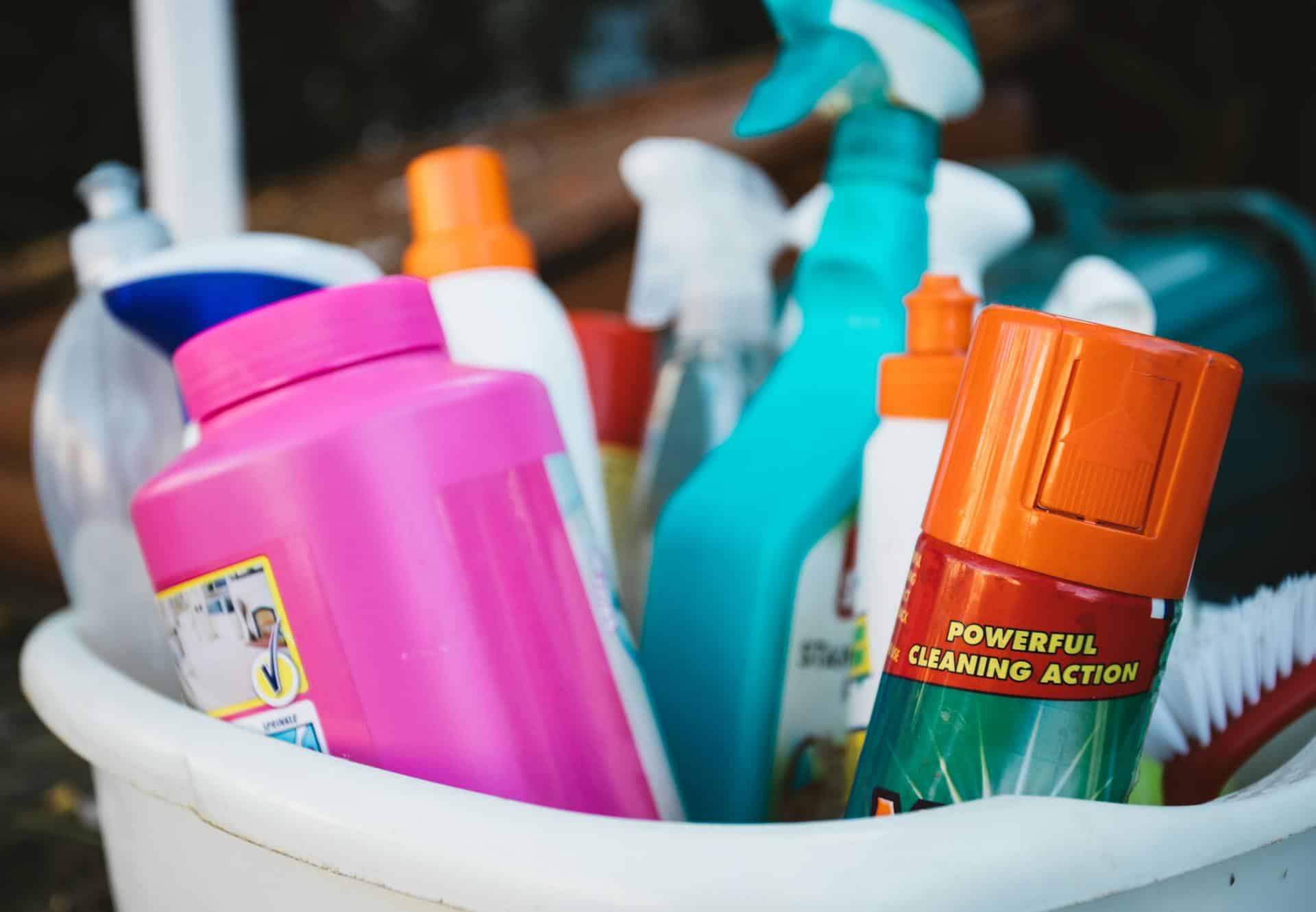
Question: What Household Chemicals Should You Never Use on Kitchen Cabinetry?
Answer: Household chemicals you should never use on kitchen cabinetry include ammonia, bleach, abrasive powders, or strong solvents like nail polish remover. These can strip paint, discolor wood, and cause permanent damage. Stick to mild, pH-neutral cleaners or a simple soap and water solution for safe cleaning.
Household Cleaners Can Permanently Damage Your Kitchen Cabinets
Your kitchen cabinets are a central feature of your home, representing a significant financial and aesthetic investment. Daily life in the kitchen means they inevitably face grease, fingerprints, and food splatters. The natural impulse is to reach for a powerful cleaner to quickly restore their appearance. However, many common household cleaning products contain harsh chemicals that can cause irreversible damage to cabinet surfaces. Using the wrong cleaner can strip the finish, cause discolouration, warp the material, and ultimately shorten the lifespan of your cabinetry. Protecting this investment requires more than just regular wiping; it demands using the right cleaning methods.
Understanding which products to avoid is the first and most important step in proper cabinet care. Many multi-purpose cleaners, while effective on hard surfaces like tile or countertops, are far too aggressive for wood, laminate, or painted cabinet finishes. The damage often happens slowly over time, with each cleaning subtly degrading the protective topcoat until the surface looks dull, feels sticky, or begins to peel. This article will explore exactly why they are damaging and what you can do to keep your cabinets looking new for years to come.
Abrasive Cleaners and Powders Will Permanently Scratch Surfaces
One of the most common mistakes in cabinet cleaning is using abrasive products. This category includes scouring powders, cream cleansers with scrubbing particles, and even the rough side of a kitchen sponge. These products are designed to physically scrub away tough, baked-on messes from durable surfaces like stainless steel sinks or ceramic stovetops. When you use them on your cabinet doors, they act like fine-grit sandpaper. They create thousands of tiny scratches across the finish, which may not be obvious after a single use but will accumulate over time.
This micro-damage severely dulls the cabinet’s original lustre, whether it is a high-gloss, satin, or matte finish. The scratches diffuse light, making the surface appear cloudy and worn. For dark-coloured or painted cabinets, these scratches are particularly visible and can make the kitchen look perpetually dirty. Once the protective topcoat is compromised by these abrasions, the underlying material becomes more vulnerable to stains and moisture. The worst part is that this type of physical damage is almost always permanent. Restoring a finish that has been scoured away typically requires professional sanding and refinishing, a costly and disruptive process.
Click the link to learn more about Blue Kitchen Refacing
Related Article: Is It Safe to Use Furniture Polish on Modern Cabinet Laminates?
Related Article: Are Microfiber Cloths Better Than Sponges for Wood Veneer Cabinets?
Acidic and Alkaline Cleaners Cause Discolouration and Weakening
The pH level of a cleaner plays a significant role in its effect on cabinet surfaces. Chemicals that are either highly acidic or highly alkaline can cause substantial chemical damage. On the acidic side, this includes cleaners containing strong acids and even household staples like undiluted vinegar. While often touted as a “natural” cleaner, concentrated vinegar can etch the finish on your cabinets and may even bleach certain types of wood stains, leaving behind light, blotchy patches. Some glass cleaners and tile cleaners also have a low pH and can cause similar damage if dripped or sprayed onto cabinet doors.
On the other end of the spectrum, highly alkaline cleaners are equally destructive. This group includes ammonia, oven cleaner, and chlorine bleach. Ammonia is a common ingredient in many all-purpose cleaners and is known to dull glossy finishes and darken some wood species over time. Oven cleaner is exceptionally caustic and will quickly eat through almost any cabinet finish it touches, causing catastrophic damage. Bleach will severely discolour both wood and painted surfaces, creating permanent light spots while also breaking down the wood fibres themselves, making them brittle and weak.
Why Your Go-To Household Cleaners Don’t Belong in the Kitchen
To keep your cabinets safe, you need to know exactly which products to avoid. Reading labels is important, but many people are unsure which ingredients are problematic. The following list details some of the most common and damaging substances found in household cleaners. Avoiding these specific chemicals is the key to preserving your kitchen’s appearance and structural integrity. Always check the ingredients list of any new cleaning product before you apply it to your cabinet surfaces.
-
Bleach-Based Solutions
Chlorine bleach is a powerful oxidizing agent. It causes irreversible discolouration on wood, laminate, and painted cabinets. It also weakens the structure of wood fibres, making them brittle over time. -
Ammonia-Based Cleaners
Often found in glass and multi-surface cleaners, ammonia is highly alkaline. It strips away wax and polish, dulls protective topcoats, and can cause certain types of wood to darken unpleasantly. -
Silicone and Wax Polishes
While furniture polishes seem like a good idea, those containing silicone or wax create problems. They leave a hazy buildup that attracts dust and grease, and this film is very difficult to remove. This residue can also prevent new finishes from adhering properly if you ever decide to repaint or refinish. -
Strong Multi-Purpose Cleaners
Many popular all-purpose sprays are formulated for tougher surfaces. They frequently contain harsh surfactants, solvents, or high pH levels that are too aggressive for cabinet finishes. These can lead to a dull, sticky, or damaged surface with repeated use.
The Hidden Dangers of Steam and Excessive Water
While not a chemical, a common household cleaning tool poses a significant threat to kitchen cabinetry: the steam cleaner. People use steamers to sanitize surfaces, but their combination of high heat and moisture is disastrous for most cabinet materials. The intense heat can soften and destroy the adhesives used in cabinet construction, causing joints to fail or veneers and laminates to peel away from the substrate. At the same time, the pressurized steam forces moisture deep into seams, cracks, and the core of materials like MDF and particleboard. This leads to swelling, warping, and bubbling that cannot be repaired.
This principle also applies to using excessive amounts of water during manual cleaning. Drenching a cloth and washing cabinets as you would a floor introduces too much moisture. Water will seep into the joints between doors and frames, around hardware, and along the edges of panels. Over time, this constant exposure causes wood to swell and can lead to rust on hinges and handles. The correct technique is to use a cloth that is merely damp, never dripping wet. A little moisture is all that is needed to clean effectively without risking long-term water damage to your kitchen’s most essential fixtures.
Protecting Your Investment with Safe Cleaning Practices
After reviewing the long list of what household chemicals should you never use on kitchen cabinetry, you might feel uncertain about how to clean them at all. The good news is that the safest and most effective method is also the simplest and least expensive. You can avoid the risk of stripping finishes, causing discolouration, or creating scratches by forgoing harsh commercial products entirely. The best approach relies on gentle ingredients that effectively clean without causing harm, preserving the beauty and longevity of your cabinets for many years.
For routine cleaning, a simple mixture of warm water with a few drops of mild dish soap is all you need. This solution is perfectly balanced to cut through everyday kitchen grease and grime without being acidic or abrasive. To clean your cabinets safely, start by mixing your soap and water solution. Dip a soft, clean microfibre cloth into the water and wring it out until it is just damp. Gently wipe down all cabinet surfaces, paying extra attention to areas around handles where fingerprints accumulate. Afterwards, use a second clean cloth dampened with only water to wipe away any soap residue. The final step is to immediately dry every surface with a soft, dry cloth. This simple routine, performed regularly, will keep your cabinets looking pristine without compromising their finish or structure.

Blue Malue Get in touch with Blue here.