Everything to Know About Kitchen Sinks
The kitchen sink is a central workstation in your home. You use it for preparing food, washing dishes, and general cleanup. Choosing the right kitchen sink affects your daily routine and the overall look of your kitchen. A good sink combines function, durability, and style. It can make kitchen tasks easier and improve the room’s appearance. This article provides all the information about kitchen sinks you need to make a smart choice.
We will explore the different aspects of kitchen sinks. This includes the common materials you can select, such as stainless steel and granite composite. We will also cover the various configurations, like single or double bowl designs, to help you find one that fits your workflow. Installation types, including undermount and top-mount, are important for both aesthetics and cleaning. Finally, we will look at useful accessories and provide simple maintenance tips. Understanding these elements helps you select a sink that serves you well for years. Your choice depends on your budget, your kitchen’s style, and how you use your space.
Choosing Your Kitchen Sink Material
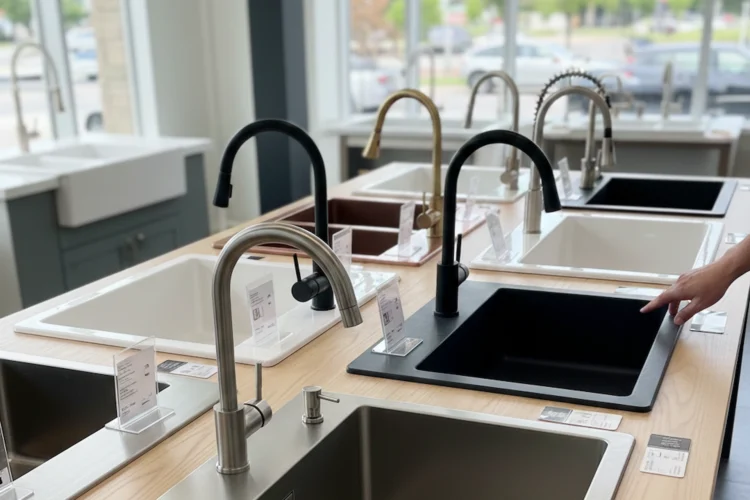
The material of your kitchen sink is a critical decision. It directly influences the sink’s durability, appearance, and maintenance requirements. Each material offers a unique set of benefits and potential drawbacks. Stainless steel provides a modern look and great resilience. Granite composite offers exceptional strength and a variety of colours. Cast iron delivers classic charm with a tough enamel finish. Fireclay presents a smooth, non-porous surface popular in farmhouse designs. Consider how each material aligns with your kitchen’s decor and your tolerance for upkeep.
Your lifestyle also plays a significant role. A busy family kitchen may need a material that resists scratches and stains. If you frequently handle heavy pots and pans, durability is essential. The right material will withstand daily use while complementing your countertops and cabinetry. Evaluating these options carefully ensures you get a sink that is both beautiful and practical for your specific needs.
Stainless Steel Sinks
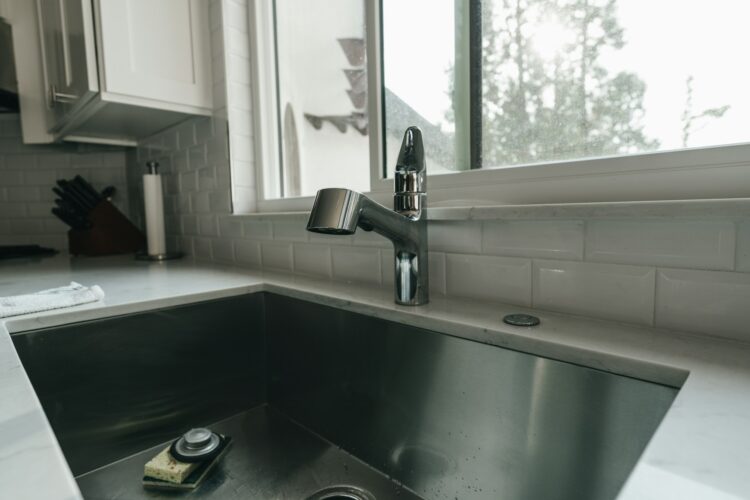
Stainless steel is the most popular kitchen sink material. It is affordable, durable, and resists heat and stains. The thickness of the steel, called gauge, determines its quality. A lower gauge number indicates thicker, more durable steel. For example, 16-gauge or 18-gauge steel is a good choice for a kitchen sink. While stainless steel is very strong, it can scratch and show water spots. Wiping it dry after use helps maintain its shine.
Granite Composite Sinks
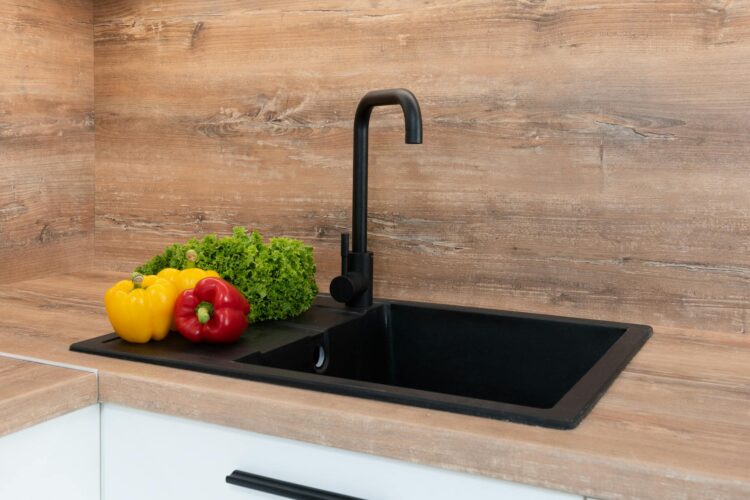
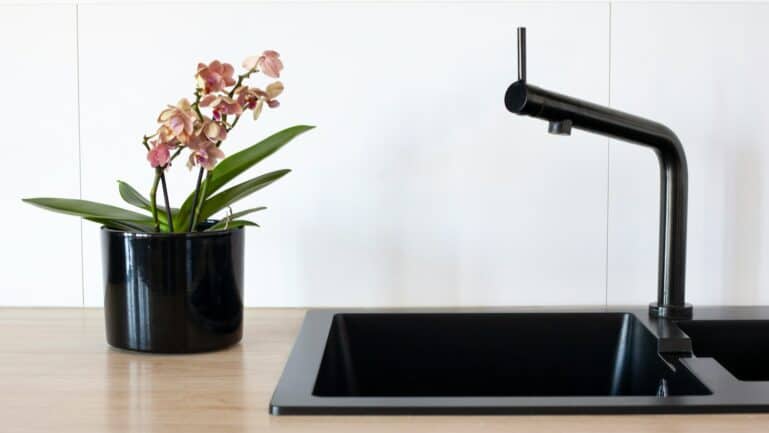
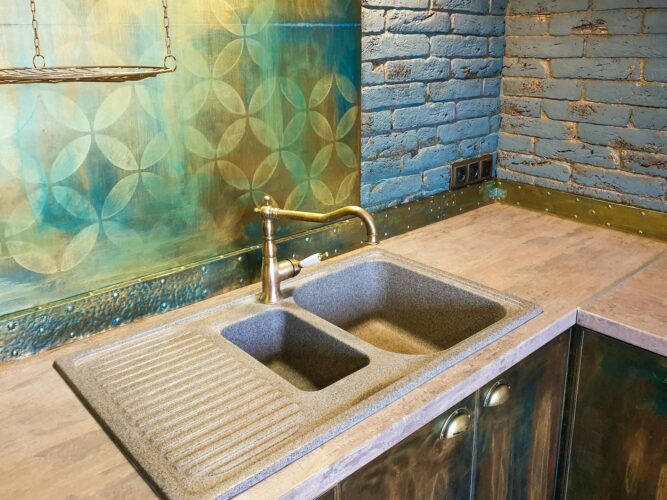
Granite composite sinks consist of crushed granite mixed with a resin binder. This creates an extremely durable and non-porous surface. These sinks resist scratches, chips, and heat. They come in a wide range of matte colours, like black, grey, and white, which can hide water spots and food residue. Granite composite sinks are heavy and may require extra support during installation. They also tend to be more expensive than stainless steel options.
Cast Iron Sinks
Cast iron sinks have a classic appeal. They are made from an iron alloy and coated with a thick layer of enamel. This enamel finish is glossy, smooth, and easy to clean. It resists staining and is available in many colours. Cast iron is exceptionally durable and maintains water temperature well. However, these sinks are very heavy, making installation more difficult. The enamel can also chip or scratch if heavy objects are dropped on it.
Fireclay Sinks
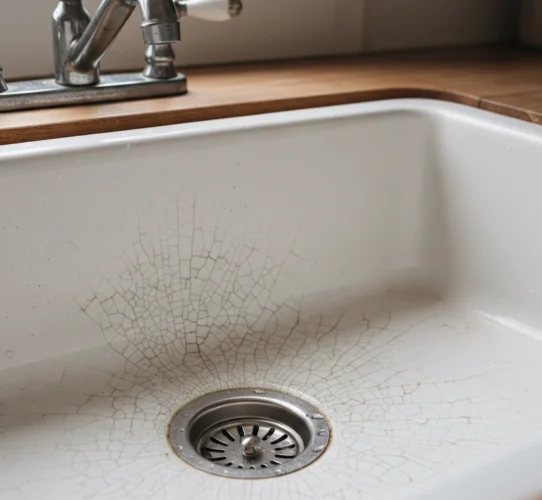
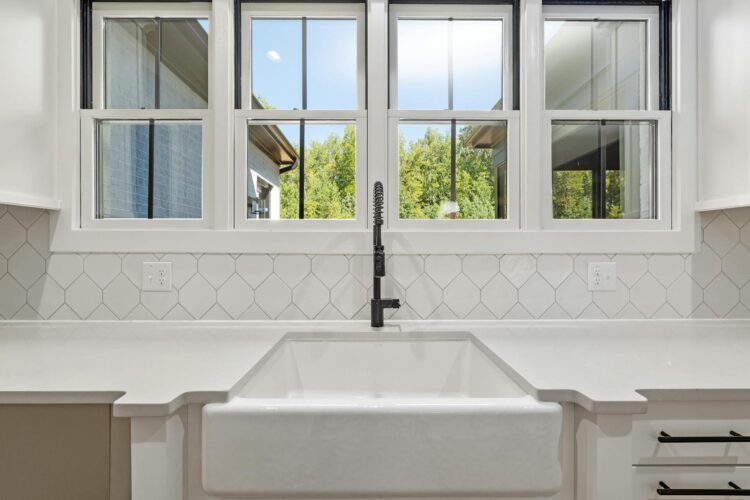
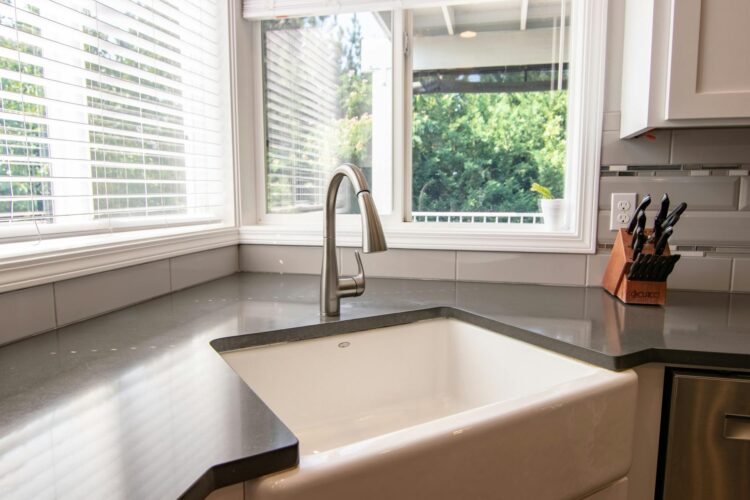
Fireclay sinks are crafted from clay fired at a very high temperature. This process fuses the clay and glaze, creating a hard, non-porous material. Fireclay is highly resistant to scratches, stains, and acids. It is a common material for farmhouse-style sinks due to its classic look and durability. Like cast iron, fireclay can chip from a severe impact, and repairs can be difficult. These sinks are also heavy and often require custom cabinetry.
Click here to read more about Blue Kitchen Refacing
Related Article: What Type of Sink Is Best for a Kitchen?
Selecting the Right Installation Type
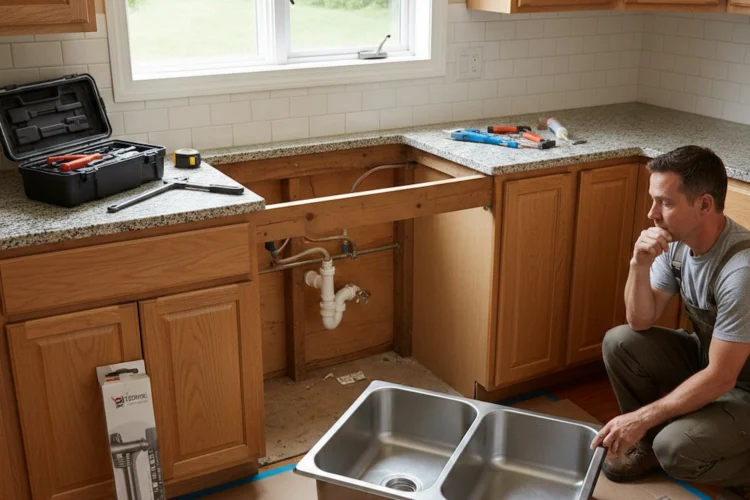
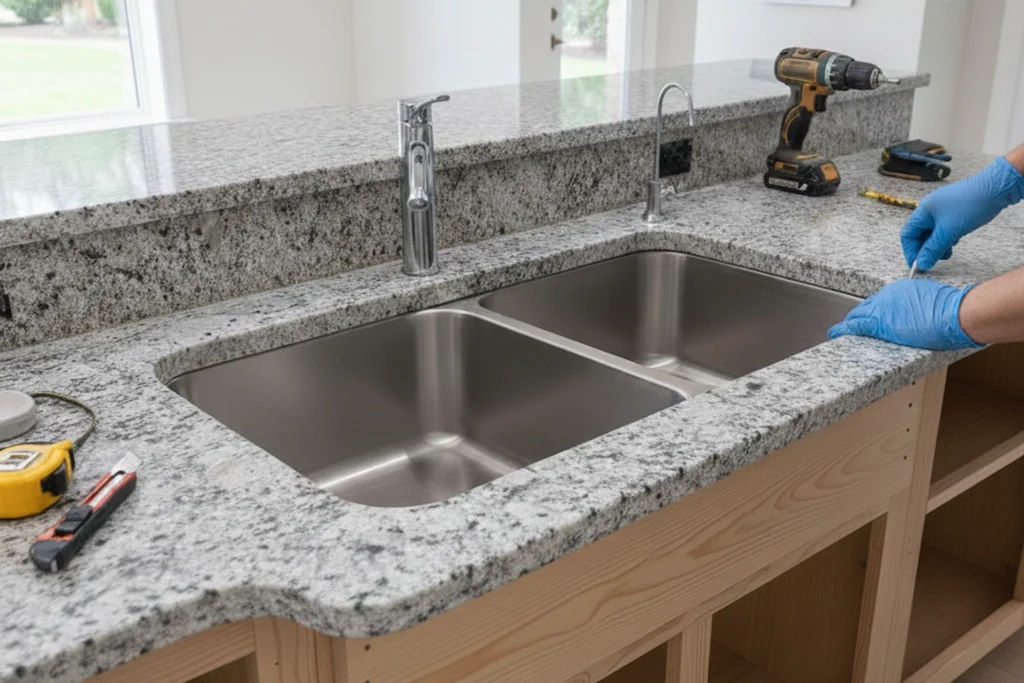
The installation type of your kitchen sink affects both its appearance and its ease of cleaning. There are two primary types: top-mount and undermount. A top-mount, or drop-in, sink is installed from above into a pre-cut hole in the countertop. The sink’s rim rests on top of the counter, supporting its weight. This installation method is straightforward and typically less expensive. It is compatible with almost any countertop material, including laminate.
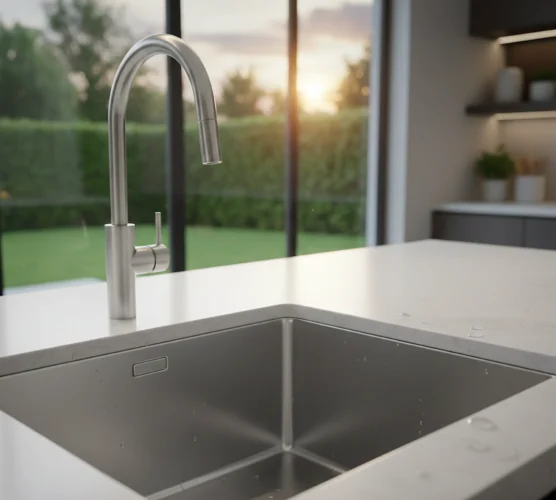
An undermount sink is installed from below the countertop. This creates a smooth, continuous flow from the counter into the sink basin. This design makes it easy to wipe crumbs and spills directly into the sink. Undermount sinks provide a clean, modern look. They require a solid surface countertop material, such as granite, quartz, or marble, to support the weight of the sink and any contents.
Undermount Sinks
Undermount sinks mount directly to the underside of the countertop. This installation creates a seamless and elegant look. The absence of a sink rim on the counter makes cleanup simple and efficient. You can sweep water and food debris straight into the basin without obstruction. This style works best with waterproof countertop materials that have a finished edge. The installation is more complex and typically costs more than a top-mount installation.
Top-Mount Sinks
Top-mount sinks are also called drop-in or self-rimming sinks. You lower them into a cutout in the countertop, and a visible rim sits on the counter surface. This rim supports the sink’s full weight. Top-mount sinks are easier and more affordable to install. They are a versatile option that works with all countertop materials. The main drawback is that the rim can trap dirt and grime, which requires regular cleaning to maintain hygiene.
Key Features and Accessories for Kitchen Sinks
Modern kitchen sinks offer a range of features and accessories that improve their functionality. These additions can transform your sink into a highly efficient workstation. Sound-dampening pads or a special coating on the underside of a sink reduce noise from running water and the garbage disposal. This feature is especially common on stainless steel sinks. When you purchase a sink, you can also add accessories that are custom-fit to its dimensions.
These accessories help you make the most of your sink area. They can add valuable workspace, protect the sink’s surface, and simplify food preparation tasks. Investing in a few key accessories creates a more organized and practical kitchen environment. Consider how you use your sink daily to decide which features and add-ons will be most beneficial for you.
-
Sink Grids
A sink grid is a metal rack that sits on the bottom of the sink basin. It protects the sink’s surface from scratches caused by pots and pans. It also allows water to drain freely even when the sink contains dishes, and you can use it as a drying rack. -
Drains and Strainers
A quality drain and strainer are essential. A basket strainer catches food particles to prevent clogs in your plumbing. Some drains have deeper strainers or special designs that integrate with garbage disposals. You can choose a finish that matches your faucet for a coordinated look. -
Cutting Boards
Custom-fit cutting boards are designed to sit securely over part or all of the sink basin. This feature effectively extends your counter space, which is very useful in small kitchens. You can chop vegetables and slide the scraps directly into the sink or garbage disposal. -
Colanders
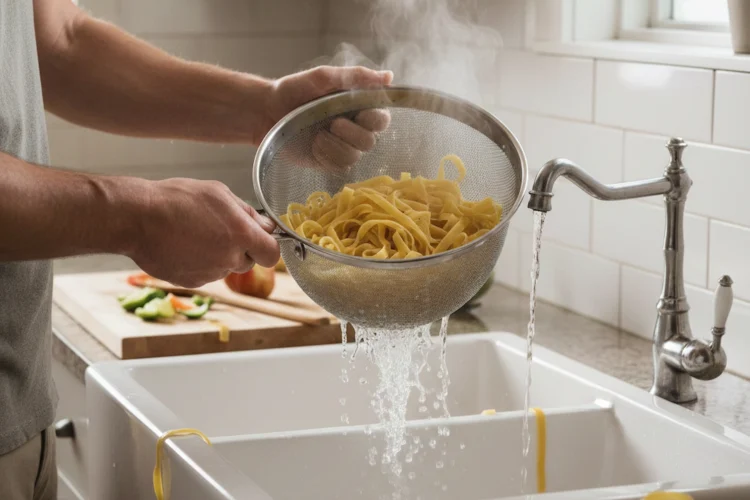
Over-the-sink colanders fit neatly across the sink basin. They are perfect for rinsing fruits and vegetables or draining pasta. Like cutting boards, they add a new layer of functionality to your sink, making food preparation more convenient and containing messes.
Maintaining Your Kitchen Sink
Proper maintenance keeps your kitchen sink looking new and extends its lifespan. The cleaning method depends on the sink’s material. Regular cleaning prevents the buildup of food stains, mineral deposits, and bacteria. A simple daily routine, such as rinsing and wiping the sink dry, can make a significant difference. For deeper cleaning, use products that are safe for your specific sink material to avoid damage.
Avoiding harsh chemicals and abrasive scrubbers is a good general rule. These can scratch or dull the sink’s finish. Understanding the unique needs of your sink’s material will help you maintain its beauty and function for many years. A well-cared-for sink contributes to a clean and inviting kitchen.
Cleaning Stainless Steel
To clean a stainless steel sink, use a soft cloth or sponge with mild soap and water. Always scrub in the direction of the steel’s grain to avoid creating small scratches. For tougher stains or water spots, you can make a paste of baking soda and water. Rinse the sink thoroughly after cleaning and wipe it dry with a microfibre cloth to prevent water spots and restore its shine.
Cleaning Composite and Fireclay
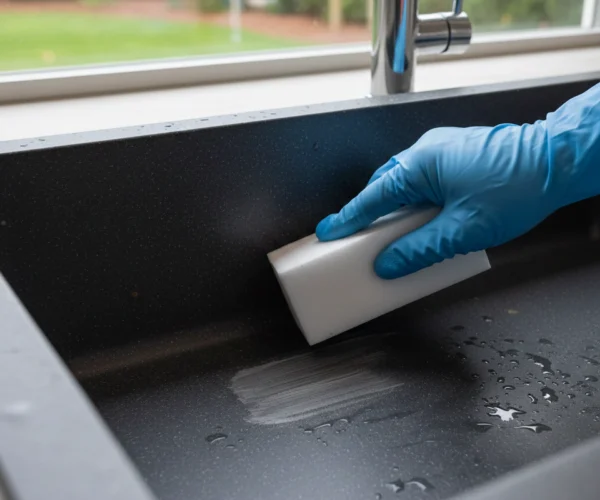
Composite and fireclay sinks are durable but require gentle care. Clean them with a non-abrasive cleaner and a soft sponge. Avoid using abrasive pads or harsh chemicals like bleach, which can damage the surface. For difficult stains, you can use a specialized composite sink cleaner or a product like Bar Keepers Friend. Always rinse well after cleaning.
Cleaning Cast Iron
The enamel coating on a cast iron sink is tough but can be chipped or scratched. Use non-abrasive liquid cleaners to protect the glossy finish. Clean the sink regularly to prevent stains from setting. Do not let acidic foods like citrus or tomatoes sit on the surface for extended periods, as they can etch the enamel. A paste of baking soda and hydrogen peroxide can gently lift stubborn stains.
Conclusion
Choosing the right kitchen sink requires you to balance several important factors. You must consider the material, configuration, installation type, and available features. Each of these elements contributes to the sink’s performance and its integration into your kitchen’s design. Think about your daily habits. Do you often wash large pots by hand? Do you need to multitask during food prep? Your answers will guide you to the best sink configuration for your needs.
The sink’s material impacts its durability, look, and the amount of maintenance it will need. Match the material to your kitchen’s style and your willingness to perform regular cleaning. Your budget will also play a role, as prices vary widely between materials and brands. Ultimately, a kitchen sink is a long-term investment. By carefully reviewing all the information about kitchen sinks, you can select a product that enhances your kitchen’s utility and appearance for years to come.
Take your time with this decision. Visit a showroom to see and touch different sinks. This can give you a better feel for the materials and sizes. A well-chosen sink makes kitchen chores more pleasant and adds lasting value to your home. It is a central piece of your kitchen, so picking one that you love is important.
Related Articles
































Blue Malue Get in touch with Blue here.