
Kitchen Cabinet Care and Durability
Kitchen cabinets are a central feature of your home’s most active room. They store your cookware, hold your food, and define the style of your kitchen. Because they endure daily use, they are subject to constant wear from spills, heat, moisture, and physical contact. Protecting this significant investment requires a proactive approach to care. Proper maintenance ensures your cabinets remain functional and beautiful for many years, preserving both their appearance and your home’s value. Learning the correct cleaning methods and protective habits can prevent premature aging, costly repairs, and potential replacements down the line.
This information covers all about kitchen cabinet maintenance & longevity. You will learn simple, effective routines for cleaning and care that fit into any schedule. We will explore how to shield your cabinetry from common kitchen hazards like humidity and direct sunlight. You will learn how to inspect and maintain essential hardware like hinges and drawer slides to keep everything operating smoothly. By adopting these straightforward practices, you can significantly extend the life of your kitchen cabinets, keeping them in excellent condition and ensuring they continue to serve your family well for a very long time.
Establishing a Routine Cleaning Schedule
Consistent cleaning is the foundation of effective cabinet care. Kitchen environments produce grease, steam, and food splatters that can accumulate on surfaces. If left unattended, this buildup becomes sticky, attracts more dirt, and can permanently damage the cabinet finish. A simple cleaning routine prevents this from happening. For daily care, wipe down cabinet surfaces with a soft, damp cloth to remove fresh spills and fingerprints. This quick action stops messes from setting in. Once a week, perform a more thorough cleaning using a mild solution of dish soap and warm water. Apply the solution with a microfibre cloth, gently scrubbing any persistent spots.
After cleaning, always dry the cabinets completely with a separate, clean cloth. Lingering moisture can seep into wood and laminates, causing swelling, discolouration, or delamination. Avoid using harsh chemical cleaners, ammonia-based products, or abrasive scouring pads. These aggressive materials can strip the protective finish, dull the colour, and scratch the surface of your cabinets. A gentle approach is always best. This regular attention keeps your cabinets looking their best and protects the material integrity for years of reliable use.
Follow this link to read more about Blue Kitchen Refacing
Related Article: Are Microfiber Cloths Better Than Sponges for Wood Veneer Cabinets?
Kitchen Cabinet Maintenance
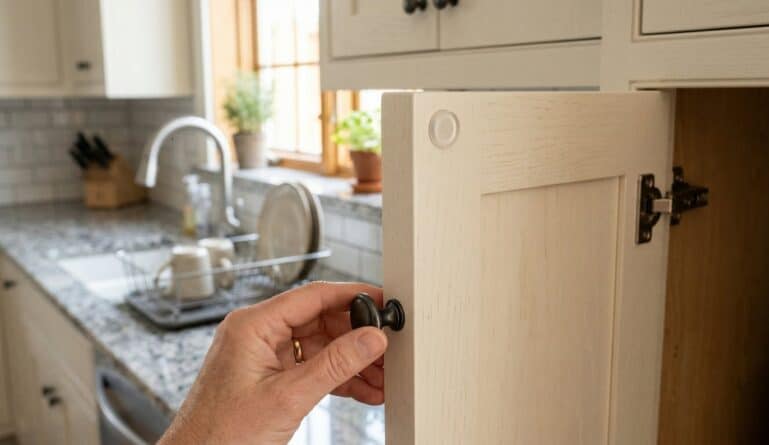
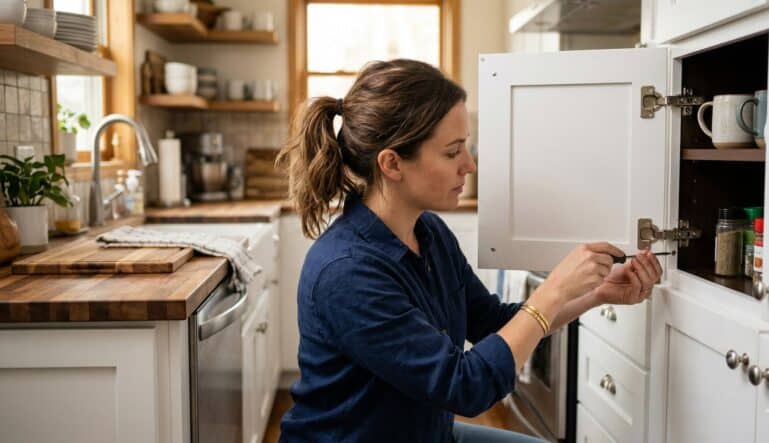
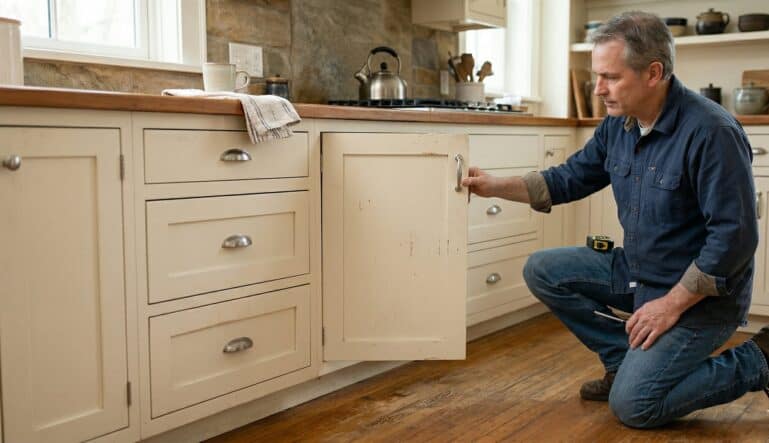
Beyond surface cleaning, the mechanical components of your cabinets require regular attention. Hardware like hinges, handles, and drawer slides are essential for proper function. Over time, the daily motion of opening and closing can cause screws to loosen. Periodically check all hinge and handle screws and tighten them with a screwdriver as needed. This simple step prevents doors from sagging and ensures they align correctly, which reduces strain on the frames. Keeping hardware secure also prevents more serious damage from occurring.
Drawer slides also benefit from occasional maintenance. Clean the tracks to remove any dust or debris that could impede smooth operation. If drawers become difficult to open or close, a small amount of an appropriate lubricant can restore their glide. Be sure to choose a product that will not attract dust or drip onto your cabinet contents. Cleaning the hardware itself should be done carefully. Use the same mild soap and water solution from your regular cleaning routine, and avoid harsh chemicals that could corrode metal finishes.
Related Article: What Household Chemicals Should You Never Use on Kitchen Cabinetry?
Related Article: Is It Safe to Use Furniture Polish on Modern Cabinet Laminates?
Handling Scratches, Dents, and Minor Repairs
Even with careful use, minor cosmetic damage like scratches and small dents can occur. Addressing these issues promptly prevents them from worsening and keeps your cabinets looking new. For superficial scratches on wood or laminate cabinets, a touch-up marker or pen is an effective solution. These products are available in a wide range of colours to match your specific finish. Simply apply the marker along the scratch to conceal it. For slightly deeper nicks or gouges, a wax filler stick can be used to fill the imperfection and level the surface.
Before applying any repair product to a visible area, always test it on an inconspicuous spot first, such as the inside of a cabinet door. This ensures the colour is a perfect match and that you are comfortable with the application method. For painted cabinets, you may be able to get a small amount of matching paint from the manufacturer for touch-ups. When dealing with significant damage, such as deep cracks or broken parts, it is best to consult a professional cabinet maker or repair specialist. They have the tools and expertise to perform a seamless repair.
Smart Habits for Preserving Your Cabinetry
The way you use your kitchen cabinets every day has a direct impact on their lifespan. Adopting a few good habits will protect them from unnecessary stress and damage. First, avoid overloading drawers and shelves. Heavy stacks of dishes or bulky appliances can strain the cabinet structure, cause shelves to bow, and put excessive pressure on drawer slides and hinges. Distribute weight evenly and store very heavy items in lower cabinets if possible. Using shelf liners is another excellent practice. Liners protect the interior surfaces from scratches, stains, and moisture from leaky containers.
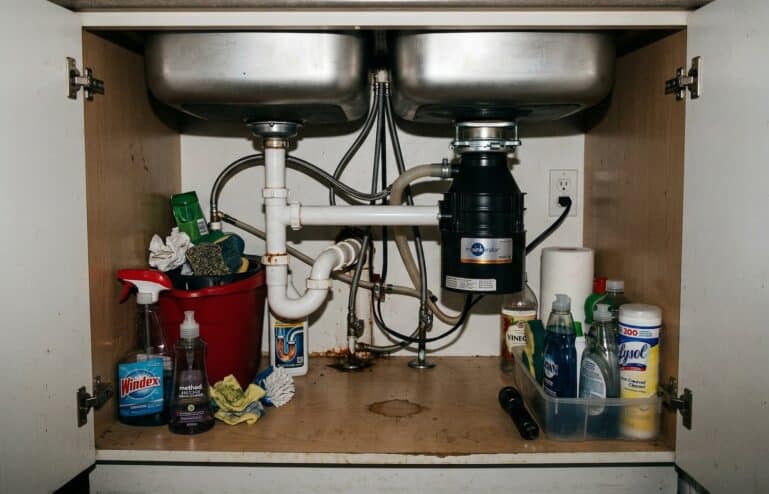
Always close cabinet doors and drawers gently instead of letting them slam shut. While many modern cabinets have soft-close mechanisms, repeated forceful impacts can still weaken the hardware and frame over time. Be mindful of moisture from sources other than cooking. For example, never hang damp dish towels over a cabinet door to dry. The prolonged exposure to moisture can damage the finish and the underlying material. Teaching all family members these simple habits ensures everyone contributes to the preservation of your kitchen.
Related Article: How Does Kitchen Humidity Affect the Lifespan of Your Cabinets?
Related Article: Can Your Toaster Oven or Kettle Actually Melt Your Cabinet Edges?
The Lasting Value of Proper Cabinet Care
Maintaining your kitchen cabinets is an ongoing process that yields significant rewards. By integrating simple tasks into your regular home care routine, you actively preserve one of your kitchen’s most important and costly elements. Consistent cleaning removes harmful grease and grime, while environmental awareness protects finishes from the damaging effects of moisture, heat, and sunlight. Regular hardware checks ensure that doors and drawers function smoothly and correctly, preventing misalignment and unnecessary strain on the cabinet boxes. These actions collectively contribute to a kitchen that not only looks clean and inviting but also operates efficiently for daily use.
A commitment to proper care is a commitment to your home’s long-term value. Well-maintained cabinets elevate the entire look and feel of your kitchen, making the space more enjoyable for you and more appealing to potential buyers in the future. The effort invested in learning all about kitchen cabinet maintenance & longevity pays off by extending the life of your cabinetry, helping you avoid the high cost and inconvenience of a premature replacement. Your kitchen is the centre of your home, and with these practices, its cabinetry can remain a source of pride and function for years to come.
Related Articles







Blue Malue Get in touch with Blue here.